As homeowners, we are all too familiar with the stress and expense of home improvement projects, and plumbing issues are no exception. The cost of professional services can often be a major source of anxiety. With the right knowledge and tools, you might be surprised to learn that some water line repairs can be done yourself, potentially saving hundreds of dollars. This article will guide you through the basics of understanding your home’s plumbing system, recognizing common water line problems, and deciding when it’s best to take the DIY approach or call in the professionals.
Table of Contents
Understanding Your Home’s Plumbing System
Diving into the world of your home’s plumbing system can feel like exploring an intricate underground network. The star of this subterranean spectacle is the main water line. This is the key artery that channels water from your local municipality’s source, powering everything from your morning shower to your nightly dishwasher cycle. This essential pipe, often crafted from hardy materials like copper or PVC, can be discreetly tucked away beneath the soil in your yard or subtly threaded through your home’s interior walls.
Imagine this pipe as a vital lifeline, supplying water at the turn of a tap. However, like any lifeline, it’s not immune to hiccups. Breaks or leaks in this line could translate into a spectrum of issues, from the minor inconvenience of reduced water pressure to more serious water damage. Understanding your home’s plumbing system is like having a map of this water network – it can empower you to navigate and possibly even fix minor glitches before they evolve into costly catastrophes.
Recognizing Common Water Line Problems
Imagine you’re a detective on the hunt for signs of water line mischief. The prime suspects? An unexpected dive in water pressure, water that seems a little more coffee-colored than crystal clear, or a water bill that has rocketed skyward for no discernible reason. These could all be telltale signs of water line problems.
Or perhaps you’ve stumbled upon a miniature oasis in your yard, or damp patches are materializing on your walls, ceilings, or floors. These too could be breadcrumbs leading to a leaky water line. When these clues present themselves, don’t ignore them! Like a detective on a case, act swiftly. Fast action can mean the difference between minor repairs and a major, wallet-draining disaster.
Always remember, the first step in the fight against water line problems is recognizing the enemy. Keep your detective hat handy and your eyes wide open for these common signs.
The Essential Tools for DIY Water Line Repairs
Embarking on the DIY water line repair journey requires a toolkit filled with some specialized essentials. You wouldn’t head out on a wilderness adventure without a reliable compass, right? Similarly, a few key items will guide you safely through this home repair expedition.
One essential tool is a pipe cutter, the trusty sidekick you need to tailor pipes to the correct size. Armed with wrenches of various sizes, you’ll be equipped to tighten or loosen parts of your plumbing system with ease.
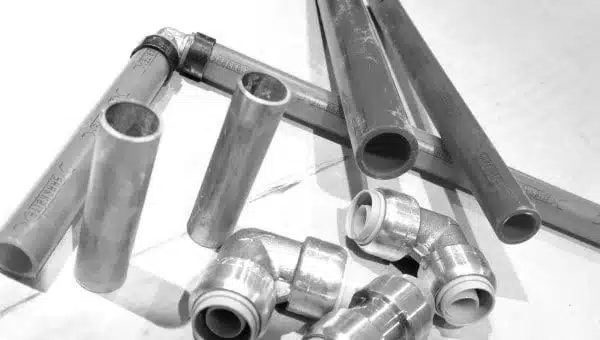
Next up are pipe fittings. These are crucial puzzle pieces that help connect different parts of your system together, creating a watertight seal. Paired with teflon tape, a thin yet powerful adhesive that prevents leaks, your pipe connections will be as secure as a bank vault.
Got a clog playing hide and seek within your pipes? A pipe snake or drain auger will be your eyes and hands in those hard-to-reach spots, helping you clear out any stubborn blockages.
Lastly, remember to shield your pipes from the chilly clutches of winter with pipe insulation. This protective gear can prevent your pipes from freezing and bursting, saving you from future headaches and hefty repair bills.
Keep in mind, these tools are the supporting actors in your DIY journey. The star? Your understanding of how to use these tools effectively. Having the right tools in your toolkit is one thing, but knowing how to wield them is a different ball game. So, as you assemble your toolkit, make sure you’re also equipped with knowledge. Happy DIY-ing!
The Cost-Benefit Analysis of DIY vs. Professional Repairs
When weighing the option of strapping on your tool belt for a DIY repair or dialing up the pros, it’s essential to perform a cost-benefit analysis. Picture it as the scales of justice – on one side, you have the potential savings of DIY, while on the other side, you have the cost of professional services.
DIY repairs can significantly lighten the load on your wallet, especially for minor repairs. Say goodbye to that pesky dripping faucet or finally conquer that persistent clog, all without emptying your bank account. You may even feel a sense of accomplishment for mastering these minor plumbing issues yourself!
However, don’t let the dollar signs blind you to potential pitfalls. Larger or more complex issues may necessitate the skills and expertise of a seasoned plumber. When the DIY approach goes awry, it can result in even greater damage. That DIY savings could swiftly transform into a more substantial bill than initially anticipated.
It’s not just about dollars and cents, though. Factor in the time commitment and effort required for DIY repairs. Ask yourself if you have the bandwidth or desire to embark on this adventure. If the task ahead feels more daunting than doable or you’re uncertain about your abilities, it might be worth reaching into your pocket to bring in the pros.
Ultimately, this cost-benefit analysis comes down to a personal decision. It’s a delicate dance between saving money and ensuring the job is done right. Remember, while DIY can be rewarding and budget-friendly for minor repairs, don’t hesitate to enlist professional help when the situation calls for it. A keen understanding of your capabilities and limits can ensure that your plumbing problems are resolved effectively without draining your bank account.
When to Call in the Professionals
Sure, embarking on a DIY water line repair can be thrilling, and the prospect of saving a few bucks is always appealing. However, there are instances when it’s more prudent to hang up your tool belt and dial up the pros. It’s about recognizing when you’re outmatched and need the reinforcements of professional expertise.
Picture this: your water line is grievously wounded, buried in the depths of your yard, or hiding behind the fortress of a wall. In such scenarios, plumbers are like experienced miners equipped with the precise tools and knowledge to navigate these treacherous terrains safely and efficiently. They’ve mastered the art of plumbing repair through years of experience and can tackle these tricky tasks with ease.
Also, if you’ve given the DIY route a shot and the water line problems persist like uninvited guests, it’s a glaring neon sign that it’s time to bring in the experts. It’s not a defeat, but rather an intelligent decision. Sometimes, the bravest choice is knowing when to call for backup.
So, while your newfound DIY skills can tackle minor hiccups, remember that certain issues require a professional touch. In the end, it’s all about striking the perfect balance between self-reliance and seeking professional help when necessary. Remember, a healthy home is a happy home, and knowing when to call in the professionals is part of that equation.
FAQs
How can I tell if my main water line is leaking?
Hissing, whistling, and bubbling sounds emanating from the pipes could indicate a broken water line. Gurgling or pounding noises in your pipes could indicate a water line leak. A broken water pipe can often be difficult to detect.
What should I do if my water supply line leaks?
Turn off the water supply to the leaky pipes and clean the area surrounding the hole to be fixed. Using a metal file, soften any sharp edges that may cut through the patch. Apply the patch and repair clamp so that they evenly overlay the damaged portion of pipe. Tighten the clamps to stop the leak.
Can I fix a water supply line leak?
Repairing a water line may appear to be a difficult task, but it is feasible with the proper equipment and knowledge. The first step is to identify the source of the problem and shut down the water supply. The broken part of the pipe will then need to be taken out and replaced with a new one.
How long does it take to mend a leaking pipe?
In average, a simple burst pipe repair can take a few hours, however more sophisticated repairs can take a day or more. It is preferable to contact a professional plumber who can examine the condition and provide an approximate repair timeline.
Conclusion
Finding a trustworthy plumber is important, but so is ensuring that the service they provide is top-notch. We are a family-owned business that takes great pleasure in offering individualized service by using plumbers with extensive backgrounds in both new construction and repair. All of our work is up to par with industry standards, and we still keep our prices low since we’re dedicated to perfection. You may have faith in Clovis Plumbing Services to complete any project to your satisfaction.