Bathroom Plumbing Remodeling Services
Professional bathroom plumbing upgrades designed to support modern fixtures, improve water flow, and ensure code-compliant, long-term reliability during your remodel.From $2,500
Final pricing depends on the scope of the remodel, number of fixtures, pipe modifications or replacements, wall and slab access, permits, and coordination with other trades.
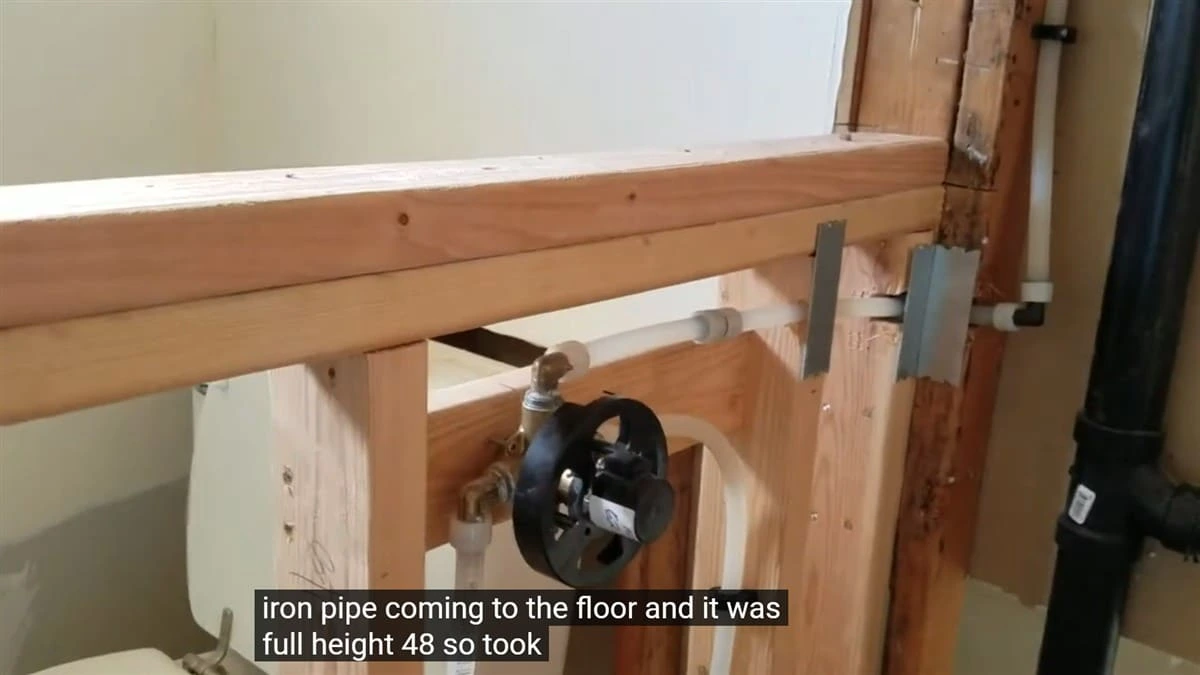
- Fixture Relocation Planning: Evaluate sink, toilet, tub, and shower placement early to ensure proper clearances, correct drain alignment, and efficient water supply routing before walls and floors are closed.
- Drain and Vent Updates: Verify correct pipe slope, vent connections, and flow capacity so the system drains properly and avoids slow drains, odors, or future backups.
- Water Supply Upgrades: Review pipe sizing, pressure balance, and aging supply lines to support modern fixtures and consistent performance throughout the bathroom.
- Shower and Tub Conversions: Coordinate plumbing changes for walk-in showers, tub replacements, or combo units to ensure proper drainage, valve placement, and leak protection.
- Code and Permit Alignment: Confirm all plumbing work meets local code requirements and is properly permitted to avoid inspection delays or costly corrections.
- Future-Use Considerations: Plan for accessibility options, resale appeal, and potential changes in household needs so the remodel remains functional long term.
- On-Site Evaluation: We assess your current footprint, drainage capacity, venting requirements, and fixture placement to ensure your dream layout works.
- Detailed Plumbing Roadmap: We map out pipe routing, valve locations, and waterproofing requirements, selecting the best materials for longevity.
- Code-Compliant Installation: From rough-in to finish, we install everything to current Clovis building codes and manufacturer specifications.
- Call or Book Online: We schedule a convenient consultation to discuss your vision—often available for same-day site visits.
- Upfront Estimate: You receive a transparent quote covering the full scope of the plumbing work before we ever break tile.
| This is one of the best men I’ve had the honor of meeting and very much appreciate all of his help in this situation that has caused me many sleepless nights. I can now rest much easier with Tod’s help. I could not possibly recommend anyone higher than Tod and Clovis Plumbing Services. This is a man you can trust 100%. He will be my plumber until the day he retires. Thank you very much for all your help, Tod. Awesome work. Five stars is not nearly enough. A solid gold star is what is needed for gentleman like this! |
David V.
A successful bathroom remodel starts with plumbing that is planned correctly from the beginning. From evaluating existing pipes to coordinating fixture placement and code requirements, professional guidance helps prevent costly changes later. If you are considering a bathroom remodel or weighing next steps, our licensed plumbers can review your plans, answer questions, and help you understand what your space requires before work begins.
Table of Contents
Recognizing the Right Time for a Remodel
Most homeowners begin thinking about a remodel because of aesthetics—they want a more modern look or more storage. However, the best time to remodel is often dictated by the health of your pipes. If you are constantly calling a plumber for small repairs, it may be more cost-effective to overhaul the system at once rather than paying for dozens of service calls over several years.
One of the first things to consider is how long it has been since your bathroom saw a professional update. Pipes have a lifespan. Galvanized steel pipes, common in older Clovis homes built before the 1960s, eventually corrode from the inside out, leading to low water pressure and “rusty” smelling water. Even copper and PVC have their limits when joints begin to fail or the original installation wasn’t up to modern standards.
If you aren’t sure if your issues are cosmetic or structural, it helps to look for the signs your bathroom plumbing needs an overhaul before you start picking out paint colors or marble slabs.
Common Red Flags in the Central Valley
- Persistent Leaks: Small drips behind walls can lead to significant mold growth, especially in our warm, often humid California summers.
- Slow Drainage: This often indicates a venting issue or a collapsed pipe rather than just a simple hair clog.
- Odd Noises: Banging (water hammer) or gurgling sounds in the walls are signs that the plumbing system is struggling with pressure or airflow.
- Discolored Water: Brownish or yellowish water is a definitive sign of internal pipe corrosion.
Exploring Modern Design and Functionality
A bathroom remodel isn’t just about fixing what’s broken; it’s about creating a space that works for your lifestyle. Today’s trends focus on a blend of luxury and sustainability. In Clovis, where water conservation is always a priority, modern fixtures can significantly reduce your monthly utility bills without sacrificing performance.
We are seeing a shift toward “wet rooms,” where the shower and tub are in the same waterproofed area, and “floating” vanities that make a small bathroom feel much larger. High-tech additions like digital shower controllers, heated floors, and bidet attachments are also becoming standard in local renovations.
When planning your aesthetic, it is helpful to look at timeless bathroom plumbing trends that will ensure your home stays stylish and functional for decades rather than just a few years.
Sustainability in Clovis
Because Clovis residents often face water restrictions during drought cycles, we recommend focusing on water-saving technology:
- High-Efficiency Toilets (HET): Modern designs use significantly less water per flush (1.28 gallons or less) while providing better clearing power than old 3.5-gallon models.
- Low-Flow Aerators: These maintain high pressure in your faucets while using 30% less water.
- Tankless Water Heaters: These provide endless hot water and are much more energy-efficient than traditional tanks, which is a major plus for larger Clovis families.
How Layout Decisions Affect Plumbing Scope and Cost
The most expensive part of a bathroom remodel is often “moving the wet wall.” This refers to the wall where the main water supply and waste lines are located. If you keep your toilet, shower, and sink in their current positions, you save a significant amount on labor and materials because the “rough-in” plumbing is already mostly in place.
However, sometimes the original layout of the home just doesn’t work for modern life. Maybe the toilet is tucked into an awkward corner, or you want to expand the shower by taking space from a closet. In these cases, you have to decide if the cost of moving the pipes is worth the improved flow of the room. Moving a drain, particularly a toilet drain, involves cutting into the subfloor or even the concrete slab, which is a major undertaking that requires precision.
If you are considering changing the footprint of your fixtures, you should read about the logistics of moving plumbing in a bathroom to understand how it impacts your timeline and budget.
The Importance of the “Wet Wall”
- Back-to-Back Bathrooms: Many Clovis homes are designed with bathrooms sharing a wall to centralize the plumbing. Moving one can affect the other.
- Stacking: In two-story homes, bathrooms are often placed directly above each other to simplify the drainage stack. Moving a second-floor bathroom can require significant ceiling repairs on the first floor.
- Venting: Every fixture needs air to drain properly. Moving a fixture too far from the main vent stack can cause “siphoning,” where the water is sucked out of your P-traps, allowing sewer gas into the home.
To ensure your new space is both beautiful and functional, consult the “bathroom plumbing layout basics for remodel planning” that details the necessary clearances and pipe diameters required for a smooth-running system.
Navigating Local Codes, Permits, and Inspections
In the City of Clovis, plumbing work isn’t just about making sure things don’t leak; it’s about safety and legal compliance. Any major remodel requires a permit from the city’s building department. This ensures that the work meets the California Plumbing Code, which protects the city’s water supply and your family’s health.
For example, Clovis has specific requirements for “trap arms” and venting to ensure sewer gases don’t enter your home. There are also strict rules regarding the type of piping materials allowed and the installation of “scald-guard” valves in showers to prevent accidental burns, particularly important for homes with children or seniors.
Navigating these regulations can be daunting for a homeowner. It is vital to understand the building codes and permits in Clovis CA before you begin demolition. Working without a permit can lead to fines, forced removal of new work, and may even complicate the sale of your home in the future.
Why Local Expertise Matters
Clovis has unique soil conditions and water hardness levels. Hard water can lead to mineral buildup (scale) in your pipes over time. A local expert knows how to select materials that stand up to our local water chemistry and how to install systems that handle the specific drainage challenges of Central Valley terrain, such as flat lots that require precise pipe sloping to maintain gravity-fed drainage.
Choosing the Right Fixtures and Materials
Once the “rough-in” plumbing is planned, you get to choose the “finish” plumbing. This includes your faucets, showerheads, toilets, and tubs. While it is tempting to buy the cheapest option at a big-box store, professional-grade fixtures often have internal components (like solid brass valves or ceramic cartridges) that last much longer and are easier to repair than plastic alternatives.
Materials also matter for your supply lines. While PEX (cross-linked polyethylene) has become the gold standard for its flexibility and resistance to scale, copper is still preferred by some for its longevity and natural antimicrobial properties.
Material Comparisons
- PEX: Easy to install, resists scale, but cannot be used outdoors or in direct UV light.
- Copper: Durable and traditional, but more expensive and susceptible to “pinhole leaks” if the water acidity changes.
- PVC/CPVC: Common for drains and vents, but restricted in some areas for hot water supply.
Choosing the right components requires balancing your budget with your long-term goals. You can find more detail on choosing the right fixtures for your remodel to help you distinguish between high-fashion items and high-quality investments.
DIY vs. Professional Installation
With the rise of online tutorials, many homeowners feel tempted to tackle a bathroom remodel themselves. For minor tasks like swapping a faucet or replacing a showerhead, DIY is often a great way to save money. However, when it comes to the “behind-the-wall” work, the stakes are much higher.
A mistake in the plumbing can lead to a slow leak that goes unnoticed for months, eventually causing thousands of dollars in structural rot and mold damage. Furthermore, plumbing requires specialized tools—like PEX crimpers, pipe cutters, and torches—that the average homeowner doesn’t own.
Before you pick up a wrench, consider the DIY vs professional plumbing remodeling debate. Hiring a professional provides peace of mind, a warranty on the work, and the assurance that the project will be finished on schedule.
When to Call a Pro
- Slab Work: If you have to jackhammer your concrete floor to move a drain.
- Main Line Changes: Alterations to the main waste stack.
- Gas Lines: If you are moving a gas-powered water heater or adding a gas fireplace to a master suite.
- Permit Inspections: Most cities require a licensed professional to sign off on major work to ensure it meets health and safety codes.
Overcoming Structural and Technical Challenges
Every remodel has its “surprises.” In older Clovis neighborhoods, we often find outdated materials like Orangeburg pipe (tar-paper pipe) or lead bends that must be replaced immediately for safety. You might also encounter “creative” plumbing done by previous owners that doesn’t meet current safety standards.
Solving these issues requires a mix of engineering and experience. Whether it’s dealing with limited space in a crawlspace or rerouting pipes around a structural load-bearing beam, technical hurdles are a standard part of the process.
If your home has a history of leaks or unusual architecture, you may be solving complex plumbing issues in Clovis CA during your renovation. Addressing these problems during the “walls-open” phase is much cheaper than fixing them later after you’ve already installed expensive tile.
Common Structural Hurdles
- Joist Interference: Sometimes the perfect spot for a toilet drain is exactly where a floor joist sits.
- Inadequate Venting: Older homes often have vents that are too small for modern, high-flow fixtures.
- Low Water Pressure: If you add a “rain” showerhead but have 1/2-inch supply lines, you may be disappointed with the performance.
What the Plumbing Portion of a Bathroom Remodel Typically Includes
The plumbing phase of a bathroom remodel follows a predictable sequence that supports the finished space without disrupting the rest of the home. While each project varies based on layout, age of the home, and scope of changes, the core plumbing work generally focuses on preparing the system to safely support new fixtures, drainage demands, and code requirements.
This portion of the remodel typically includes evaluating existing supply, drain, and vent lines; opening walls or floors where needed; completing rough-in plumbing for relocated or upgraded fixtures; and coordinating required inspections before surfaces are closed. Pressure testing, leak checks, and verification of proper venting are also standard steps to ensure long-term reliability before finish materials are installed.
Rather than documenting every step in detail, this section is intended to help homeowners understand what happens during the plumbing phase and why sequencing matters when coordinating with tile, electrical, and finish work.
For a step-by-step breakdown of each phase—from rough-in through final fixture installation—see: Plumbing Remodel Process From Rough to Finish
Budgeting for Your Bathroom Project
Budget is usually the biggest concern for homeowners. In Clovis, the cost of a plumbing remodel can vary wildly based on the size of the room and the quality of the fixtures. It is important to set aside a contingency fund (usually 10-15%) for those unexpected issues—like hidden wood rot—that appear once the walls are opened.
Labor is a significant portion of the cost, but it is also the most important investment. Quality plumbing work prevents future disasters. When you are planning your finances, refer to our bathroom plumbing remodeling cost guide to get a realistic idea of current local pricing for materials and professional services.
Where to Save vs. Where to Splurge
- Splurge on Valves: The “mixing valve” inside your shower wall is hard to replace. Buy the best one you can afford.
- Splurge on Toilets: A cheap toilet will clog more often and use more water.
- Save on Finish: You can always upgrade a faucet handle or a towel bar later, as these are easy to swap out.
- Save on Tile: Sometimes a simpler tile pattern saves significantly on labor costs without sacrificing the look.
Specialized Considerations for Clovis Homes
Hard Water Challenges
The Central Valley is known for “hard” water, which contains high levels of calcium and magnesium. During a remodel, we often find that old pipes are 50% blocked by mineral scale. To protect your new investment, we highly recommend:
- Whole-House Filtration: Protects your new faucets from spotting and internal damage.
- Water Softeners: Prevents scale buildup inside your new tankless water heater or high-end shower valves.
Climate and Seasonal Prep
While Clovis doesn’t see the freezing temperatures of the Midwest, we do get occasional overnight freezes in the winter. During a remodel, it’s important to ensure that any plumbing run through exterior walls is properly insulated to prevent pipe bursts and to maintain hot water temperature as it travels from the heater to the bathroom.
How to Evaluate the Payoff of a Plumbing Remodel
Bathroom plumbing remodeling is not just a cosmetic upgrade—it is a structural investment that affects home value, inspection outcomes, and long-term reliability. Before judging whether a remodel is “worth it,” homeowners should evaluate where the payoff actually comes from, not just the finished look.
The biggest returns typically come from reducing hidden risk. Aging supply lines, undersized drains, poor venting, and outdated materials can quietly undermine a home’s value by triggering inspection issues, insurance concerns, or buyer hesitation. Addressing these problems during a remodel improves system performance, lowers the chance of future water damage, and reduces deferred-maintenance deductions during resale.
Payoff is also influenced by scope alignment. Projects that coordinate plumbing upgrades with layout changes and fixture selections tend to deliver stronger long-term value than surface-level updates that leave old infrastructure in place. In markets like Clovis, where buyers expect move-in-ready homes, properly planned plumbing work supports both daily usability and marketability.
Rather than focusing only on upfront cost, homeowners should consider how plumbing decisions affect resale confidence, inspection results, and future repair exposure over the next 10–20 years. See the full breakdown: Is Bathroom Plumbing Remodeling Worth It for Clovis Homes?
Maintenance for Your New Bathroom
Once your remodel is complete, you want to protect your investment for the next 20 to 30 years. Maintenance is the key to longevity.
- Avoid Chemical Cleaners: Harsh, store-bought drain cleaners can eat away at the rubber seals in your new plumbing and damage certain types of metal pipes. Use mechanical methods (like a zip-tool) or enzyme-based cleaners instead.
- Check the Caulk: Keep an eye on the seals around your tub and shower. If water gets behind the tile, it can damage the plumbing and the home’s structure.
- Flush the Water Heater: If you have a tank-style heater, flush it annually to remove the sediment common in Clovis water.
Final Thoughts on Your Remodel
A bathroom remodel is a journey that transforms one of the most important rooms in your home. By focusing on quality plumbing first, you ensure your new oasis is not only beautiful, but also safe, efficient, and built to last. A beautiful bathroom that leaks is a liability; a well-plumbed bathroom is an asset.
At the heart of every great Clovis home is a plumbing system that works silently and reliably. Whether you’re in the early stages of imagining a new master suite in a custom home near Copper River or preparing to tear out old tile in a classic 70s ranch house, having the right information—and the right professionals—makes all the difference. Our Google Business Profile is a helpful place to explore real customer reviews, see examples of our work, and learn how we support homeowners through every phase of the remodeling process.
Professional plumbing isn’t just about pipes; it’s about protecting your home and providing your family with a clean, functional, and healthy environment. By following the steps in this guide and using the resources we’ve provided—including the insights available on our Google Business Profile—you’ll be well prepared for a smooth, successful bathroom transformation.
Frequently Asked Questions
What work is included in a full bathroom plumbing remodel?
A full bathroom plumbing remodel involves replacing aging water supply lines, drains, and valves as fixtures are updated. Outdated or corroded piping is removed and modern, code-compliant materials are installed. Shutoff valves, venting, and drain slopes are corrected to current standards. This work improves system reliability, reduces leak risk, and properly supports new tubs, showers, toilets, and vanities during planned renovations.
Do older homes need plumbing upgrades before bathroom remodeling?
Yes. Many older homes require plumbing upgrades before new fixtures are installed. Drain sizing, vent placement, and shutoff access are evaluated and corrected as needed. In Clovis, CA, remodels often include replacing outdated pipe materials and bringing plumbing layouts into code compliance. These upgrades help prevent slow drains, sewer odors, and concealed leaks behind finished walls.
Are plumbing permits required for bathroom remodeling projects?
Plumbing permits are typically required to ensure remodeling work meets safety and building standards. Permits cover water supply lines, drain connections, venting, and fixture placement. Inspections verify approved materials, proper pressure testing, and leak-free joints. This process helps protect homeowners and confirms the plumbing system is safe before walls and floors are closed.
Can bathroom plumbing changes affect water pressure elsewhere?
Water pressure issues are often caused by undersized or corroded supply lines. During a remodel, plumbers install correctly sized piping and modern shutoff valves to improve flow. Old restrictions are removed, allowing fixtures to operate efficiently. Pressure in other areas of the home remains stable while the remodeled bathroom receives consistent, balanced water delivery.
What pipe materials are typically used in bathroom remodels?
Most bathroom remodel plumbing uses copper, PEX, or PVC materials. Water supply lines are commonly installed using copper or PEX, while drain and vent systems typically use PVC or ABS. In Clovis, CA, these modern materials replace galvanized steel and aging cast iron, providing corrosion resistance, pressure stability, and long-term durability behind finished surfaces.
How is shower and tub plumbing handled during remodeling?
Shower and tub plumbing includes water supply lines, mixing valves, drains, and venting. Valves are positioned to maintain stable temperatures and safe operation. Drain assemblies are aligned for proper slope and efficient water removal, while venting prevents gurgling and trap siphoning. These components work together to ensure comfort, safety, and reliable drainage.
How long does bathroom plumbing remodeling usually take?
Bathroom plumbing remodel work typically takes several days to complete. The process includes demolition support, rough-in installation, required inspections, and final fixture connections. In Clovis, CA, timelines depend on local inspection schedules and approved plans. Once inspections pass, fixtures are installed and tested to confirm proper flow, drainage, and temperature control.
What hidden plumbing issues are often found during remodels?
Once walls or floors are opened, hidden plumbing issues are often discovered. Common findings include corroded pipes, improper venting, and incorrect drain slopes. These issues are addressed during the remodel to meet current standards. Correcting them helps prevent future leaks, backups, and costly repairs after finishes are installed.