- High-Capacity Fuel Delivery: Proper installation ensures your gas lines are sized correctly—such as upgrading to a 3/4-inch line—to meet the high BTU demands of powerful appliances like tankless water heaters.
- Stress-Free Compliance: Every installation is completed in strict accordance with the California Plumbing Code and City of Clovis Building Division guidelines, ensuring your home meets all local safety and permit standards.
- Safe and Reliable Operation: Precision connections and professional routing prevent fuel starvation and hazards, providing the consistent pressure necessary for your system to operate effectively under varying usage conditions.
- Versatile Energy Solutions: A professional gas line setup allows you to take advantage of high-efficiency gas appliances, which generally offer higher flow rates for larger families and lower operating costs compared to many electric alternatives.
- Long-Term Performance: By using code-compliant materials like stainless steel or approved piping, your new gas lines are built to provide reliable service for decades to come.
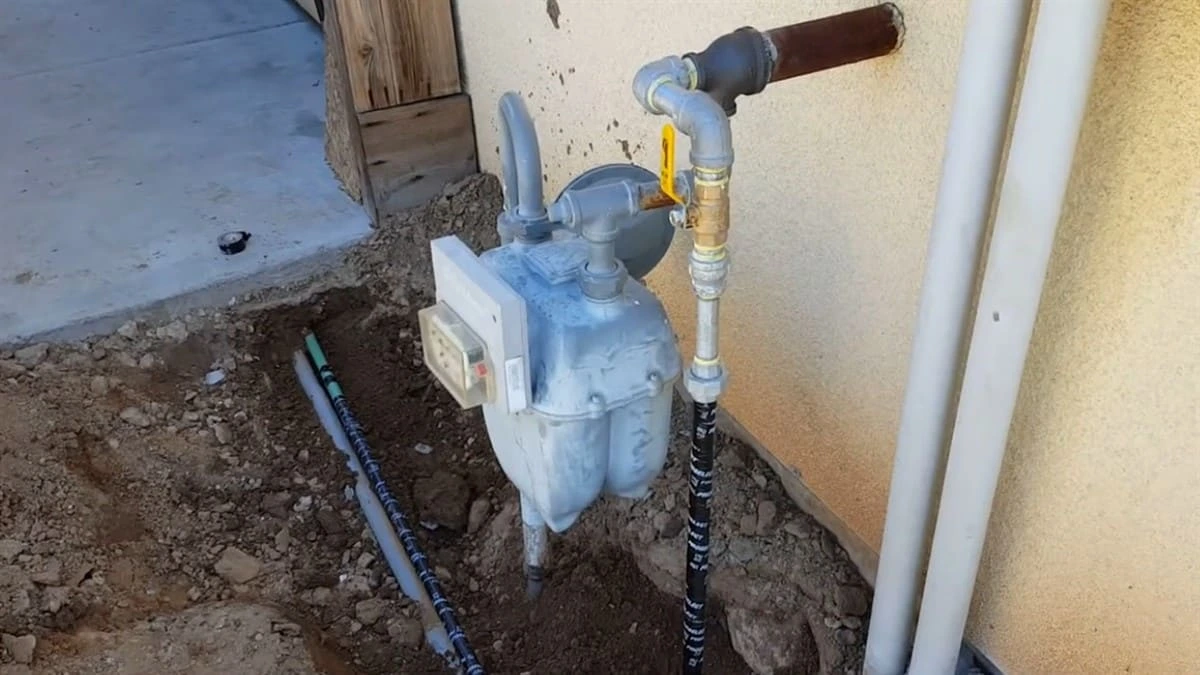
- Appliance-Specific Sizing: We ensure your new lines are sized correctly, such as upgrading from a standard 1/2-inch to a 3/4-inch line to meet the 199,000 BTU demand of high-capacity tankless heaters.
- Code-Compliant Venting & Routing: Our technicians manage specialized venting requirements and precise routing to ensure combustion gases are exhausted safely according to the California Plumbing Code.
- Professional Retrofitting: We specialize in adapting the infrastructure of older homes, including those in the Old Town area, to handle the high energy bursts required by modern gas appliances.
- Precision Gas Connections: Using service valves and high-grade materials, we establish secure connections that provide the consistent fuel pressure needed to prevent error codes or fluctuating temperatures.
- Safety & Leak Testing: Every installation is commissioned and calibrated to ensure safe operation, meeting the strict standards of the City of Clovis Building Division.
- Utility Coordination & Permits: We handle the necessary plumbing permits and ensure all work aligns with local safety requirements and earthquake strapping standards.
| I just got off the phone with Todd. I’m in need of some plumbing services but unfortunately I’m out of their service area. However, without getting into the details of the call, he was amazing. Not only did he answer every question but he was thorough and elaborated on a couple of different scenarios which to someone with no experience, is extremely valuable. He didn’t have to do any of this; I appreciate it and i believe it shows a lot about their character and mission. Give them a call and see for yourself. |
Frank M.
See our latest 5-star reviews and project photos on our Google Business Profile.
Table of Contents
Introduction to Gas Line Installations in Clovis CA
Gas lines power the essential appliances that keep your home comfortable and functional—hot water heaters, kitchen ranges, furnaces, fireplaces, clothes dryers, and outdoor features like BBQs and fire pits. Because natural gas is efficient but highly combustible, gas line work leaves no room for mistakes. A safe installation involves far more than simply running a pipe from point A to point B.
Every project requires precise pipe sizing based on appliance demand, careful routing to protect the line from damage, approved materials rated for gas service, and properly placed shutoff valves for safety. In most cases, permits and inspections are also required to verify the system meets local building and fuel gas codes. Pressure testing is performed before gas is introduced to confirm the line is completely leak-free.
This guide breaks down how gas line installation works, why professional installation is critical, and the key considerations Clovis homeowners should understand before beginning a gas line project.
How Gas Line Installation Works
A residential gas line system is a carefully designed network of pipes that safely delivers natural gas, or propane where applicable, to the appliances throughout your home. Proper installation is not simply about connecting a line; it requires planning, precision, and adherence to safety standards to ensure reliable operation under real-world demand.
Every correct installation begins with accurate sizing based on total BTU load. The gas line must be capable of supplying sufficient fuel to all appliances that may operate at the same time without pressure loss or performance issues. In addition, safe routing and properly placed shutoff valves are critical. Lines must be installed in accordance with code, using approved fittings and accessible shutoffs that allow the system to be isolated quickly when needed.
Code compliance and inspection readiness are also essential components of a professional installation. Most new gas lines and significant system modifications require permits and formal inspections before service can be approved. Finally, pressure testing is performed to verify the integrity of the system. The gas piping must hold test pressure without loss before it is placed into service, confirming that the installation is safe, secure, and ready for long-term use.
Pro Tip: If your home is older or you’re adding a high-demand appliance (like a tankless water heater or pool heater), a sizing review is essential before any work begins.
Why Professional Installation Matters
Professional gas line installation is essential for safety, performance, and long-term reliability throughout your home. When gas piping is installed correctly, proper connections, code-compliant shutoff valves, and verified pressure testing work together to reduce the risk of leaks and help ensure the system operates safely from day one.
Correct line sizing is equally important. Gas lines that are undersized can lead to weak burner flames, ignition problems, or unexpected appliance shutdowns under load. A properly designed system delivers consistent gas flow, allowing appliances to operate as intended while avoiding performance issues that can shorten their lifespan.
Code compliance and inspection readiness also play a critical role. Professional installation ensures local permit requirements are met, which helps prevent inspection delays and protects your home’s value. With the right gas flow and installation standards in place, appliances run more reliably and are less likely to experience issues that could affect manufacturer warranties.
Many homeowners also choose gas for its efficiency and performance advantages. Properly installed gas systems support clean, efficient energy use while delivering strong, dependable operation for both indoor and outdoor appliances.
Clovis Permits, Inspections, and Local Factors
Clovis homeowners should plan for several practical considerations that can influence both the cost and timeline of a gas line project. Most new gas line installations or major modifications require permits and inspections to ensure the work meets local safety and building standards, which can add coordination time to the overall schedule. Requirements are typically guided by the City of Clovis Building Division, where permitting helps verify proper installation, inspection, and code compliance.
In many homes, especially older properties, existing gas piping may not be suitable for expansion. Previous modifications, aging materials, or corrosion can require partial upgrades before new lines can be safely added. In addition, outdoor living features such as fire pits, built-in barbecues, and pool heaters are especially common throughout the Central Valley and often require dedicated gas lines designed specifically for their load and usage.
Utility and meter capacity is another important factor. Some projects require confirming that the existing gas meter can support additional appliances, or that the system is properly sized for future expansion. Utility-side components and service capacity are typically addressed in accordance with PG&E Gas Safety, while interior piping and extensions are completed by a licensed contractor. If you are planning a remodel or adding multiple gas-powered appliances, a professional load calculation helps avoid undersized lines, inspection issues, and costly rework later in the project.
Common Gas Line Installations for Your Home
Below are the most common reasons homeowners request gas line installation. Each project has different sizing, pressure, and routing requirements based on the appliance and home layout. Proper planning ensures safe operation, code compliance, and reliable performance for kitchens, outdoor features, fireplaces, and other residential gas-powered upgrades.
Gas Lines for Custom Outdoor Fire Pits
A custom outdoor fire pit supplied by a permanent gas line offers consistent performance and long-term convenience compared to portable propane systems. With a direct gas connection, the fire pit is always ready to use, eliminating tank refills, storage concerns, and pressure drops as fuel levels change. This makes permanent gas lines a practical choice for homeowners who regularly use outdoor living spaces or design patios as permanent gathering areas.
Proper gas line sizing is essential for safe operation and flame quality. Fire pits are built to operate within specific BTU ranges based on burner size and design. An undersized line can cause weak flames, uneven burn patterns, or ignition issues. Oversized or poorly regulated lines can create unsafe flow conditions. Correct sizing delivers stable gas pressure, smooth ignition, and a steady, visually appealing flame.
Installation planning also includes safe routing and accessible shutoff placement. Outdoor gas lines must use approved materials and be protected from weather, landscaping activity, and physical damage. Underground lines require proper burial depth, while exposed piping must meet clearance and support standards. Permits and inspections are commonly required to confirm compliance with fuel gas and building codes.
Additional details on proper planning and installation are covered in this guide on gas line installation for outdoor fire pits.
Professional Gas Range & Stove Line Connections
Gas ranges and stoves require precise installation to ensure safe operation and consistent performance. A proper gas line connection begins with accurate pipe sizing based on the appliance’s BTU rating. When a line is undersized, burners may produce weak or uneven flames, experience delayed ignition, or struggle to maintain heat. Oversized or improperly regulated connections can also create unsafe operating conditions. Correct sizing delivers stable gas pressure and reliable burner output during everyday cooking.
Shutoff valve placement is a key safety requirement for gas stove installations. The shutoff must be easily accessible and located in the same room as the appliance so the gas supply can be quickly turned off for servicing or emergencies. Approved flexible connectors must be used and installed without twisting, kinking, or excessive tension. All fittings and joints must meet current fuel gas code standards to prevent leaks and ensure long-term reliability.
Ventilation planning is another essential part of gas range connections. Proper airflow supports clean combustion and helps manage heat, moisture, and byproducts generated during cooking. Clearances around the stove must follow manufacturer specifications and building code requirements to reduce fire risk and protect surrounding surfaces. Permits and inspections are commonly required to confirm compliance and safe installation.
Additional details are covered in this guide on installing a gas line for kitchen stoves and ranges.
Gas Line Hookups for BBQ Grills & Outdoor Kitchens
Outdoor kitchens with built-in grills and cooking appliances require carefully planned gas line hookups to ensure safe and consistent operation. Unlike a single appliance connection, outdoor kitchens often include multiple gas-powered features such as grills, side burners, pizza ovens, and warming drawers. When these appliances operate together, the combined BTU demand can be significant and must be properly accounted for during installation.
Long gas line runs are common with outdoor kitchens, especially when the cooking area is located far from the gas meter. If the pipe diameter is undersized for the distance and total load, gas pressure can drop, resulting in weak flames, slow heating, or uneven burner performance. Proper planning ensures the line is sized to deliver stable pressure to every appliance, even during peak use.
Installation also requires attention to routing, materials, and safety controls. Outdoor gas lines must use approved piping and be protected from weather exposure, landscaping activity, and physical damage. Shutoff valves must remain accessible for maintenance and emergency use.
More detailed planning considerations are outlined in this guide on gas line hookups for BBQ grills and outdoor kitchens.
Safe Gas Log & Fireplace Line Routing
Fireplaces require precise gas line routing, accessible shutoff controls, and thoughtful safety planning to ensure reliable and hazard-free operation—particularly for indoor installations.
Gas lines must be routed along approved paths that reduce exposure to heat, vibration, and physical damage. Poorly supported piping, tight bends, or lines placed too close to firebox components can degrade over time, increasing the risk of leaks. Just as important is shutoff access. Valves should be easy to reach without tools, furniture movement, or contact with hot surfaces, allowing the gas supply to be shut off quickly during emergencies or maintenance.
Indoor fireplaces demand additional care. Adequate clearances, proper materials, and compliance with local codes help prevent gas buildup and carbon monoxide hazards. Line routing should also anticipate future service needs, allowing inspections and repairs without unnecessary wall or floor removal.
Whether installing new gas logs or upgrading an existing fireplace, smart planning protects both the appliance and the home. In Safe Gas Log & Fireplace Line Routing, we explain why proper gas line design is a critical part of any gas log or fireplace project, not just a technical afterthought.
Gas Dryer Installations and Conversions
Gas dryers deliver efficient performance, but safe operation depends on correct installation. A secure gas connection, an accessible shutoff valve, and proper venting are all essential for protecting both the appliance and the home. In Gas Dryer Installations and Conversions, we explain why these requirements should never be overlooked.
The gas supply line must be properly sized and routed to prevent stress, vibration, or exposure to heat. Approved flexible connectors should be used and installed without sharp bends or tension. Equally important is the shutoff valve location. It should be easy to reach without pulling the dryer away from the wall, allowing the gas supply to be turned off quickly during maintenance or emergencies.
Venting plays a critical role in gas dryer safety. Because gas dryers produce combustion byproducts, the vent system must exhaust air outdoors using code-approved materials and correct duct length. Poor vent design can reduce efficiency and create serious safety risks.
When converting from an electric dryer to gas, careful planning is required to confirm gas capacity and code compliance. Professional gas line installation for clothes dryers supports safe, reliable, and long-term operation.
Gas Line Upgrades for Tankless Water Heaters
Tankless water heaters deliver on-demand hot water and improved energy efficiency, but they also place much higher demands on a home’s gas system than traditional tank-style heaters. Because these units fire at full capacity whenever hot water is needed, they typically require significantly higher BTU input.
A properly sized gas line ensures the unit receives enough fuel without pressure drops that can reduce performance or trigger shutdowns. Undersized piping may lead to fluctuating water temperatures, ignition issues, or added strain on other gas appliances in the home. Dedicated lines are often recommended to isolate the tankless system and maintain stable gas flow during peak demand.
Installation planning also involves routing, shutoff access, and compliance with local codes. The shutoff valve must be accessible, and the line must be installed using approved materials and clearances. Gas Line Installation for Tankless Water Heaters highlights how professional assessment and proper sizing are essential for maximizing efficiency, reliability, and long-term safety.
Underground Gas Lines for Pool Heaters and Spas
Pool heaters and spas are often among the highest BTU appliances on a property, which means they place significant demand on the gas supply system. To operate safely and efficiently, these units frequently require dedicated, properly sized underground gas lines.
Underground gas lines must be sized to handle peak BTU loads without causing pressure drops that can reduce heater performance or affect other gas appliances. Trenching depth, pipe material, and corrosion protection all play a role in long-term reliability. Proper routing is equally important, ensuring the line avoids structural foundations, electrical systems, and areas prone to future excavation.
Shutoff placement is another critical safety consideration. Valves should be installed in accessible locations near the appliance, allowing the gas supply to be turned off quickly for maintenance or emergencies. Local code compliance is essential throughout the process.
Underground Gas Lines for Pool Heaters and Spas highlights how professional installation helps ensure safe operation, consistent heating performance, and peace of mind for pool and spa owners.
Gas Lines for Standby Home Generators
Standby home generators depend on a steady, uninterrupted fuel supply to perform when you need them most. During a power outage, the generator may run continuously for extended periods, making correct gas line sizing and routing essential.
Because generators are high-demand appliances, undersized gas lines can lead to pressure drops that cause hard starts, reduced output, or unexpected shutdowns. In some cases, an improperly sized line can also affect other gas appliances operating at the same time. Dedicated gas lines are often recommended to ensure consistent fuel delivery during peak load conditions.
Installation also requires attention to routing, shutoff access, and code compliance. Gas lines must be protected from physical damage, installed with approved materials, and routed to allow for future servicing. Shutoff valves should be accessible so the fuel supply can be quickly controlled during maintenance or emergencies.
Gas Lines for Standby Home Generators highlights how professional sizing and installation help ensure dependable performance, safety, and peace of mind during power outages.
Professional Recommendation and Next Steps
At Clovis Plumbing Services, we understand that gas line installation requires careful planning from the beginning. Proper sizing, routing, appliance demand, shutoff placement, and existing system capacity all need to be evaluated together so the finished installation can provide safe, reliable gas service for the home.
Whether you are adding a gas range, fireplace, dryer, outdoor appliance, tankless water heater, pool heater, or standby generator, the right installation starts with understanding the requirements of the appliance and the existing gas system. Clovis Plumbing Services provides professional gas line installation in Clovis, CA, with attention to proper sizing, code compliance, testing, and long-term performance.
FAQs: Gas Line Installation
Does a new gas line installation require a permit?
Permit requirements depend on the scope of the project and the requirements of the local building authority. New gas piping and significant modifications commonly require permits and inspections. For projects in Clovis, the applicable requirements should be confirmed with the City of Clovis Building Division before work begins.
What materials are commonly used for residential gas lines?
Residential gas piping may use approved materials such as black steel pipe, corrugated stainless steel tubing (CSST), or other materials permitted for the particular installation. The appropriate material depends on where the line is installed, how it is routed, local code requirements, and the specifications of the gas system and connected appliance.
Can a gas line be installed for an outdoor grill, fire pit, or patio appliance?
Yes. Gas lines can be installed for outdoor appliances and features such as built-in grills, fire pits, and other permanently connected gas equipment. The line must be properly sized for the appliance demand and installed with appropriate materials, routing, protection, and shutoff controls for the specific application.
Does a gas dryer always need a new dedicated gas line?
Not necessarily. An existing gas supply may be suitable if it is properly sized, appropriately located, and capable of supporting the dryer along with the other connected gas appliances. When converting from an electric dryer or when the existing gas system is inadequate, additional or modified gas piping may be necessary.
How is a newly installed gas line tested?
Gas piping is tested before being placed into service to verify the integrity of the installation and check for leakage. The required test procedure, pressure, duration, and inspection requirements depend on the applicable code and local authority requirements for the project.
Can a gas line be installed for a fireplace or outdoor fire pit?
Yes. Gas piping can be installed for fireplaces, gas logs, and outdoor fire pits when the system is properly designed for the appliance or burner. Line sizing, routing, shutoff placement, materials, appliance requirements, and applicable code provisions all need to be considered as part of the installation.