- Drain & Vent Planning for Secondary Sink Locations: Wet bars installed away from the main kitchen often require careful drain slope and vent routing to help prevent slow drainage, sewer odors, or recurring performance issues.
- Water Line Routing Based on Home Access Conditions: Plumbing routes are planned around attic access, crawlspaces, slab construction, and finished wall limitations to reduce unnecessary disruption during installation.
- Professional Rough-In Alignment With Cabinet Layouts: Supply and drain connections are positioned to align correctly with cabinetry, sink placement, and countertop dimensions before finish materials are installed.
- Evaluation of Existing Plumbing System Capacity: Nearby water and drainage systems are assessed before installation to determine whether modifications are needed to support the additional fixture load.
- Code-Conscious Installation for Remodels & Additions: Wet bar plumbing installations are completed with attention to California Plumbing Code requirements involving venting, trap configuration, drainage, and accessible service connections where required.
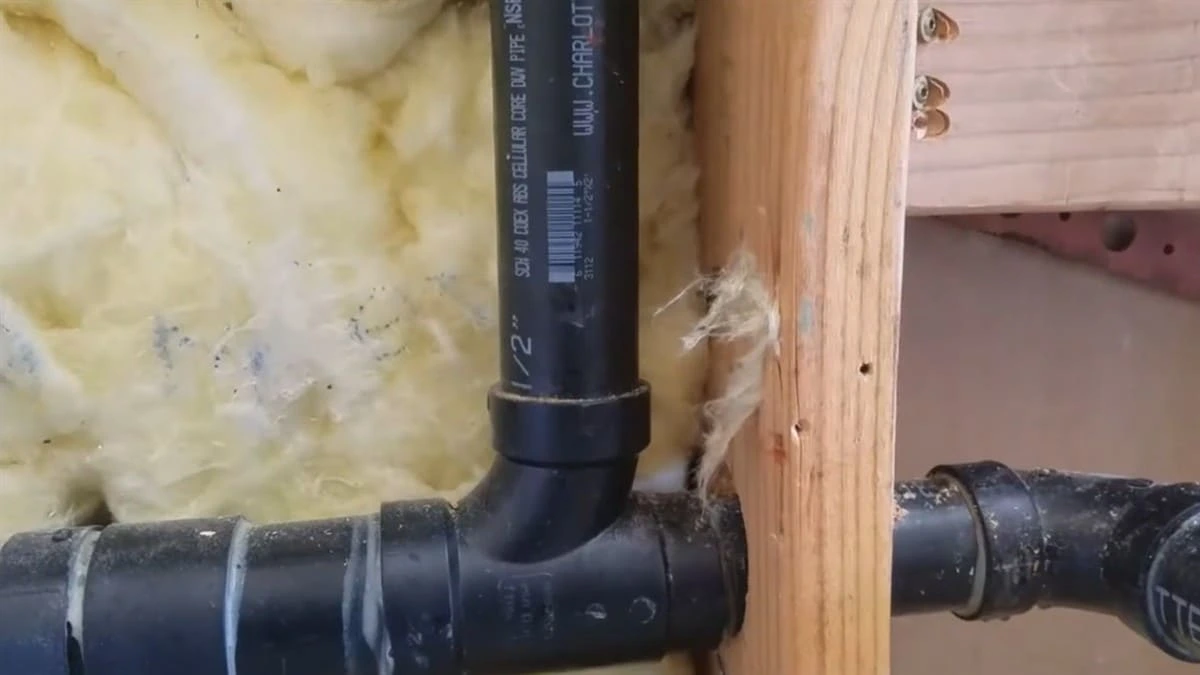
- Wet Bar Sink Plumbing Installation: Wet bar sink installations involve properly configured drain, vent, and water supply connections designed for dependable operation within entertainment or guest areas.
- Water Line Extensions for New Bar Areas: Hot and cold water lines are extended through walls, attics, crawlspaces, or slab-adjacent spaces to supply new wet bar fixtures.
- Ice Maker & Beverage Appliance Connections: Wet bar plumbing may include dedicated water supply connections for ice makers, beverage refrigerators, or filtration systems requiring accessible shutoff control.
- Wet Bar Plumbing for Converted Living Spaces: Garage conversions, bonus rooms, ADUs, and entertainment areas may require new plumbing extensions integrated into the home’s existing system layout.
- Replacement of Outdated Wet Bar Plumbing: Older wet bar plumbing systems with improper drainage, aging supply lines, or poor venting configurations can be updated during remodeling projects.
| Tod is as good as his word. You can take that to the bank. He does great work and was a complete joy to work with from start to finish. We could not be happier with his work. I would recommend Clovis Plumbing any day of the week. |
Patrick M.
See our latest 5-star reviews and project photos on our Google Business Profile.
Table of Contents
Introduction
Wet bar additions often become part of larger remodeling projects where homeowners are converting unused square footage into more functional gathering areas. Unlike basic fixture replacements, these projects usually involve evaluating cabinet placement, framing access, nearby drain elevations, and appliance clearances before rough plumbing work begins. Plumbing installations performed in California are generally expected to follow standards outlined within the California Plumbing Code, while local permitting and inspection requirements may involve the City of Clovis Building Division.
Many wet bar projects involve installation conditions that are not immediately visible during early design planning. Existing pipe locations, structural framing, finished wall access, and fixture spacing can all affect how the plumbing system ultimately needs to be configured behind the completed cabinetry. Some Clovis homes provide relatively direct routing pathways through attic or crawlspace areas, while others require more careful planning because of slab construction, limited access points, or previous remodeling work hidden behind finished surfaces.
Common Signs This Service Is Needed
Many homeowners begin considering a wet bar installation after repeatedly relying on the kitchen sink during gatherings or outdoor entertaining. Carrying glassware, ice buckets, and drink preparation supplies back and forth across the home often becomes inconvenient once a room starts functioning as a dedicated entertainment area.
In some Clovis homes, remodeling projects expose opportunities to extend plumbing while walls or flooring are already open. A converted garage, game room, or backyard addition may already sit near existing drain or water line access, making it practical to add a secondary sink during the renovation process. Homeowners planning larger remodels sometimes coordinate these projects alongside kitchen plumbing layout changes so fixture locations and water distribution can be planned together.
Older wet bars may also show signs that the original plumbing was never configured correctly. Slow drainage, sewer odors, inaccessible shutoff valves, undersized piping, or improper venting are common conditions discovered during remodeling work. In some cases, previous installations were tied into nearby drains without proper slope or vent protection, creating recurring drainage problems that eventually require correction.
Local Factors That Affect This Service in Clovis
Construction style plays a major role in how wet bar plumbing is installed throughout the Clovis area. Many homes in newer neighborhoods are built on slab foundations, which can limit how easily new drainage lines are routed to the nearest branch connection. Depending on fixture location, routing a new drain line may involve opening walls, modifying cabinetry layouts, or carefully planning around post-tension slab restrictions.
Raised-foundation homes often provide easier access beneath the structure, but crawlspace conditions can still vary considerably. Tight clearance, existing HVAC ducting, or older pipe materials sometimes affect where new supply and drainage lines can realistically be installed. Homes with aging galvanized piping may require additional upgrades before extending plumbing into a newly remodeled entertainment area.
Water quality throughout the Central Valley also influences fixture planning. Mineral buildup commonly affects smaller bar faucets and shutoff valves that are not used every day. During installation planning, many homeowners choose upgraded valves or more durable fixture components similar to those commonly installed during plumbing pipe repair projects involving aging residential supply systems.
What This Service Typically Addresses
Wet bar plumbing projects commonly involve creating new fixture access in portions of the home that were not originally designed for sink installation. This may include modifying nearby branch lines, extending fixture drains, adding shutoff access, or coordinating rough plumbing placement around custom cabinet layouts before finish materials are installed.
Some installations also involve accommodating additional components beyond the sink itself. Beverage stations, undercounter refrigerators, filtration systems, and ice makers may each require separate planning for supply connections, valve accessibility, and surrounding service clearances during the rough-in phase.
Remodeling work frequently uncovers older plumbing conditions hidden behind walls or beneath cabinets. Previous additions sometimes contain abandoned piping, outdated valves, unstrapped drains, or inaccessible connections left from earlier renovations. Addressing these conditions during construction can help reduce the likelihood of future service access problems after the surrounding finishes are complete.
What to Expect During a Service Visit
The first step usually involves evaluating the planned wet bar location alongside nearby plumbing access points. Water supply routing, drain elevation, vent tie-in opportunities, and framing access are reviewed before any cutting or rough-in work begins. In finished homes, minimizing unnecessary drywall or flooring disruption often becomes part of the installation strategy.
Once the plumbing route is established, supply lines and drain piping are installed through approved wall, attic, crawlspace, or underfloor paths. Depending on the home layout, portions of framing or cabinetry areas may need to remain open temporarily while piping is pressure tested and inspected.
Fixture rough-ins are positioned carefully around cabinet dimensions and sink placement before countertops are installed. Attention to these dimensions helps avoid conflicts later when sinks, faucets, appliance openings, or stone surfaces are fitted during the finish phase of the remodel.
Before completion, the system is tested for proper drainage flow, secure water connections, and vent performance. The final inspection process may also involve verifying that accessible shutoff valves, trap configuration, and drainage routing meet current plumbing requirements.
Cost Factors That Can Change the Final Price
Wet bar plumbing installation costs can vary significantly depending on how far the new sink location is from the nearest drain and water supply connections. Projects located directly behind an existing kitchen or bathroom wall are often less involved than installations positioned across large living spaces or detached entertainment areas.
Foundation type also affects labor requirements. Raised foundations may provide accessible routing beneath the structure, while slab homes sometimes require more extensive planning to accommodate drainage slope and piping transitions. Finished wall conditions, tile flooring, cabinetry removal, and limited attic access can all influence installation complexity.
Fixture selection may additionally affect final pricing. Ice makers, prep sinks, filtration systems, beverage stations, and specialty faucets can require additional shutoff valves or dedicated supply connections. Some homeowners also combine these projects with water line replacement work when older supply piping is already showing signs of wear or restricted flow.
Repair vs. Replacement
Not every wet bar project involves brand-new plumbing installation. Some homes already contain older bar sink plumbing that no longer drains correctly or was installed long before current code standards were adopted. In these situations, the decision often comes down to whether isolated repairs will realistically correct the underlying layout issues.
Minor updates may involve replacing shutoff valves, correcting trap assemblies, or repairing leaking drain connections hidden beneath cabinetry. However, more extensive remodeling projects often reveal larger problems involving undersized venting, improper drain slope, or aging piping materials that continue causing recurring performance issues.
When cabinetry, countertops, or surrounding finishes are already being replaced, many homeowners choose to update the rough plumbing completely rather than leave older hidden piping behind the walls. This approach is especially common in entertainment areas where future access may become difficult after the remodel is complete.
Access, Timing, and Household Disruption
Most wet bar plumbing projects can be completed with relatively limited disruption compared to full kitchen remodels, although access conditions still influence the overall schedule. Installations inside finished homes may involve temporary wall openings, attic entry, crawlspace work, or limited flooring removal depending on the routing path.
Projects tied into nearby plumbing systems are often completed more quickly than installations requiring long drain runs across the home. Cabinet delivery schedules, countertop fabrication timelines, and permit inspections can also affect how the work is phased during larger remodeling projects.
Homes with occupied living areas near the installation zone may experience temporary water shutoffs while new supply lines are tied into the existing plumbing system. Most interruptions are brief, but scheduling coordination becomes especially important when the wet bar is part of a larger home renovation.
When Professional Evaluation Matters
Wet bar plumbing may appear straightforward on the surface, but improper venting, poor drain planning, or inaccessible shutoff placement can create long-term issues hidden behind finished walls. Some installations initially appear functional until slow drainage, odors, or moisture problems develop months later after the area is fully completed.
Professional evaluation becomes particularly important when the sink location is far from existing plumbing infrastructure or when the project involves slab construction. Drain slope calculations, vent tie-ins, and fixture load planning often determine whether the installation will perform reliably over time.
Homes with older copper, galvanized, or mixed-material piping may also benefit from evaluating the surrounding plumbing system before new fixtures are added. Extending water lines into a remodeled entertainment space sometimes exposes conditions that should be addressed before the new installation is enclosed permanently.
Why Experience and Licensing Matter
Wet bar plumbing installations require more than simply connecting pipes beneath a cabinet. Secondary sink locations often involve hidden routing challenges, structural limitations, and drainage calculations that only become obvious once walls or floors are opened during construction.
Clovis Plumbing Services operates as a father-and-daughter team handling residential plumbing work directly rather than outsourcing installations to rotating subcontractors or large production crews. The company brings more than 50 years of combined trades experience, including over 40 years in plumbing and 10 years of journeyman-level field work across residential systems throughout the Central Valley.
All plumbing work is performed under California Contractor License C-36 Plumbing #1014216 with $2,000,000 General Liability coverage and active Workers’ Compensation insurance. Proper licensing and insurance become especially important during remodeling work involving concealed plumbing systems behind finished cabinetry and walls.
When to Schedule Service Confidently
Planning wet bar plumbing early in the remodeling process usually provides the greatest flexibility for routing drain lines, positioning shutoff valves, and coordinating rough plumbing around cabinetry layouts. Waiting until countertops or finish materials are already installed can significantly limit access and increase labor complexity.
Homeowners preparing for a remodel, converting underused living space, or updating an older entertainment area often benefit from evaluating plumbing access before construction progresses too far. Identifying drain and vent limitations early helps avoid layout revisions later after framing, cabinetry, or flooring decisions have already been finalized.
If you are planning a wet bar installation in Clovis or surrounding Central Valley communities, scheduling an on-site plumbing evaluation can help determine the most practical routing approach for your home’s existing plumbing system and structural layout.
Frequently Asked Questions
How far can a wet bar be from existing plumbing?
Wet bars can often be installed a considerable distance from existing plumbing, but drain slope, vent access, and framing conditions usually determine what routing methods are realistic. Homes with slab foundations or limited attic access may require more involved planning to connect the new sink location properly to the home’s existing drainage and water supply system.
Do wet bar sinks require venting in California homes?
Yes, wet bar sinks generally require proper venting to help protect trap seals and support dependable drainage performance. California plumbing standards typically require approved vent configurations so sewer gases do not enter the living space and wastewater flows correctly through the connected drain system during normal fixture use.
Can wet bar plumbing be added during remodeling?
Many wet bar plumbing installations are completed during remodeling projects because walls, flooring, and cabinetry areas are already accessible. Coordinating plumbing rough-ins during construction often allows drain lines, vent routing, and water supply extensions to be installed more efficiently before finish materials are completed.
What piping materials are used for wet bar plumbing?
Wet bar plumbing installations commonly involve PEX, copper, ABS, or PVC piping depending on the home’s existing plumbing system and local code requirements. Material selection is usually based on accessibility, compatibility with nearby plumbing, fixture demand, and the routing conditions present inside the home.
Will a wet bar installation require wall removal?
Some wet bar plumbing projects require limited drywall or cabinet access so supply and drain lines can be routed properly behind the finished surfaces. The amount of wall removal usually depends on the distance from existing plumbing connections, framing layout, and whether the home has attic or crawlspace accessibility.
Can older wet bar plumbing systems be upgraded?
Older wet bar plumbing systems can often be upgraded during remodeling projects when aging drains, shutoff valves, venting problems, or outdated supply lines are discovered. Updating the concealed plumbing during renovation work is commonly recommended before new cabinetry, countertops, and finish materials are installed.