- Accurate Leak Isolation – Repair planning starts with identifying the exact failure point, helping avoid unnecessary wall openings, misdiagnosis, and repeated leaks elsewhere in the system.
- Material-Specific Repair Methods – Copper, PEX, CPVC, and galvanized piping each require different fittings, connection methods, and pressure considerations to ensure reliable long-term performance.
- Reduced Structural Disruption – Repairs are planned around accessibility, pipe routing, and fixture locations to limit unnecessary cutting into drywall, cabinetry, flooring, or slab areas whenever possible.
- Pressure-Tested System Verification – After repairs are completed, the affected section is tested under operating pressure to confirm proper flow, secure connections, and leak-free performance before service is restored.
- Leak Source Identification – We determine whether the problem originates from a supply line, fitting connection, slab line, manifold connection, or damaged pipe section before recommending repairs.
- Access & Pipe Exposure Planning – Wall, ceiling, crawlspace, attic, or cabinet access is evaluated carefully to reach the affected line while limiting unnecessary structural disruption.
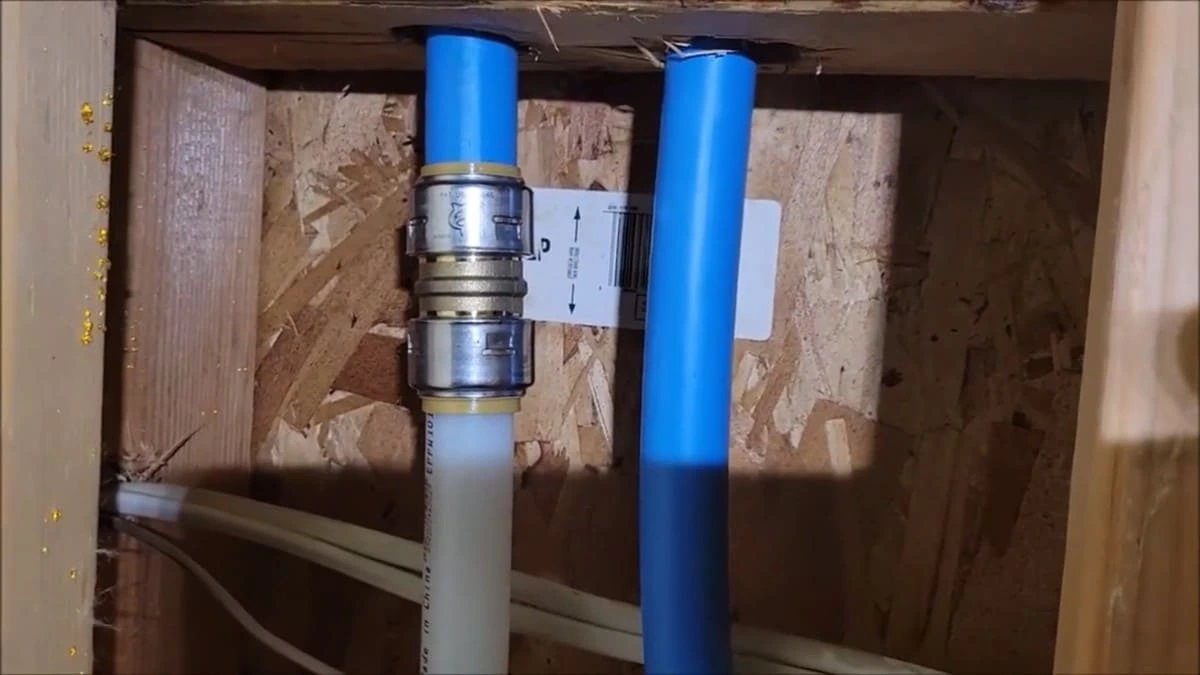
- Repair or Section Replacement – Damaged copper, PEX, CPVC, or galvanized sections are repaired or replaced using compatible fittings, secure connections, and code-conscious installation methods.
- System Pressure Testing – Once repairs are completed, the affected line is tested under pressure to verify proper operation, stable water flow, and leak-free performance before the system returns to service.
| I called and Clovis Plumbing was at my house less than an hour later! They were professional, quick and so helpful! I definitely recommend, and will use them in the future. |
Sandra F.
See our latest 5-star reviews and project photos on our Google Business Profile.
Table of Contents
Introduction
Pipe leaks inside Clovis homes do not always begin with obvious water damage. Early signs often include fluctuating pressure, warm flooring, moisture near baseboards, noisy piping, or unexplained water meter activity. Repair planning usually depends on identifying whether the issue involves aging copper, damaged PEX tubing, failed fittings, or slab-routed water lines hidden behind finished surfaces.
Repair complexity can vary significantly depending on pipe material, accessibility, foundation type, and the location of the affected line. Many Clovis properties contain attic-routed copper systems, centralized PEX manifolds, or slab plumbing that may allow moisture to travel beneath flooring before visible signs appear inside the home.
Residential plumbing repairs performed in California must follow standards established by the California Plumbing Code. Local permit and inspection requirements may also involve review through the City of Clovis Building Division.
Common Signs This Service Is Needed
Many plumbing pipe problems develop gradually rather than appearing as sudden catastrophic failures. A homeowner may initially notice reduced hot water pressure at a single fixture, faint discoloration around trim plates, recurring drywall texture bubbling, or water sounds occurring while no fixtures are operating. These symptoms often point toward active supply-side leakage somewhere within the system.
Temperature imbalance is another common indicator. A damaged hot-side line may create inconsistent fixture performance because escaping water reduces available pressure before it reaches showers, sinks, or appliances. Kinked PEX tubing, partially collapsed lines, and mineral-restricted copper sections can also create uneven flow conditions throughout the home.
Some properties experience recurring moisture near flooring transitions or beneath cabinetry without obvious fixture leaks nearby. In slab homes, water can travel underneath finished surfaces before becoming visible. That movement sometimes causes secondary symptoms far from the actual failure point, making proper diagnosis important before opening walls or scheduling restoration work.
Persistent increases in water usage can also signal concealed pipe damage involving interior piping or underground water line repair conditions. When the water meter continues moving while fixtures remain off, the plumbing system may be losing pressure somewhere behind walls, under concrete, or inside attic routing.
Local Factors That Affect This Service in Clovis
Clovis homes contain a wide range of plumbing installation styles because the area includes older established neighborhoods alongside rapidly developed residential subdivisions. Properties built decades apart frequently contain entirely different piping systems, fitting standards, and routing methods. That variation affects both repair complexity and material compatibility.
Hard water conditions throughout the Central Valley influence long-term pipe wear in many residences. Mineral accumulation can narrow copper lines internally, increase turbulence at fittings, and accelerate deterioration around threaded connections. In older galvanized systems, internal corrosion may substantially restrict flow long before exterior damage becomes visible.
Attic-installed plumbing is common in portions of Clovis, particularly in newer construction. High attic temperatures during summer months place additional expansion stress on piping and fittings over time. Movement caused by repeated heating and cooling cycles can contribute to connection fatigue, especially near unsupported directional changes.
Foundation design also affects repair planning. Slab construction limits direct access to underground water lines compared to raised-floor homes with crawlspaces. Locating leaks beneath concrete frequently requires separating plumbing symptoms from irrigation saturation, groundwater intrusion, or unrelated moisture migration before determining the safest repair strategy.
Homes that have undergone multiple remodels may contain mixed-material plumbing systems combining older copper with newer PEX additions. Those transition points sometimes become service areas because dissimilar materials, incorrect fittings, or poorly supported modifications create stress concentrations within the distribution system.
What This Service Typically Addresses
Residential pipe repair work can involve isolated fitting failures, deteriorated sections of water line, manifold connection problems, or larger issues requiring plumbing leak repair services. The scope depends heavily on where the affected line is located and how much surrounding material must be accessed safely.
Small localized repairs sometimes involve replacing a short damaged section while preserving the remainder of the line. In other situations, repeated corrosion or multiple weak points may justify replacing a longer run instead of patching individual areas repeatedly.
PEX systems often require evaluation of bend radius, support spacing, expansion fittings, and manifold balancing. Kinked tubing or stressed fittings can create hidden restrictions affecting fixture performance elsewhere in the house. Copper repairs may involve removing pinholed sections, correcting previous solder failures, or replacing improperly supported vertical runs experiencing vibration movement.
Older galvanized systems present different concerns because internal corrosion frequently extends beyond the visible leak area. When severe scaling exists throughout the line, restoring one damaged section may not fully correct ongoing pressure or flow problems.
Pipe repair work can also intersect with related plumbing services depending on system conditions. Some homeowners addressing water line failures also require leak detection services before opening structural surfaces. Others may combine repairs with water pressure regulator replacement if excessive pressure contributed to repeated failures.
What to Expect During a Service Visit
Repair appointments generally begin with system evaluation rather than immediate wall removal. Fixture behavior, pressure conditions, moisture patterns, pipe routing, and material transitions are reviewed first to narrow down the likely failure location.
Access planning becomes important once the affected section is identified. Depending on the layout, repairs may require opening drywall behind showers, accessing attic lines, working beneath cabinetry, or exposing sections inside garage utility walls. In slab-related situations, additional testing may be necessary before determining whether rerouting or direct access is more appropriate.
After isolating the affected area, the plumbing system is shut down temporarily so damaged sections can be removed safely. Replacement materials are selected based on the existing system configuration and current code requirements. Proper support, secure connections, and compatible fittings help reduce future stress on repaired areas.
Following installation, the repaired section is tested under pressure while fixtures are operated throughout the home. This verification process helps confirm proper flow restoration and ensures adjacent connections remain stable under normal operating conditions.
Homeowners are typically informed about contributing factors discovered during the repair. Excessive pressure, poor prior workmanship, unsupported piping, aging materials, or thermal movement patterns can all influence long-term reliability.
Cost Factors That Can Change the Final Price
Pipe repair pricing varies considerably because no two plumbing layouts are exactly alike. Accessibility is often one of the largest factors affecting labor requirements. A visible utility-room repair differs significantly from a leak located behind tile, beneath flooring, or inside a tightly framed attic cavity.
Material type also changes repair complexity. Copper repairs may require soldering, line draining, and heat protection procedures around surrounding finishes. PEX systems rely on specific expansion or crimp methods depending on manufacturer compatibility. Galvanized pipe often requires additional disassembly because threaded sections can seize internally after decades of corrosion.
The extent of surrounding damage can further affect project scope. Moisture exposure inside walls, flooring saturation, insulation contamination, or deteriorated framing may require coordination with additional restoration work after plumbing repairs are completed.
Diagnostic time occasionally influences pricing as well. Hidden leaks sometimes require separating plumbing-related moisture from roofing, irrigation, appliance, or drainage problems before repairs begin. That investigative process helps avoid unnecessary structural opening and incorrect repair recommendations.
Repair vs. Replacement
Not every leaking pipe requires complete system replacement. Many isolated failures can be corrected successfully by replacing a limited section while preserving the surrounding plumbing network. The decision usually depends on overall pipe condition rather than the leak alone.
When a single damaged area appears within otherwise stable piping, localized repair often makes practical sense. This approach is common with accidental punctures, isolated fitting defects, or recent mechanical damage affecting only one accessible section.
Different considerations apply when multiple failures develop across aging lines. Repeated pinhole leaks, widespread internal corrosion, or recurring joint separation may indicate broader deterioration throughout the system. Under those conditions, repeated spot repairs can eventually become less efficient than larger plumbing repipe projects.
Homes containing older galvanized lines frequently reach a stage where restoring proper flow becomes difficult even after repairing individual leaks. In those situations, partial repiping may provide more reliable long-term performance than continuing isolated corrections.
Properties with heavily modified plumbing layouts also require careful evaluation. Multiple remodel phases performed over decades sometimes create inconsistent materials, unsupported transitions, or inaccessible routing that complicates future repairs.
Access, Timing, and Household Disruption
Repair duration depends heavily on how quickly the affected line can be accessed safely. Exposed piping inside garages or utility spaces may allow same-day completion, while concealed lines behind custom finishes or beneath slab flooring can extend scheduling and repair time.
Some projects require temporary interruption of household water service while damaged sections are removed and tested. In multi-bathroom homes, plumbers may isolate smaller portions of the system to reduce disruption whenever layout conditions allow.
Wall and ceiling access is sometimes unavoidable, particularly when leaks occur behind tiled showers, inside insulated exterior walls, or above finished living spaces. Careful planning helps minimize unnecessary demolition while still providing adequate working space for proper installation.
Households with children, pets, or work-from-home schedules often prefer advance coordination regarding shutdown windows and access timing. Maintaining clear communication during the repair process helps homeowners prepare for temporary interruptions involving kitchens, laundry equipment, or bathroom fixtures.
When Professional Evaluation Matters
Persistent plumbing symptoms should not automatically be assumed to originate from visible moisture alone. Water can travel substantial distances behind framing, beneath slab foundations, or along pipe insulation before surfacing elsewhere inside the home.
Misidentifying the source of leakage sometimes leads to unnecessary drywall removal, repeated repairs, or replacement of plumbing components that were not actually failing. Accurate diagnosis becomes especially important in homes containing layered remodel history or mixed-material systems.
Professional evaluation is also important when pipe damage affects structural areas, gas appliance zones, electrical proximity, or concealed utility routing. These conditions require careful planning before opening finished surfaces or modifying existing plumbing paths.
Some homeowners initially attempt temporary repair products or external patching methods to slow active leakage. While those measures may reduce water loss briefly, they rarely address the underlying condition causing the failure.
Why Experience and Licensing Matter
Repair work frequently involves confined access areas, active water systems, aging materials, and installation conditions that vary significantly from one property to another. Experience becomes important because successful repairs depend on recognizing how older plumbing systems behave once pressure is restored.
Clovis Plumbing Services operates as a father-and-daughter team rather than a dispatch-based subcontracting model. Calls go directly to the people performing the work, allowing homeowners to discuss system conditions, scheduling concerns, and repair limitations without layers of office routing.
The company carries California Contractor License C-36 Plumbing #1014216 along with $2,000,000 General Liability coverage and active Workers’ Compensation insurance. That matters when repairs involve concealed piping, structural access, or active water lines capable of causing significant secondary damage if handled improperly.
More than four decades of plumbing field experience also influences repair decision-making. Aging copper systems, manifold-style PEX layouts, slab routing conditions, and mixed-material modifications all require different approaches depending on how the original installation was constructed.
Additional plumbing concerns discovered during repair appointments sometimes involve related system conditions such as deteriorated shutoff valves, aging water heater connections, or compromised fixture supply lines tied into the same branch system.
When to Schedule Service Confidently
Pipe problems rarely improve without corrective work once active leakage, internal deterioration, or pressure-related failures begin affecting the system. Early diagnosis can help limit moisture migration, reduce structural exposure, and prevent additional plumbing damage from developing elsewhere in the home.
Homeowners noticing recurring pressure loss, unexplained moisture, abnormal water meter movement, or visible pipe deterioration should consider scheduling professional evaluation before conditions worsen. Additional information about available repair services can also be found through our main plumbing services page. To schedule plumbing pipe repair in Clovis, contact Clovis Plumbing Services directly for system evaluation and repair planning.
Frequently Asked Questions
Can small pipe leaks cause major damage?
Yes. Even slow leaks inside walls, ceilings, or slab areas can create long-term moisture exposure that damages drywall, flooring, insulation, cabinetry, and framing materials. Small supply-line leaks may also continue increasing water usage for weeks before visible damage appears inside the home.
Does hard water affect pipe life?
Hard water can gradually increase wear inside residential plumbing systems by leaving mineral deposits along pipe walls and fittings. Over time, buildup may restrict flow, increase internal pressure stress, and contribute to corrosion around older copper or galvanized piping connections.
Should copper pipes be repaired or replaced?
That depends on the overall condition of the plumbing system. Isolated pinhole leaks or damaged sections can often be repaired successfully. When repeated failures appear throughout aging copper lines, replacing larger sections may provide more reliable long-term performance.
Can pipe repairs require wall access?
Yes. Many residential water lines run behind drywall, above ceilings, beneath cabinetry, or inside attic spaces. Access openings are sometimes necessary to reach damaged sections safely and complete repairs using proper fittings, support methods, and pressure-testing procedures.
Why do pipes make noise after repairs?
Noise following plumbing repairs can result from trapped air, pressure imbalance, unsupported piping movement, or changes in water flow velocity. Most air-related sounds clear shortly after fixtures are operated, although persistent vibration may require additional system adjustment or support.
Can high water pressure damage pipes?
Excessive water pressure places additional stress on fittings, valves, appliance connections, and supply lines throughout the plumbing system. Over time, elevated pressure can accelerate leaks, joint failures, and fixture wear, particularly in older piping systems already experiencing deterioration.