- Reduced Risk of Recurring Underground Leaks: Replacing deteriorated water lines helps eliminate repeated excavation, temporary patches, and recurring pressure-loss issues tied to aging piping systems.
- Improved Water Flow Throughout the Home: New supply lines can restore more consistent pressure and volume at showers, fixtures, irrigation connections, and multi-bathroom plumbing systems.
- Updated Materials Designed for Modern Installations: Modern replacement piping is selected for durability, corrosion resistance, flexibility, and compatibility with current residential plumbing standards.
- Better Long-Term Predictability for Older Properties: Full replacement often provides a more reliable long-term solution than repeated spot repairs when existing lines show widespread wear or material failure.
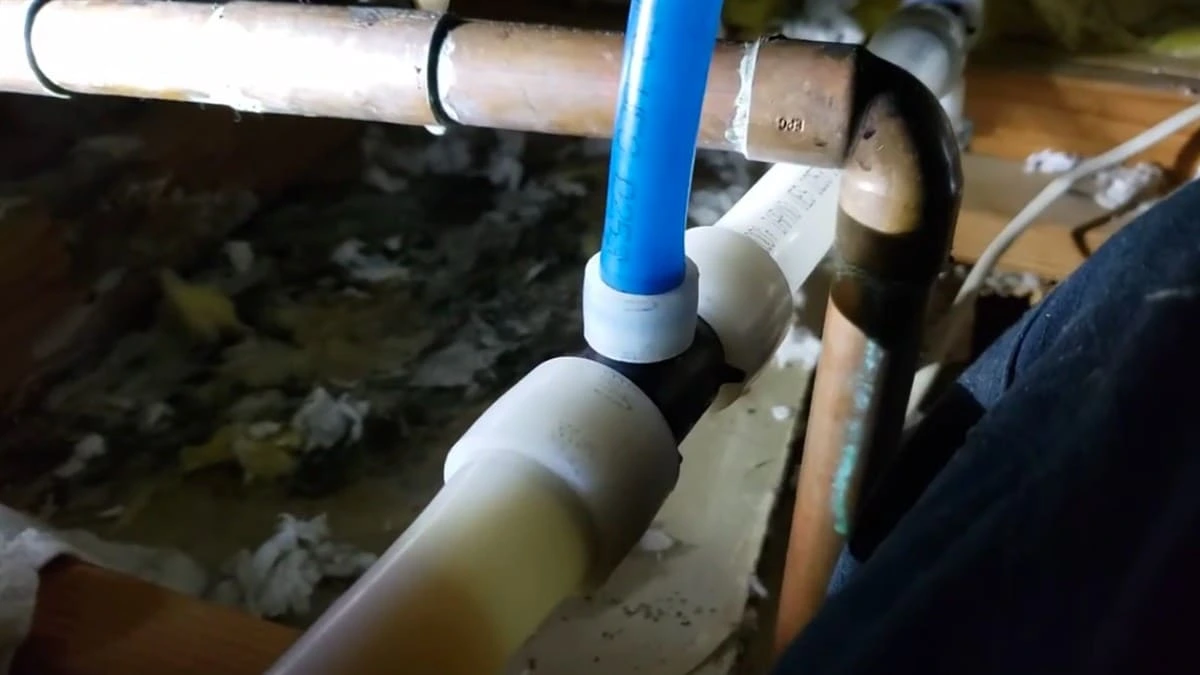
- Water Line Location and Access Planning: Existing line routing, depth, utility crossings, concrete surfaces, landscaping, and entry points are evaluated before replacement work begins.
- Pipe Material and Failure Assessment: The system is reviewed for corrosion, recurring leak history, pressure loss, outdated materials, or underground deterioration affecting long-term reliability.
- Replacement Routing and Installation Strategy: The project layout is planned based on property conditions, water demand, trenching access, and the most practical path for the new line.
- Connection, Pressure Testing, and System Verification: After installation, the new water line is connected, pressurized, and checked for proper flow, stable pressure, and leak-free operation.
- Surface Restoration and Project Review: Excavation areas are cleaned and stabilized as appropriate, and the completed replacement is reviewed with the homeowner before final completion.
| Tod from Clovis Plumbing Services did a great job for us on a plumbing repair. We had a leak from a pipe above the garage at a difficult angle. He not only did it quickly and efficiently but he explained both the problem and the repair. Also gave referrals for drywall repair since we had wet walls. Would both recommend and use again. Great, local, service! |
Paul N.
See our latest 5-star reviews and project photos on our Google Business Profile.
Table of Contents
Introduction
Underground water line problems don’t always announce themselves with a dramatic geyser. In many Clovis homes, the first red flags are subtle: fluctuating pressure, unexplained spikes in usage, or damp soil near the meter. Older supply lines may also suffer from internal corrosion that gradually chokes off flow to your fixtures.
Identifying the Root Cause
Many local properties still rely on aging galvanized or copper lines buried beneath slabs and driveways. When repairs become a seasonal habit, it’s often more practical to look at the big picture rather than patching the latest leak. Proper assessment involves navigating local regulations, such as those overseen by the City of Clovis Building Division, to ensure any major work meets safety standards.
Planning for Replacement
In California, all water line work must adhere to the state’s strict Plumbing Code. Beyond just following the law, modern replacements often incorporate high-efficiency standards recommended by the EPA WaterSense program to help homeowners reduce long-term waste. Whether you opt for a repair or a full replacement usually depends on your soil conditions, utility routing, and the overall integrity of your existing pipes.
Common Signs This Service Is Needed
Many residential water line problems develop gradually before a major failure occurs. Homeowners sometimes first notice reduced flow at showers during simultaneous fixture use, fluctuating pressure between hot and cold sides, or water discoloration after the system sits unused overnight. In older properties, internal pipe scaling can narrow the inside diameter of the line enough to affect performance throughout the house.
Exterior conditions can also point toward underground supply issues. Saturated soil near sidewalks, pooling water near the meter box, unusually green sections of lawn, or recurring foundation-adjacent moisture may indicate a compromised buried line. Some leaks remain hidden beneath concrete or landscaping for extended periods before visible symptoms appear inside the home.
Repeated service calls for isolated underground leaks often indicate broader material deterioration rather than a single localized failure. In many cases, homeowners who initially pursue small repairs eventually begin considering replacement after multiple excavations occur within a relatively short period of time.
Properties with older plumbing infrastructure may also experience compatibility concerns when modern fixtures, filtration systems, irrigation upgrades, or remodeling projects increase demand on an aging supply line. In some situations, the original pipe sizing no longer supports the way the home is currently being used.
Local Factors That Affect This Service in Clovis
Water line replacement conditions vary significantly across different Clovis neighborhoods. Older sections of the city may contain decades-old galvanized steel or copper systems installed beneath mature landscaping, extended concrete runs, or additions constructed after the original plumbing layout was completed. Newer developments often involve different access conditions but may still present challenges related to utility congestion or long underground service runs.
Soil movement can also affect underground piping over time. Expansion and contraction beneath foundations, driveways, and exterior walkways may place stress on buried connections or older rigid pipe materials. In some cases, minor shifting creates recurring leaks near fittings, transitions, or previous repair locations.
Replacement planning sometimes becomes more complex when irrigation systems, pool plumbing, outdoor kitchens, or detached structures have been connected into the original supply system over the years. Locating all active branches before installation helps reduce the likelihood of unexpected interruptions once the old line is retired.
Homes with slab foundations often require different routing considerations than crawlspace properties. Access limitations, existing hardscape, municipal connection locations, and utility clearances all influence installation strategy and project duration.
What This Service Typically Addresses
Water line replacement generally addresses system-wide conditions that cannot be solved reliably through isolated patching. Corroded galvanized piping, deteriorated copper sections, recurring underground leaks, pressure instability, and aging supply infrastructure are among the most common reasons homeowners begin exploring full replacement options.
In some situations, replacement work follows extensive leak history beneath slabs or driveways where repeated excavation becomes increasingly disruptive. Other projects involve properties where previous repairs have created multiple underground transitions between pipe materials, increasing long-term reliability concerns.
Residential supply upgrades may also involve replacing undersized lines that no longer support modern household demand. Multi-bathroom homes, irrigation additions, water filtration systems, and fixture upgrades can place greater strain on older piping systems originally designed for lower usage patterns.
Many homeowners comparing options between water line repair and full replacement eventually focus on predictability rather than the immediate repair itself. A newer line often reduces the uncertainty associated with recurring underground leaks, intermittent pressure loss, and future excavation costs.
What to Expect During a Service Visit
Initial evaluation usually begins with reviewing the history of the plumbing system, identifying previous repair locations, and observing how the current line is performing under active demand. Meter behavior, fixture pressure, visible moisture conditions, and property layout all help narrow down the overall condition of the underground supply system.
Locating the active route of the existing line is an important part of planning. Some homes have experienced reroutes or undocumented plumbing modifications over time, particularly after remodels or additions. Understanding where the existing piping travels helps determine the most practical replacement path and whether sections of concrete, landscaping, fencing, or hardscape may affect access.
Depending on the installation conditions, replacement may involve trenching, directional routing, or other methods intended to reduce unnecessary surface disruption. The specific approach depends on depth, property layout, utility clearances, and the location of the municipal connection.
Once the new line is installed, the system is pressurized and checked for stability before final reconnection to the home’s plumbing system. Proper testing is especially important when transitions occur between underground supply piping and interior distribution lines.
Cost Factors That Can Change the Final Price
Water line replacement pricing can vary substantially depending on property conditions rather than pipe length alone. Accessibility often plays a major role in determining labor requirements. Long trench runs beneath landscaping differ significantly from installations involving driveways, sidewalks, retaining walls, or slab-adjacent excavation.
Pipe material selection also influences overall cost. Copper, PEX, and other approved underground piping materials each involve different installation methods, connection systems, and routing considerations. The condition of the existing plumbing system may additionally affect how the new line integrates into the home.
Permit requirements, municipal coordination, excavation depth, utility conflicts, and restoration needs can all impact the final scope. Some projects require additional planning because of mature trees, narrow side yards, or limited equipment access.
Properties with older plumbing systems sometimes uncover additional conditions during replacement planning, including deteriorated shutoff valves, outdated manifold configurations, or previously concealed underground repairs. Evaluating these factors early helps reduce unexpected changes once work begins.
Repair vs. Replacement
Not every underground leak automatically requires full replacement. A newer line with a single isolated failure may still be a good candidate for targeted repair if the surrounding piping remains structurally sound. The challenge is determining whether the issue is localized or part of broader system deterioration.
Older galvanized systems frequently develop internal corrosion throughout the entire line, not just at one visible failure point. Copper piping can also experience repeated pinhole leaks after years of exposure to shifting soil conditions, water chemistry changes, or previous stress on fittings and joints.
Homeowners sometimes pursue several isolated repairs before realizing the long-term pattern. Multiple excavations across different sections of the property can eventually exceed the cost predictability of replacing the entire supply line at once.
In some cases, a broader plumbing repipe evaluation may also make sense if interior distribution piping shows similar age-related deterioration. Underground supply problems occasionally coincide with aging branch lines inside the structure itself.
Access, Timing, and Household Disruption
Every property presents different logistical conditions during underground plumbing work. Some homes allow relatively direct routing from the municipal connection to the structure, while others involve narrow side yards, elevated foundations, mature landscaping, or existing utility congestion that changes installation planning considerably.
Water service interruption timing depends on how the replacement is staged. In many situations, portions of the preparation work can occur before the final switchover takes place. Coordinating the transition carefully helps minimize the amount of time the home remains without active water service.
Surface restoration requirements also vary widely between projects. Soil replacement, gravel areas, decorative concrete, irrigation zones, and lawn recovery each involve different post-installation considerations. Understanding these conditions before excavation begins helps establish realistic expectations for the project timeline.
Homes with extensive remodel history sometimes require additional coordination because plumbing, electrical, gas, or landscape systems may no longer follow original construction layouts. Careful planning reduces the likelihood of unnecessary disruption during excavation and installation.
When Professional Evaluation Matters
Underground water supply failures are not always straightforward to diagnose accurately. Pressure fluctuations, moisture intrusion, slab-adjacent dampness, and intermittent fixture problems can occasionally resemble irrigation leaks, drainage issues, or interior plumbing failures occurring elsewhere on the property.
Evaluating the full condition of the system requires more than identifying where water is surfacing. Pipe material age, prior repair history, meter activity, routing conditions, and long-term reliability all influence whether continued repair work remains practical.
Homeowners planning additions, major remodeling, or long-term property upgrades often benefit from evaluating the condition of the main supply system before other plumbing investments are made. A failing underground line can affect fixture performance throughout the entire home, including systems connected later during renovation work.
Many property owners also review related services such as plumbing inspection when broader system concerns exist beyond the visible underground leak itself.
Why Experience and Licensing Matter
Water line replacement affects the entire potable water supply entering the property, which makes installation quality especially important. Incorrect underground connections, poor material transitions, improper depth, or inadequate pressure testing can create long-term problems that may not become visible immediately after the project is completed.
Clovis Plumbing Services operates as a father-and-daughter team rather than a rotating subcontractor model. Calls are handled directly, and the same people involved in planning the work remain involved throughout the project itself. That continuity matters when underground routing decisions, access limitations, and plumbing transitions need to be evaluated carefully on-site.
The company holds California Contractor License C-36 Plumbing #1014216 along with $2,000,000 General Liability coverage and active Workers’ Compensation insurance. The work itself reflects decades of combined trade experience, including more than 40 years in plumbing and over 10 years at the journeyman level performing residential plumbing installations and repairs throughout the Central Valley.
Homeowners comparing providers often review the full range of available plumbing services because underground supply work frequently intersects with broader residential plumbing conditions affecting the rest of the home.
When to Schedule Service Confidently
Underground water supply problems rarely become simpler once recurring leaks, pressure instability, or aging pipe conditions begin affecting daily use. Evaluating the system before major failure occurs often provides more flexibility when planning the project and comparing long-term options.
If the property has experienced multiple underground repairs, visible exterior moisture, unexplained pressure changes, or concerns involving older supply piping, scheduling a professional assessment can help clarify whether continued repair work or full replacement makes the most practical sense for the home.
Frequently Asked Questions
Can an old water line affect the whole house?
Yes. A deteriorating water line can affect pressure, flow consistency, fixture performance, and water delivery throughout the property. Because the main supply line feeds the entire plumbing system, corrosion, underground leaks, or restricted pipe diameter may create noticeable issues at multiple fixtures instead of one isolated location.
Does replacing a water line require permits in Clovis?
Most residential water line replacement projects in Clovis require permit coordination and inspection approval depending on the scope of work and connection type. Permit requirements help verify that underground piping, materials, depth, and pressure testing meet current plumbing and municipal installation standards.
What causes underground water lines to fail over time?
Underground supply piping may fail from corrosion, soil movement, aging materials, root intrusion, repeated pressure stress, or previous repair conditions. Older galvanized piping systems are especially prone to internal deterioration that gradually weakens the pipe walls and restricts water flow throughout the home.
Will water service be turned off during replacement?
Yes. Temporary water shutdown is normally required while the old supply line is disconnected and the new line is connected into the plumbing system. The interruption length depends on the project layout, access conditions, municipal coordination, and how the replacement work is staged during installation.
Can low water pressure mean the line needs replacement?
In some homes, ongoing low pressure can indicate underground supply line deterioration rather than a fixture problem alone. Internal corrosion, scaling, pipe restrictions, or recurring leaks may reduce overall flow capacity. Proper evaluation helps determine whether the issue involves repairable conditions or broader piping failure.
How long can a residential water line usually last?
Water line lifespan varies based on material type, soil conditions, installation quality, water chemistry, and usage patterns. Some copper systems remain functional for decades, while galvanized piping often deteriorates earlier from internal corrosion. Long-term reliability depends heavily on the condition of the entire underground system.