- Kitchen Remodel Coordination: Plumbing layout changes are planned around cabinet placement, appliance locations, and construction sequencing to help avoid conflicts later in the remodel process.
- Clovis Home Experience: We work with slab homes, crawlspace foundations, attic-fed water systems, and older residential plumbing configurations commonly found throughout Clovis and nearby communities.
- Code-Conscious Installation: Drainage, venting, water piping, and gas line modifications are completed with attention to California plumbing standards and local inspection requirements.
- Direct, Owner-Operated Service: Work is handled directly by our small licensed team, allowing clearer communication and better continuity throughout the planning and rough-in stages of the project.
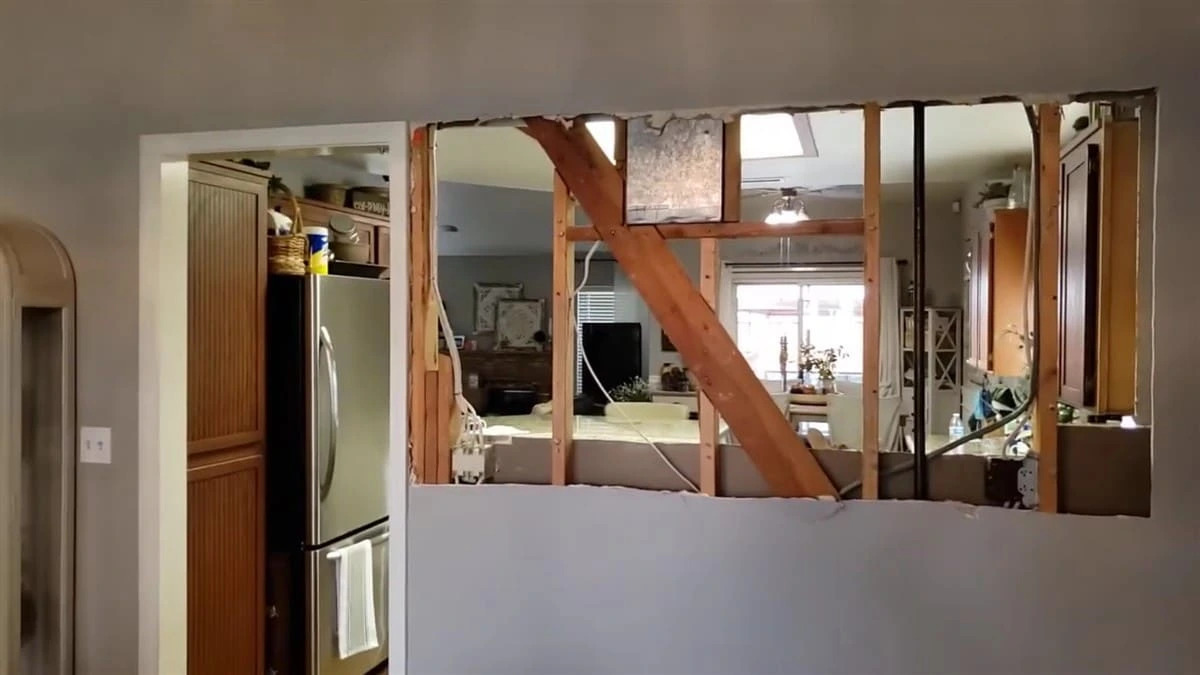
- Fixture Relocation Planning: Sink, dishwasher, refrigerator, and cooking appliance locations are evaluated carefully to determine how plumbing systems can be rerouted within the existing structure.
- Foundation & Access Evaluation: Slab foundations, crawlspaces, framing conditions, and wall accessibility are reviewed before plumbing modifications begin to help reduce construction delays.
- Appliance & Utility Integration: Water, drainage, and gas connections are configured to support modern kitchen appliances and changing layout requirements during remodeling.
- Rough-In Preparation: Plumbing systems are positioned and tested during the rough-in stage so cabinetry, countertops, flooring, and finish materials can proceed with fewer installation conflicts.
- Long-Term Infrastructure Updates: When older piping, shutoff valves, or outdated connections are exposed during remodeling, homeowners have the opportunity to address aging infrastructure before walls are closed.
| Tod at Clovis Plumbing Services is the best! What separates him from the rest other than his friendly service and his timely call backs is his meticulous way he records all the services he has done for you in prior service calls. He keeps a detailed record and sometimes videos of what he has done in the past. So the other day I called him for a leaking problem. He looked up the last time he was here (about 2 yrs. ago) and could step by step dictate to me what he did the last time he was out. He then texted me the part he thought I needed to fix the problem and where to get it on Amazon. That was the fix and I was even able to install it myself. This guy is the best! So don’t hesitate to call and make sure to keep him in contacts because his value goes beyond just the initial visit. |
Joy W.
See our latest 5-star reviews and project photos on our Google Business Profile.
Table of Contents
Introduction
Clovis homeowners planning a kitchen remodel or layout change must ensure plumbing systems are properly designed to meet both performance needs and local code requirements. Kitchen plumbing layout work involves precise planning of water supply lines, drain-waste-vent (DWV) systems, and fixture placement to support sinks, dishwashers, refrigerators, and island installations.
All work must comply with the California Plumbing Code to ensure safe drainage, venting, and long-term reliability.
Structural Considerations and Local Compliance
Mid-project decisions often impact routing complexity, especially in slab foundations or when relocating fixtures across the room. Proper venting methods—such as island loop venting—must align with standards outlined by the City of Clovis Building Division, where permits and inspections are typically required for layout modifications.
These steps ensure that new plumbing configurations meet structural and safety standards before walls and cabinetry are closed.
Water Efficiency and Performance
Water efficiency is also a key consideration in modern kitchen design. Fixture selection and system layout should support conservation goals consistent with the EPA WaterSense Program, helping reduce water usage without compromising performance.
A properly engineered kitchen plumbing layout ensures:
- Balanced pressure for consistent flow.
- Efficient drainage to prevent clogs and odors.
- Long-term durability across all connected fixtures.
Common Signs This Service Is Needed
Kitchen layout plumbing work is commonly needed when a remodel changes how fixtures are positioned inside the room. Many homeowners discover the existing plumbing was designed around older cabinet layouts that no longer support larger islands, deeper sinks, modern refrigerators, or commercial-style ranges.
In older Clovis neighborhoods, kitchens were often built with limited appliance spacing and compact drain routing inside narrow wall cavities. Once cabinets are removed during remodeling, hidden limitations become easier to identify. Existing drains may interfere with new island placement, vent locations may conflict with ceiling framing, or aging galvanized piping may no longer support reliable water flow.
Some projects begin after recurring plumbing issues appear during normal use. Slow drainage, inconsistent pressure at the kitchen faucet, noisy piping behind walls, or repeated dishwasher backup conditions can indicate the original layout was poorly configured or no longer functions well after previous remodel attempts.
Gas appliance upgrades also trigger layout changes. Professional-style ranges, tankless systems, and larger cooktops frequently require pipe sizing changes or rerouted gas connections to support increased BTU demand safely.
Local Factors That Affect This Service in Clovis
Kitchen plumbing modifications vary significantly depending on how the home was originally constructed. Slab-on-grade foundations common throughout the Central Valley often require concrete access when relocating drains across the kitchen footprint. Even relatively small fixture moves may involve trenching sections of slab to maintain proper drainage pitch beneath the floor.
Homes with crawlspaces allow easier access for rerouting supply and waste piping, although older framing layouts can still create installation limitations around beams, supports, and HVAC routing. Attic-fed water systems found in many Clovis properties also require careful planning to avoid unnecessary pressure loss across longer pipe runs.
Local water conditions influence material recommendations as well. Hard water exposure over time can accelerate buildup inside older galvanized systems, particularly near shutoffs and branch connections serving dishwashers and refrigerators. During kitchen remodeling, many homeowners choose to replace aging piping sections rather than reconnect new fixtures onto deteriorated lines hidden inside walls.
Projects involving older homes near Old Town Clovis frequently uncover multiple generations of plumbing modifications. It is not unusual to find abandoned drains, mixed piping materials, inaccessible shutoff valves, or venting adjustments completed during previous remodels decades earlier. Identifying those conditions before cabinet installation helps reduce delays later in the project.
What This Service Typically Addresses
Kitchen plumbing layout changes usually involve several systems working together rather than a single pipe relocation. Drainage, venting, water supply, appliance connections, and gas piping all need to function correctly once the remodel is complete.
Many remodels involve moving the primary sink beneath a window or relocating it into a kitchen island. That process requires proper drain routing beneath the floor along with venting methods that allow fixtures to drain without siphoning nearby traps. Island installations often require specialized vent configurations depending on framing access and local inspection requirements.
Dishwasher relocation can require additional drainage modifications if the appliance is positioned farther from the main sink connection. Refrigerator water lines, pot fillers, prep sinks, and secondary bar sinks may also require new supply routing inside finished walls or ceilings.
Gas line relocation becomes important when converting from electric cooking equipment or repositioning the cooking surface within the room. Some installations require larger gas piping to maintain proper pressure delivery for higher-demand appliances.
During larger remodels, homeowners sometimes combine layout modifications with related services such as kitchen plumbing remodeling, when aging infrastructure is already exposed behind open walls.
What to Expect During a Service Visit
The first stage usually involves reviewing the remodel layout alongside the existing plumbing system before any rough-in work begins. Measurements are taken to determine fixture placement, drain elevation, vent accessibility, and potential conflicts with framing or structural components.
Once access areas are opened, the existing plumbing can be evaluated more accurately. Older homes sometimes contain piping conditions that were not visible during initial planning, including undersized drains, abandoned lines, corrosion near fittings, or previous remodel work that does not meet current standards.
Drain modifications are normally completed first because slope requirements determine how other systems can be routed. Water supply lines and gas piping are then positioned according to appliance and cabinet layouts before pressure testing is performed.
Inspection scheduling may occur during the rough-in stage depending on permit requirements. This helps verify that drain configuration, venting methods, and gas piping installation meet local code standards before insulation and drywall conceal the work.
Projects are typically coordinated around the larger remodel schedule to minimize delays between plumbing, electrical, drywall, and cabinet installation phases.
Cost Factors That Can Change the Final Price
Kitchen plumbing layout pricing depends heavily on access conditions and the extent of fixture relocation. Moving a sink a short distance along the same wall is very different from relocating it across the room into a new island.
Concrete slab access is one of the largest pricing variables in Clovis homes. Drain relocation beneath slab foundations requires additional labor, specialized cutting equipment, soil excavation, and patch preparation after plumbing installation is complete.
The age and condition of the existing piping system also affect overall cost. Remodels involving deteriorated galvanized piping, damaged drain lines, or outdated shutoff valves frequently require additional replacement work once walls are opened.
Gas line upgrades can increase project complexity when larger appliances require increased pipe sizing or extended routing back toward the gas source. Appliance count, fixture additions, and accessibility around framing all contribute to final labor requirements.
Inspection coordination, permit requirements, and phased remodel schedules may also influence project timing and pricing.
Repair vs. Replacement
Not every kitchen remodel requires complete system replacement. In some situations, portions of the existing plumbing can remain in place if the layout changes are limited and the original piping remains structurally sound.
Copper systems with good pressure performance and minimal corrosion may only require localized rerouting around new fixture locations. Certain PEX systems can also be modified effectively when manifold routing allows isolated branch adjustments without disturbing the entire home.
Replacement becomes more practical when existing materials show significant wear or when previous repairs have created inconsistent routing throughout the kitchen walls. Galvanized piping, heavily scaled branch lines, and aging shutoff valves are common reasons homeowners choose broader replacement during remodeling. In some cases, homeowners also address related issues through plumbing pipe repair while walls and cabinets are already open for construction access.
Some remodels uncover hidden drain conditions that make partial modification unrealistic. Incorrect slope, inaccessible vents, or improperly tied-in branch lines may require larger sections of the drainage system to be rebuilt to support the new kitchen layout correctly.
Because remodel access already exposes much of the infrastructure, many homeowners decide long-term replacement is more practical than reconnecting new cabinetry and appliances onto outdated plumbing concealed behind finished surfaces.
Access, Timing, and Household Disruption
Kitchen plumbing layout work is usually completed during active remodeling, which means portions of the kitchen may remain unusable throughout construction. Water interruptions are typically scheduled in stages to reduce household disruption whenever possible.
Homes with crawlspace access often allow faster routing adjustments with less invasive demolition. Slab homes generally require additional preparation because trenching and concrete access can extend project timelines.
Occupied homes require additional coordination around dust control, temporary appliance removal, and limited sink availability. Scheduling becomes especially important when the kitchen contains the home’s primary cooking or cleanup area.
Remodel timing can also shift depending on material availability, inspection scheduling, cabinet delivery dates, or structural modifications discovered during demolition. Experienced planning helps reduce delays between trades once plumbing rough-in work is complete.
When Professional Evaluation Matters
Layout modifications involve far more than extending pipes from one location to another. Drainage pitch, vent sizing, fixture unit calculations, gas pressure requirements, and water line capacity all affect long-term system performance after the remodel is complete.
Improper drain configuration can create recurring backup conditions that remain hidden until cabinets and countertops are fully installed. Poor vent placement may allow slow drainage, sewer odors, or noisy fixture operation inside finished kitchens.
Gas routing mistakes can create unsafe operating conditions around cooking equipment, especially when larger appliances require upgraded sizing or rerouted supply connections. In some remodels, homeowners also complete related gas line installation work when kitchen layouts change significantly. Water line installation errors may also lead to pressure imbalance or concealed leaks inside walls after the remodel is complete.
Professional evaluation becomes especially important in homes with previous remodel history, older plumbing materials, slab foundations, or extensive appliance upgrades. Early planning helps identify structural limitations before cabinetry, flooring, and countertops are finalized.
Why Experience and Licensing Matter
Kitchen remodeling projects often place multiple systems inside confined wall cavities where plumbing, electrical, framing, and ventilation components must coexist without conflict. Experience matters because layout decisions made during rough-in directly affect how the kitchen performs years after construction ends.
Clovis Plumbing Services operates as a father-and-daughter team handling projects directly rather than subcontracting rotating crews. That continuity matters during remodel work because the same people planning the routing are also responsible for the installation itself.
The company carries California Contractor License C-36 Plumbing #1014216 along with $2,000,000 General Liability coverage and active Workers’ Compensation insurance coverage. Those requirements become important when plumbing work involves structural access, gas systems, slab modifications, or municipal inspection processes.
Decades of field experience across older Clovis homes, newer subdivisions, crawlspace construction, attic-fed systems, and slab foundations help reduce the guesswork that often delays kitchen remodeling projects after demolition begins.
When to Schedule Service Confidently
Kitchen plumbing layout planning should begin before cabinet installation, countertop fabrication, or finish scheduling is finalized. Early evaluation allows routing conflicts, venting limitations, and structural access concerns to be identified before the remodel reaches expensive finishing stages.
If your remodel involves relocating sinks, rerouting drains, moving gas appliances, adding island plumbing, or replacing aging kitchen piping, scheduling a professional assessment early in the planning phase can help prevent costly changes later in construction. You can also review completed local plumbing projects and customer feedback through our Google Business Profile.
Frequently Asked Questions
Can kitchen sink drains be relocated easily?
Kitchen sink drains can often be relocated, but the complexity depends on foundation type, drain access, vent location, and how far the fixture is moving. Slab foundations in Clovis homes usually require concrete access for major relocations, while crawlspaces typically allow simpler rerouting beneath the floor system.
Do kitchen remodels require plumbing permits?
Many kitchen remodels involving drain relocation, gas line work, or fixture movement require permits and inspections in Clovis, CA. Permit requirements depend on the scope of the plumbing changes being completed. Licensed plumbing contractors typically coordinate inspections during rough-in stages before walls are closed.
Can gas lines be moved during remodeling?
Gas lines are commonly relocated during kitchen remodeling when ranges, cooktops, or ovens move to new locations. Proper sizing, routing, and pressure testing are important because modern appliances may require greater gas volume than older equipment originally installed inside the home decades earlier.
What affects kitchen plumbing layout project cost?
Project pricing depends on access conditions, fixture relocation distance, slab trenching requirements, gas line modifications, permit coordination, and the condition of the existing plumbing system. Older homes with deteriorated piping or difficult structural access often require additional labor during remodeling.
Can old kitchen plumbing stay during remodeling?
Existing kitchen plumbing can sometimes remain in place if the materials are still in good condition and the new layout requires only limited adjustments. However, older galvanized piping, damaged drains, or outdated shutoff valves are frequently replaced once walls and cabinets are already opened during renovation.
How long do kitchen plumbing changes usually take?
Most kitchen plumbing layout modifications take several days during the rough-in stage of remodeling, although timelines vary depending on slab access, fixture additions, inspection scheduling, and appliance relocation complexity. Larger remodels involving gas systems or extensive rerouting may require additional time.