- Accurate Underground Diagnosis: Testing helps isolate the actual source of water loss before excavation begins.
- Reduced Property Damage Risk: Planned excavation helps limit unnecessary disruption to landscaping, concrete, irrigation, and nearby utilities.
- Code-Compliant Installation: Repairs are completed using approved materials and connection standards required for underground potable water.
- Proper System Pressure Restoration: Correct sizing and reconnection methods help stabilize water flow throughout the home.
- Safe Utility Coordination: Underground repairs require awareness of nearby gas, sewer, electrical, and communication lines.
- Permit & Inspection Management: Required municipal permits and inspection scheduling are handled when applicable.
- Long-Term Repair Stability: Proper pipe support, trench preparation, and connection methods help reduce repeat underground failures.
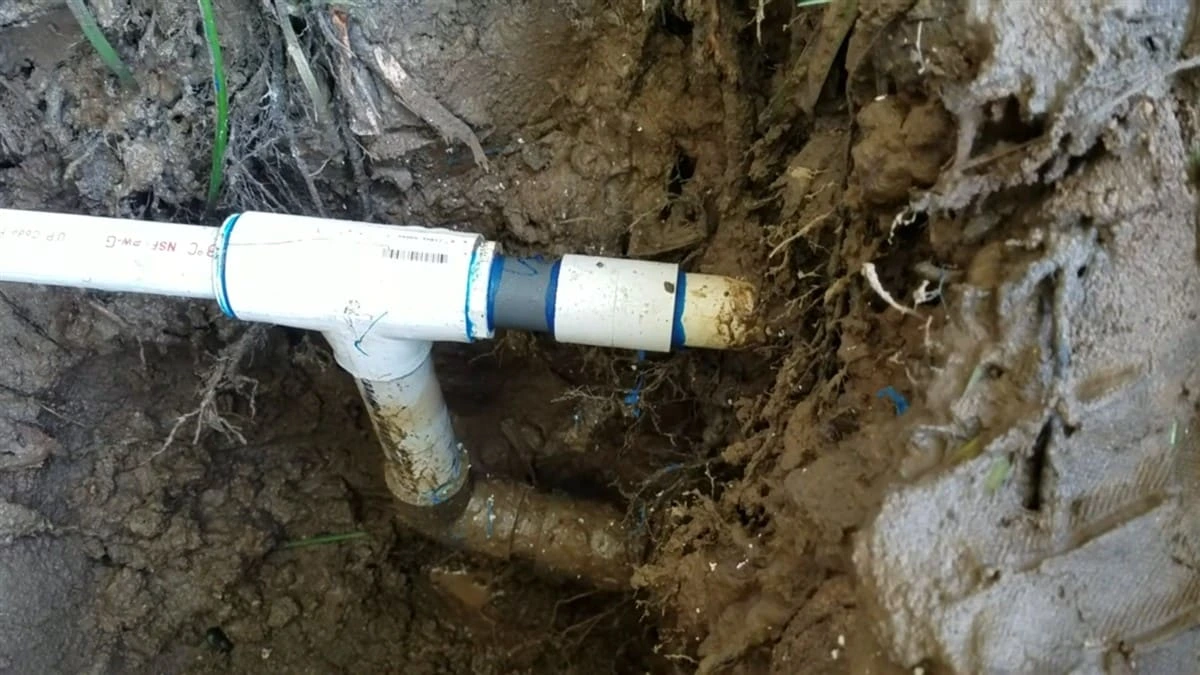
- Underground Leak Location: Diagnostic testing to identify hidden water line leaks beneath yards, driveways, slab edges, and landscaped areas.
- Main Water Service Line Repair: Targeted repair of damaged underground piping between the city meter and the home.
- PVC Water Line Repair: Replacement of cracked, separated, or root-damaged PVC service line sections.
- Copper Water Line Repair: Repair of corroded, pinholed, or split copper underground water lines.
- Main Shutoff Valve Replacement: Repair or replacement of damaged exterior shutoff valves and meter-side connections.
- Full Water Line Replacement: Complete replacement options for aging, deteriorated, or repeatedly failing underground piping systems.
- Pressure Testing & System Verification: Final testing performed after repairs to confirm proper flow, stable pressure, and leak-free operation.
| I just got off the phone with Todd. I’m in need of some plumbing services but unfortunately I’m out of their service area. However, without getting into the details of the call, he was amazing. Not only did he answer every question but he was thorough and elaborated on a couple of different scenarios which to someone with no experience, is extremely valuable. He didn’t have to do any of this; I appreciate it and i believe it shows a lot about their character and mission. Give them a call and see for yourself. |
Frank M.
See our latest 5-star reviews and project photos on our Google Business Profile.
Table of Contents
Introduction
Residential plumbing repairs in California must follow standards established through the California Plumbing Code, while water efficiency guidance influencing modern plumbing systems is also supported through the EPA WaterSense program. Permit oversight for underground service line work may additionally involve requirements through the City of Clovis Building Division.
Water line failures can develop differently depending on pipe material, installation age, soil movement, tree root activity, previous repairs, and the location of the line between the city meter and the structure. Older properties sometimes contain galvanized or copper service lines with isolated corrosion points, while newer homes may rely on PVC or polyethylene systems with glued joints or transition fittings that weaken over time. Determining whether the problem involves a localized section or a larger system condition usually shapes the repair strategy, excavation scope, and overall timeline.
Common Signs This Service Is Needed
Main water line problems often begin with subtle system changes rather than dramatic flooding. Many homeowners first notice inconsistent fixture pressure when multiple fixtures operate at the same time. Faucets may surge briefly before pressure drops, toilets may refill slower than normal, or irrigation zones may appear weaker than usual during operation.
Exterior conditions can also reveal underground supply problems. Saturated soil near sidewalks, continuously damp mulch beds, or unexplained patches of fast-growing grass sometimes indicate underground leakage beneath the surface. Because underground water movement follows the path of least resistance, moisture may appear several feet away from the actual pipe failure.
Interior symptoms are common as well. Air sputtering from faucets, sediment entering aerators, or discolored water after periods of inactivity may point toward deteriorating underground piping. Some homeowners also hear faint water movement inside walls or below flooring while no fixtures are running.
High utility bills without increased household usage remain one of the most common warning signs. Small underground leaks can waste substantial amounts of water before visible surface conditions develop.
Local Factors That Affect This Service in Clovis
Clovis properties vary considerably depending on neighborhood age, original builder practices, and soil composition. Older sections of the city may contain aging copper or galvanized underground supply piping, while newer developments often use PVC or polyethylene water service lines routed through expanding suburban lots.
Soil movement throughout the Central Valley can influence underground plumbing conditions over time. Seasonal expansion and contraction place stress on buried fittings, glued joints, and transition connections. Areas with mature landscaping may also experience root intrusion around underground utilities, especially near older trees with aggressive root systems.
Foundation type changes repair accessibility as well. Some homes allow easier directional excavation along exterior routing paths, while others require careful trench planning near concrete walkways, patios, retaining walls, or irrigation systems. Water service depth can also vary significantly between properties depending on grading and original construction methods.
Homes that have undergone multiple remodels occasionally contain undocumented underground rerouting or mixed-material repairs completed over several decades. Locating existing transitions between copper, PVC, galvanized, or polyethylene piping sometimes becomes part of the diagnostic process before excavation even begins.
Properties considering larger plumbing upgrades occasionally evaluate underground service conditions alongside projects such as whole-home repiping when aging distribution piping exists throughout the structure.
What This Service Typically Addresses
Main water line repair work can involve several different underground conditions depending on the failure location and pipe material involved. Some repairs focus on isolated cracks or separations in PVC service lines, while others address corroded copper sections or deteriorating galvanized piping restricting water flow into the home.
Meter-to-house connections are another common repair area. Underground transition fittings between municipal connections and private service lines sometimes fail due to age, shifting soil, or previous repair work. Exterior shutoff valves may also require replacement when corrosion prevents reliable operation during emergency shutdown situations.
Certain repairs involve only a short excavation with sectional replacement, while more advanced deterioration may justify larger replacement planning. Homes experiencing repeated underground leaks within a short period sometimes benefit from evaluating whether partial repairs remain practical long term.
Underground supply issues occasionally appear alongside interior plumbing symptoms as well. Some homeowners initially investigate fixture pressure concerns through services like faucet repair before discovering the underlying restriction originates within the main service line itself.
What to Expect During a Service Visit
Professional evaluation normally begins with pressure analysis, fixture testing, and review of visible site conditions around the property. Water meter activity may be checked while fixtures remain inactive to confirm whether underground water movement is occurring continuously.
Once the probable failure area is identified, excavation planning depends on accessibility, depth, nearby utilities, and the suspected pipe material involved. Some repairs require compact trench access near the meter or foundation edge, while others involve longer excavation paths to reach deteriorated sections.
Service interruption length varies based on repair complexity. In many residential situations, water shutdown time remains limited to the active reconnection phase rather than the entire excavation process. Final testing typically includes pressure verification and inspection of all reconnection points before trench closure occurs.
Households with aging plumbing systems sometimes use the opportunity to evaluate nearby components, shutoff valves, or additional fixture upgrades while underground work is already underway. Certain homeowners also coordinate related projects such as water heater installation when older plumbing infrastructure is being updated simultaneously.
Cost Factors That Can Change the Final Price
Underground water line repair pricing varies considerably because no two excavation conditions are exactly alike. Pipe depth, material type, soil conditions, access limitations, and repair length all influence the final scope of work.
Simple sectional repairs located near exposed soil areas generally involve lower labor requirements than failures beneath concrete, retaining walls, decorative hardscaping, or mature landscaping. Long excavation distances between the meter and structure can also increase labor and restoration time.
Material selection affects pricing as well. Copper, PVC, polyethylene, and transition fittings each involve different connection methods, tools, and installation procedures. In some situations, additional costs may involve permit requirements, municipal inspections, utility coordination, or replacement of deteriorated shutoff assemblies discovered during excavation.
Repair-versus-replacement decisions often influence total investment more than any single factor. A localized break may require only limited excavation, while repeated failures within aging underground piping sometimes shift recommendations toward larger replacement planning.
Repair vs. Replacement
Choosing between localized repair and complete replacement usually depends on the age, condition, and failure history of the underground line. Isolated damage caused by root intrusion, accidental impact, or a failed joint may justify targeted sectional replacement when the remaining piping remains structurally sound.
Older systems with recurring leaks, widespread corrosion, or multiple previous repairs often present different long-term considerations. Repeated excavation across several years can eventually exceed the cost and disruption associated with replacing the entire underground service line once.
Pipe material also matters. Galvanized piping nearing the end of its service life frequently develops internal restriction along with exterior deterioration. Older copper lines may contain multiple thinning areas even if only one active leak is currently visible. PVC systems with brittle joints or widespread shifting may experience recurring separation issues after isolated repairs.
Replacement planning additionally creates opportunities to improve routing, upgrade shutoff accessibility, or reduce future maintenance exposure when older installation methods no longer fit modern household usage.
Access, Timing, and Household Disruption
Excavation access often shapes how quickly underground repairs can proceed. Open soil areas usually allow faster trenching than locations beneath decorative concrete, fencing, retaining walls, or dense landscaping. Properties with narrow side-yard access may require smaller equipment or manual excavation methods in limited spaces.
Scheduling can also depend on utility locating requirements and municipal permit approval timelines where applicable. Underground utility verification is an important part of safe excavation planning because gas, electrical, communication, and irrigation systems may cross the repair path.
Most residential repairs are completed faster than homeowners initially expect, although restoration timelines vary depending on trench length and surface conditions. Water interruption periods are commonly shorter than the total workday because final reconnection occurs near the end of the repair process.
Families with larger households, irrigation systems, or work-from-home schedules sometimes coordinate service timing carefully to minimize disruption during temporary shutdown periods.
When Professional Evaluation Matters
Underground plumbing conditions can be difficult to diagnose accurately without direct testing. Pressure fluctuation alone does not always confirm a main water line failure because similar symptoms may originate from regulators, fixture restrictions, interior leaks, or aging distribution piping inside the structure.
Professional evaluation becomes especially important when multiple symptoms appear simultaneously, such as high utility bills combined with soil saturation or whole-home pressure changes. Proper testing helps separate isolated fixture issues from larger underground supply conditions before unnecessary excavation occurs.
Certain underground leaks also create structural concerns if water movement develops near foundations, retaining walls, or slab edges for extended periods. Early evaluation can help reduce secondary property damage caused by long-term soil saturation beneath concrete surfaces.
Why Experience and Licensing Matter
Underground water service repairs involve more than simply exposing damaged pipe and installing a new fitting. Proper trench preparation, reconnection methods, pressure verification, and material compatibility all influence long-term reliability after the excavation is closed.
Clovis Plumbing Services operates as a father-and-daughter plumbing company rather than a dispatch-based operation using rotating subcontractors or outside crews. Homeowners speak directly with the people performing the work, which helps maintain communication consistency throughout diagnosis, scheduling, and repair planning.
The company’s background includes roughly 50 years across the trades, more than 40 years of plumbing experience, and over a decade working at the journeyman level. California Contractor License C-36 Plumbing #1014216 remains active alongside $2,000,000 General Liability coverage and active Workers’ Compensation insurance.
Experience becomes particularly important during underground work because excavation conditions often change once the line is exposed. Soil instability, undocumented previous repairs, mixed piping materials, or unexpected routing changes can all require field adjustments that are difficult to manage without substantial hands-on experience.
When to Schedule Service Confidently
Water line problems rarely improve without intervention. Pressure changes, unexplained water usage, recurring saturated soil, or visible underground leakage usually indicate conditions that continue worsening over time. Addressing underground supply issues earlier often limits property disruption compared to waiting for larger failures to develop.
If your home is showing signs of underground water line problems in Clovis, Fresno, or nearby Central Valley communities, Clovis Plumbing Services can evaluate the condition, explain the findings clearly, and help determine whether sectional repair or replacement makes the most sense for the property. Additional information about residential plumbing services is also available through our main plumbing services page.
Frequently Asked Questions
Can a water line leak increase my water bill?
Yes. Even small underground leaks can waste a significant amount of water over time without creating immediate surface flooding. Many homeowners first discover underground service line problems after noticing unexplained increases in monthly utility bills despite maintaining normal household water usage patterns.
Does low water pressure always mean a pipe leak?
No. Low water pressure can also result from failing pressure regulators, mineral buildup, aging galvanized piping, fixture restrictions, or partially closed shutoff valves. Professional testing helps determine whether the issue originates from the underground service line or another plumbing component.
How deep are residential water lines usually buried?
Underground water service lines are commonly buried several feet below grade, although actual depth varies depending on soil conditions, grading, installation age, and local construction practices. Some properties contain deeper routing beneath driveways, landscaping features, or utility crossings.
Can only part of a water line be replaced?
Yes. Many underground failures involve isolated sections that can be excavated and repaired without replacing the entire service line. The condition of the remaining piping, repair history, pipe material, and long-term reliability expectations usually determine whether sectional repair is practical.
Will excavation damage my driveway or landscaping?
Not always. Excavation planning depends on the location of the underground failure and available access routes around the property. Some repairs require limited trenching in open soil areas, while others may involve careful work near concrete, irrigation systems, trees, or decorative landscaping.
Do underground water line repairs require permits?
Many main water line repairs and replacements require permits and inspection approval depending on the scope of work and local municipal requirements. Permit handling is typically coordinated during the planning process before excavation and final reconnection begin.