- Predictable Daily Use: Restore confidence in your system so showers, laundry, and dishwashing can happen without second-guessing timing or availability.
- Reduced Risk of Interior Damage: Address developing issues before they lead to water escaping into walls, flooring, or surrounding storage areas.
- More Reliable Daily Operation: Bring the unit back to steady operation so performance doesn’t vary between different times of day or levels of demand.
- Protection of Connected Fixtures: Maintain proper system behavior to prevent unnecessary strain on faucets, shutoffs, and supply connections throughout the home.
- Cleaner Operation at the Tap: Resolve conditions that contribute to unpleasant smells or discoloration so water feels more consistent during everyday use.
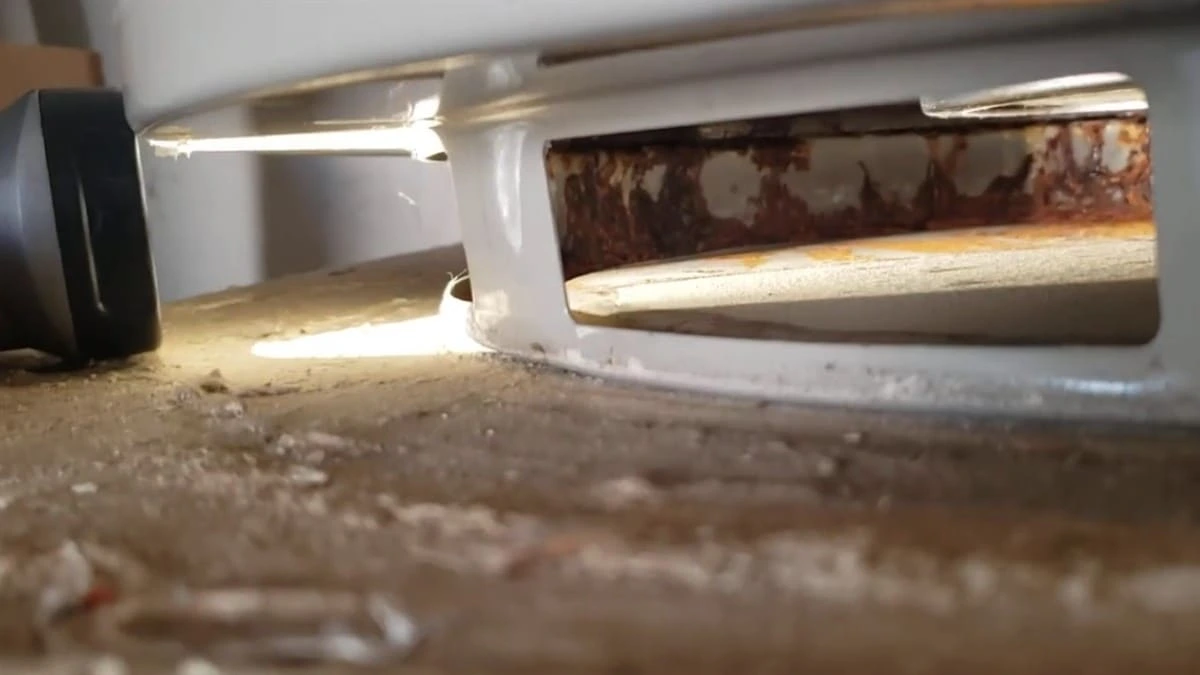
- Component-Level Repair Work: Replace or correct failed internal parts such as gas controls, electrical components, or worn mechanical assemblies.
- Valve and Connection Corrections: Repair or reseal threaded fittings, shutoff valves, and transition points where leaks or pressure inconsistencies develop.
- Tank Hardware Servicing: Inspect and service external hardware including drain ports, relief valves, and connection points that influence safe operation.
- Pressure Control Adjustments: Address expansion-related issues by correcting or installing components that manage system pressure during heating cycles.
- Targeted Leak Resolution: Identify the exact origin of moisture and perform localized repairs to stop active leaking without unnecessary system replacement.
| Had an emergency in the garage, hot water heater was leaking. I called Clovis Plumbing Services and they weren’t able to get someone out soon enough but was extremely helpful and gave me two other places to call. Thankfully one was able to come out within 20 minutes with the part and was able to do the repair quickly! I appreciate the fact that even though they couldn’t do it they were so helpful and helped us avoid a lot more damage! |
Rhonda O.
See our latest 5-star reviews and project photos on our Google Business Profile.
Table of Contents
Introduction
When performance starts drifting, the underlying cause is usually tied to how heat, pressure, and mineral content interact inside the tank. Systems that once delivered steady output begin showing small inconsistencies that grow over time. In many cases, these changes are not random—they follow predictable patterns tied to wear, water quality, and installation conditions outlined by standards such as the California Plumbing Code, and local guidance from the City of Clovis Building and Safety Division.
Those references don’t just exist for compliance—they reflect real-world conditions seen in homes across this area. Water chemistry, temperature swings in garage installations, and system age all play a role in how quickly internal components begin to degrade. Recognizing those influences early allows problems to be addressed while repair is still practical rather than waiting until full system failure forces replacement.
Common Signs This Service Is Needed
In the field, the earliest indicators are rarely dramatic. A homeowner might notice that the first shower of the day feels normal, but the second runs cold halfway through. That often points to reduced recovery efficiency, where the burner or elements can no longer keep pace with demand.
Another pattern shows up when temperature feels stable at first, then suddenly shifts without warning. That behavior typically traces back to internal control components losing accuracy. It’s not always a complete failure—more often it’s gradual drift that creates unpredictable output.
Water appearing where it shouldn’t be tends to get attention faster. Small damp spots near fittings or slow drips at valves are often dismissed at first, but those are early-stage indicators that seals, threads, or pressure-related components are beginning to break down.
Noise is another clue that stands out once you’ve heard it enough times. A tank that used to operate quietly may begin producing sharp clicks or low rumbling during heating cycles. That change is rarely cosmetic—it reflects internal buildup interfering with normal heat transfer.
Local Factors That Affect This Service in Clovis
Water conditions in this region have a direct impact on system lifespan. Mineral content settles out under heat, forming layers that change how efficiently the tank operates. Over time, that buildup forces the system to work harder just to maintain normal temperatures.
Installation location also matters more than most homeowners expect. Units placed in garages are exposed to dust, airflow changes, and seasonal temperature swings. These environmental factors influence combustion quality in gas systems and can accelerate wear on exposed components.
Homes with older copper infrastructure tend to present different challenges than newer PEX systems. Pressure behavior, flow rates, and connection methods all affect how the heater performs under load. Each setup requires a slightly different diagnostic approach to identify the true cause rather than just treating symptoms.
What This Service Typically Addresses
Most repair visits center around restoring proper heat production and stabilizing system control. That can involve replacing worn thermostats, correcting burner inefficiencies, or resolving electrical faults that interrupt consistent operation.
Leaks are handled differently depending on origin. External components like valves or threaded connections can often be corrected without major disruption. When moisture is tied to internal tank failure, the approach shifts because the structure itself is compromised.
Another frequent focus is correcting performance loss caused by internal buildup. In some cases, cleaning and component replacement can restore efficiency. In others, the buildup has already caused enough damage that repair becomes a temporary solution at best.
When broader system interaction is involved, issues may extend beyond the heater itself. Pressure regulators, expansion conditions, and supply line behavior all get evaluated to ensure the repair actually resolves the root cause.
What to Expect During a Service Visit
A proper diagnostic doesn’t start with replacing parts—it starts with isolating variables. The system is evaluated under operating conditions to see how it behaves during heating cycles, not just when idle.
Temperature consistency, recovery speed, and pressure response are all observed before any disassembly begins. That process helps narrow down whether the issue is mechanical, electrical, or related to external system conditions.
Once the cause is identified, components are tested individually to confirm failure points. This avoids unnecessary replacements and keeps the repair focused on what actually needs correction.
After work is completed, the system is run again under load to verify stable operation. That final step ensures the repair didn’t just address a symptom but restored proper function across the system.
Cost Factors That Can Change the Final Price
Pricing varies based on how deep the issue runs. Straightforward component replacement tends to stay on the lower end, especially when access is clear and parts are standard.
Costs increase when problems involve multiple components or when the system has been operating inefficiently for an extended period. In those cases, additional wear often appears once the unit is opened up.
Accessibility also plays a role. Units located in tight utility spaces or older installations with limited clearance can require more time to service safely.
Material condition is another factor. Corrosion, degraded fittings, or outdated connections may need to be addressed alongside the original issue to ensure the repair holds long-term.
Repair vs. Replacement
Deciding between repair and replacement comes down to condition rather than just age. A well-maintained unit with a single failing component is often worth repairing, especially if the tank structure remains sound.
When deterioration has reached internal surfaces or multiple systems are failing at once, replacement becomes the more reliable path. At that point, continued repairs can turn into short-term fixes rather than lasting solutions.
For homeowners considering options, reviewing water heater installation alongside repair recommendations provides a clearer picture of long-term value.
Some also explore alternatives like tankless systems, especially when consistent output and efficiency become priorities.
Access, Timing, and Household Disruption
Most repairs are completed within a single visit once the issue is confirmed. The main variable is whether parts are immediately available or require sourcing.
Water shutdown is typically limited to the duration of the repair, though timing can vary depending on system configuration. In homes with multiple fixtures in use, planning around peak usage times helps minimize inconvenience.
Noise and workspace impact are usually confined to the immediate area around the unit. Protective measures are taken to keep surrounding spaces clean and prevent unnecessary disruption.
When Professional Evaluation Matters
Small issues tend to expand when left unchecked, especially in systems operating under constant heat and pressure. What starts as minor inefficiency can lead to higher energy use, inconsistent output, or eventual failure.
Professional evaluation helps identify whether a problem is isolated or part of a larger pattern. That distinction is important because it determines whether a targeted repair will hold or if deeper issues need attention.
For systems connected to broader plumbing concerns, reviewing related services such as pipe repair can reveal contributing factors that affect performance.
Why Experience and Licensing Matter
Water heater work involves more than restoring hot water—it requires managing gas systems, pressure conditions, and safety components that protect the home. That level of responsibility demands real field experience, not just theoretical knowledge.
This is a father-and-daughter operation handling each job directly, without subcontractors or rotating crews. With over five decades in the trades and more than 40 years focused specifically on plumbing, the work reflects hands-on familiarity with systems in every condition—from newer installations to aging units under heavy use.
All work is performed under California Contractor License C-36 Plumbing #1014216, supported by $2,000,000 in general liability coverage and active workers’ compensation. That combination ensures the repair is not only completed correctly but meets safety expectations tied to regulated systems.
When to Schedule Service Confidently
If performance has started to shift, waiting rarely improves the outcome. Early evaluation keeps repair options open and prevents minor issues from progressing into structural failure.
When symptoms are consistent—whether it’s reduced output, temperature instability, or visible leakage—it’s a clear signal the system needs attention. Addressing those conditions promptly helps restore reliable operation and avoid larger disruptions.
If your water heater is no longer performing the way it should, scheduling a diagnostic visit provides clarity on the next step and whether repair is the right solution for your home.
Frequently Asked Questions
Why does my hot water run out quickly?
Short hot water supply usually indicates reduced heating efficiency or internal buildup limiting usable capacity. As sediment accumulates, it reduces the volume of heated water and slows recovery time. Component wear can also prevent the system from reaching full temperature during demand.
Is a leaking water heater always serious?
Not all leaks indicate major failure, but they should never be ignored. External leaks from valves or fittings are often repairable. If water is coming from the tank body itself, it may signal internal corrosion, which typically means the structure is deteriorating.
What causes inconsistent water temperature?
Temperature swings are often linked to worn thermostats, failing heating elements, or gas control issues. Pressure fluctuations in the plumbing system can also affect stability. Accurate diagnosis requires testing both internal components and system conditions during operation.
How long can a water heater last?
Most systems operate reliably for 8 to 12 years depending on usage and water conditions. Hard water and heavy demand can shorten that lifespan. Regular maintenance and timely repairs can extend performance if the tank structure remains intact.
Can sediment buildup be fixed?
In early stages, sediment-related issues can sometimes be corrected through cleaning and component replacement. Once buildup has hardened or caused internal damage, the effect may be permanent. Evaluation determines whether performance can be restored.
Do all water heater problems need replacement?
No, many issues involve individual components that can be repaired. Replacement becomes necessary when the tank itself is compromised or when multiple systems fail at once. The decision depends on condition, not just age.