- Expert Permit Handling: We manage the entire permitting process, ensuring all necessary paperwork is filed and approvals are secured, saving you time and hassle.
- Code Compliance Assurance: Our licensed plumbers guarantee that your kitchen plumbing installation meets all Clovis and California plumbing codes, preventing costly mistakes or fines.
- Local Knowledge: With years of experience in Clovis, CA, and surrounding areas, we understand local plumbing codes and conditions, ensuring your project meets the highest standards of quality and compliance.
- Efficient Inspections: We handle all required inspections and ensure your plumbing work passes quickly and smoothly, so your project stays on schedule.
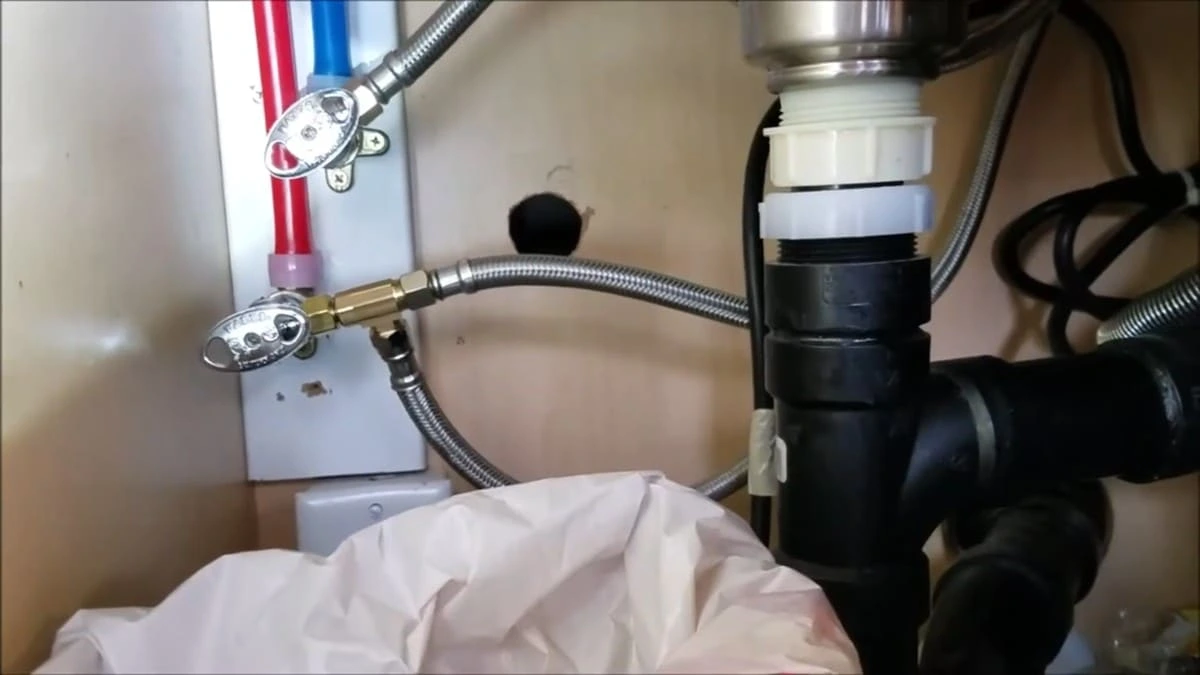
- Initial Consultation: We assess your project needs, determine the required permits, and provide an accurate timeline for the process.
- Permit Application: Our team handles the paperwork, ensuring all necessary permits are filed with the city and local authorities.
- Code Compliance Review: We review your project to ensure it meets Clovis and California plumbing codes, avoiding any potential compliance issues.
- Inspection Coordination: After installation, we schedule and coordinate the final inspection to ensure everything passes and your project is fully approved.
| Best plumber in the greater Fresno area. I’m always impressed by his responsiveness and the quality of his work. I wouldn’t hesitate to recommend him for any plumbing needs. *Positive *Responsiveness *Punctuality *Quality *Value |
Deborah W.
See our latest 5-star reviews and project photos on our Google Business Profile.
Table of Contents
Introduction
Kitchen plumbing permit work in Clovis often begins after homeowners realize the remodel involves more than replacing visible fixtures. Once walls, cabinets, or flooring are removed, existing drain routing, vent placement, gas piping, and water supply conditions can significantly affect how the project must be completed to satisfy inspection requirements. Plumbing modifications performed in California are regulated under the California Plumbing Code, while local review and inspection procedures are generally administered through the City of Clovis Building Division.
Permit planning frequently depends on how the existing kitchen infrastructure interacts with the proposed remodel layout. Drain elevations beneath slab foundations, joist direction under raised floors, appliance gas demand, and available vent access can all influence installation options before rough plumbing begins. In some homes, prior remodel work or aging piping materials may additionally require selective corrections before the system can move forward to inspection.
Proper coordination early in the remodeling process helps reduce construction delays once cabinetry, countertops, and finish materials are scheduled for installation. Evaluating these conditions beforehand allows plumbing modifications, inspection sequencing, and access requirements to be addressed before concealed areas are closed.
Common Signs This Service Is Needed
Many homeowners discover permit coordination becomes necessary after making layout decisions that affect the original plumbing configuration of the kitchen. Relocating a sink to an island, adding a secondary prep area, upgrading to a larger gas range, or repositioning appliances often changes how the drainage, venting, or supply systems must operate.
Construction planning issues can also indicate the need for professional permit oversight. Remodels involving slab trenching, wall removal, ceiling access, or appliance upgrades may require inspection scheduling at multiple phases of the project. Homeowners are sometimes unaware these inspection stages must occur before drywall, flooring, or cabinetry installation can continue.
Permit evaluation is also commonly requested when previous plumbing work appears inconsistent or undocumented. During demolition, contractors may uncover abandoned piping, inaccessible shutoff valves, unsupported drains, or older materials that complicate the remodel timeline. In these situations, determining what can remain and what requires correction becomes part of the overall planning process.
Projects involving substantial relocation of fixtures or appliance placement are often coordinated alongside broader kitchen plumbing layout changes to ensure the final kitchen configuration functions properly once construction is complete.
Local Factors That Affect This Service in Clovis
Kitchen plumbing permit work in Clovis is often influenced by how the home was originally constructed and how accessible the plumbing system remains during remodeling. Many kitchens throughout the Central Valley are built on slab foundations, which can limit drain relocation options and affect how new piping must be routed beneath the floor system.
Older residential layouts may also create spacing and venting challenges once modern fixtures or appliances are introduced into the remodel design. Cabinet dimensions, wall framing, existing sewer tie-in locations, and available attic or ceiling access can all influence how the rough plumbing is configured before inspection.
Gas appliance upgrades are another common consideration in local remodel projects. Larger cooking equipment sometimes requires evaluation of the existing gas supply system to confirm the kitchen can support the appliance safely under normal operating demand. Some remodels additionally involve related gas line installation work when existing piping capacity no longer matches the updated appliance load requirements.
Because many remodeling projects expose concealed plumbing for the first time in decades, permit planning often involves adapting the new kitchen layout around real-world field conditions that were not visible during the initial design phase.
What This Service Typically Addresses
Kitchen plumbing permit and code compliance services typically focus on technical installation conditions that affect inspection approval. This includes evaluating drain slope, vent connectivity, fixture spacing, trap configuration, water supply protection, gas pipe sizing, and accessibility of service shutoffs throughout the remodeled kitchen area.
Island plumbing installations often require additional attention because venting methods must operate correctly within limited cabinet and floor space. Incorrect vent layouts can create slow drainage, trap siphoning, or sewer gas problems that may not become noticeable until after the kitchen is fully finished.
Gas appliance upgrades may involve recalculating line capacity when higher-demand cooking equipment replaces older fixtures. In some kitchens, existing gas piping may be undersized for modern BTU requirements, requiring partial rerouting or supply upgrades before inspection approval can be obtained.
Drain relocation beneath slab foundations can additionally require coordination involving trench depth, pipe support, backfill preparation, and transition connections to the existing sewer system. Homes with overhead plumbing layouts may instead involve attic routing limitations, framing clearances, and insulation protection around exposed water lines.
During remodeling, permit review may also identify aging plumbing components that should be addressed before walls are closed. Deteriorated branch lines, active leaks, poorly supported piping, or outdated shutoff assemblies are sometimes corrected alongside related plumbing pipe repair work while the kitchen remains accessible during construction.
What to Expect During a Service Visit
The first step usually involves reviewing the existing kitchen layout and identifying which portions of the plumbing system are changing. Fixture relocation, appliance additions, gas upgrades, or structural limitations can all influence permit scope and inspection requirements.
Existing piping conditions are then evaluated to determine whether older materials or prior modifications may create compliance concerns. Homes with concealed manifold systems, attic copper routing, or slab drain lines often require additional planning before work begins.
During rough-in preparation, plumbing systems may be isolated and pressure tested depending on the type of work being performed. Water supply lines, gas piping, and drainage systems are commonly inspected before insulation and drywall installation proceed.
Inspection scheduling is coordinated around construction timing so inspectors can access visible plumbing before finishes conceal the system. If corrections are requested, adjustments are completed before final sign-off occurs.
Cost Factors That Can Change the Final Price
Kitchen plumbing permit costs vary depending on the complexity of the remodel and the extent of plumbing modifications involved. Projects that keep fixtures in their original locations generally require less labor and fewer corrections than layouts involving relocated drains or new gas appliance installations.
Foundation type can significantly influence overall pricing. Slab trenching often increases labor requirements due to demolition, excavation, concrete repair, and drain rerouting beneath finished flooring. Multi-story homes may involve additional ceiling access or wall modifications to accommodate revised vent routing.
Material condition also affects the final cost. Remodels exposing deteriorated copper, outdated galvanized systems, or inaccessible shutoff valves may require additional repairs before inspections can pass. Homes with undersized gas systems occasionally require partial line upgrades to support modern cooking equipment safely.
Permit timing can influence scheduling as well. Some projects require multiple inspection stages depending on how many systems are being modified simultaneously during construction.
Repair vs. Replacement
Not every kitchen remodel requires complete plumbing replacement. Some projects only involve limited fixture relocation or localized updates that allow portions of the original system to remain in place. When existing piping remains structurally sound and properly sized, selective modifications may be sufficient.
Other kitchens benefit from broader replacement planning once walls are opened. Aging galvanized systems, heavily repaired copper lines, or inaccessible shutoff locations may create future reliability concerns if left untouched during remodeling.
Drain systems occasionally require replacement when improper slope, repeated clog history, or older material deterioration is discovered during demolition. Venting modifications may also become necessary when fixture locations change substantially from the original kitchen design.
In some cases, homeowners decide to move forward with broader kitchen plumbing layout changes after realizing the existing configuration no longer supports appliance placement or workspace efficiency.
Access, Timing, and Household Disruption
Kitchen plumbing permit work often overlaps with demolition, cabinetry installation, flooring replacement, and electrical modifications. Scheduling coordination becomes important because plumbing inspections usually occur before insulation and drywall installation can continue.
Water shutoffs may be necessary during portions of the project depending on how much of the kitchen plumbing system is being modified. Homes with centralized manifold systems can sometimes isolate kitchen fixtures independently, while older homes may require broader temporary shutdowns.
Slab excavation can increase dust, noise, and limited kitchen access during active construction. Homes with attic plumbing modifications may involve temporary ceiling access or crawlspace entry while new lines are routed into position.
Inspection timing can occasionally affect project duration depending on permit workload and construction sequencing. Preparing the rough-in correctly before inspection helps minimize delays associated with correction notices or reinspection scheduling.
When Professional Evaluation Matters
Permit requirements are not always obvious at the beginning of a remodel. Some homeowners initially assume a kitchen upgrade only involves replacing visible fixtures, only to discover that venting limitations, gas capacity issues, or drainage concerns require more extensive planning.
Professional evaluation becomes especially important when structural changes, slab trenching, appliance relocation, or concealed piping modifications are involved. Improper drain pitch, inaccessible shutoffs, unsupported piping, or incorrect gas sizing may not become visible until after cabinets and countertops are installed.
Inspection failures during later construction stages can create substantial delays if finished surfaces must be reopened to access concealed plumbing. Evaluating these conditions early helps reduce costly revisions after reconstruction begins.
Why Experience and Licensing Matter
Kitchen plumbing permit coordination requires familiarity with both installation practices and inspection expectations. Clovis Plumbing Services operates as a father-and-daughter team without subcontracted crews, allowing homeowners to work directly with the individuals performing the plumbing and coordinating the project.
Field experience matters when evaluating older piping systems, slab routing limitations, attic access concerns, and remodel sequencing. With more than 50 years in the trades, over 40 years of plumbing experience, and 10 years of journeyman-level field work, permit planning is approached from the standpoint of real installation conditions rather than generalized remodeling assumptions.
Clovis Plumbing Services operates under California Contractor License C-36 Plumbing #1014216 and maintains $2,000,000 General Liability coverage along with active Workers’ Compensation insurance. Proper licensing and insurance coverage become especially important during permitted remodeling work where inspections, liability exposure, and long-term documentation all affect the property owner.
When to Schedule Service Confidently
Kitchen plumbing permit planning is usually easier before demolition and material ordering begin. Early evaluation helps identify whether the remodel involves fixture relocation, gas upgrades, vent modifications, slab trenching, or piping corrections that may affect inspection requirements later.
Homeowners preparing for a kitchen remodel in Clovis can benefit from understanding permit scope before cabinets, countertops, and appliance layouts are finalized. Coordinating the plumbing portion correctly from the beginning often helps prevent unnecessary delays once construction is underway.
If you are planning kitchen plumbing modifications in Clovis and want permit coordination handled alongside code-conscious installation planning, Clovis Plumbing Services can help evaluate the project scope, inspection requirements, and existing plumbing conditions before construction begins.
Frequently Asked Questions
Do kitchen plumbing remodels always require permits?
Many kitchen plumbing remodels in Clovis require permits when drains, vents, gas lines, or water supply piping are relocated or modified. Simple fixture replacements in the same location may not require approval, but larger remodels involving layout changes, appliance additions, or new plumbing connections often require inspection and permit coordination.
Can old kitchen plumbing fail inspection during remodeling?
Yes. Older kitchens sometimes contain outdated materials, improper venting, undersized drains, or previous modifications that no longer meet current code requirements. Once walls or cabinets are removed during remodeling, inspectors may require certain portions of the exposed plumbing system to be corrected before the project can receive approval.
What plumbing changes usually trigger permit requirements?
Permit requirements commonly apply when sinks are relocated, gas appliances are added, drain lines are rerouted, slab plumbing is modified, or new water supply lines are installed. Kitchen island plumbing, dishwasher additions, pot filler installations, and gas range upgrades may also require inspection depending on project scope.
How long do kitchen plumbing inspections usually take?
Most plumbing inspections themselves are relatively short once the work area is prepared and accessible. Timing often depends more on scheduling availability, project readiness, and whether corrections are needed before approval. Rough-in inspections normally occur before drywall and cabinetry installation are completed.
Can slab foundation kitchens complicate plumbing permits?
Yes. Kitchens built on slab foundations may require trenching beneath concrete when drains or water lines are relocated. Drain slope, trench depth, vent routing, and concrete repair procedures can all affect inspection requirements. These projects often require additional planning compared to kitchens with crawlspace access.
Why use a licensed plumber for permit coordination?
Licensed plumbing contractors understand inspection sequencing, code requirements, pressure testing procedures, and installation standards that affect approval. Professional oversight helps reduce delays caused by failed inspections, hidden installation issues, or improper modifications that may become expensive to correct after remodeling progresses.