- Appliance-Specific Expertise: We focus on precise water and drain connections for refrigerators, dishwashers, disposals, and under-sink filtration systems—no guesswork, no shortcuts.
- Code-Compliant Installations: Every connection is installed to current plumbing standards, with proper fittings, secure routing, and pressure testing before completion.
- Remodel-Ready Experience: We regularly coordinate appliance connections during kitchen remodels and upgrades, working cleanly around cabinetry, finishes, and existing plumbing.
- Clean Workmanship You Can Trust: Lines are neatly routed, fully tested, and left leak-free, with the work area cleaned before we leave.
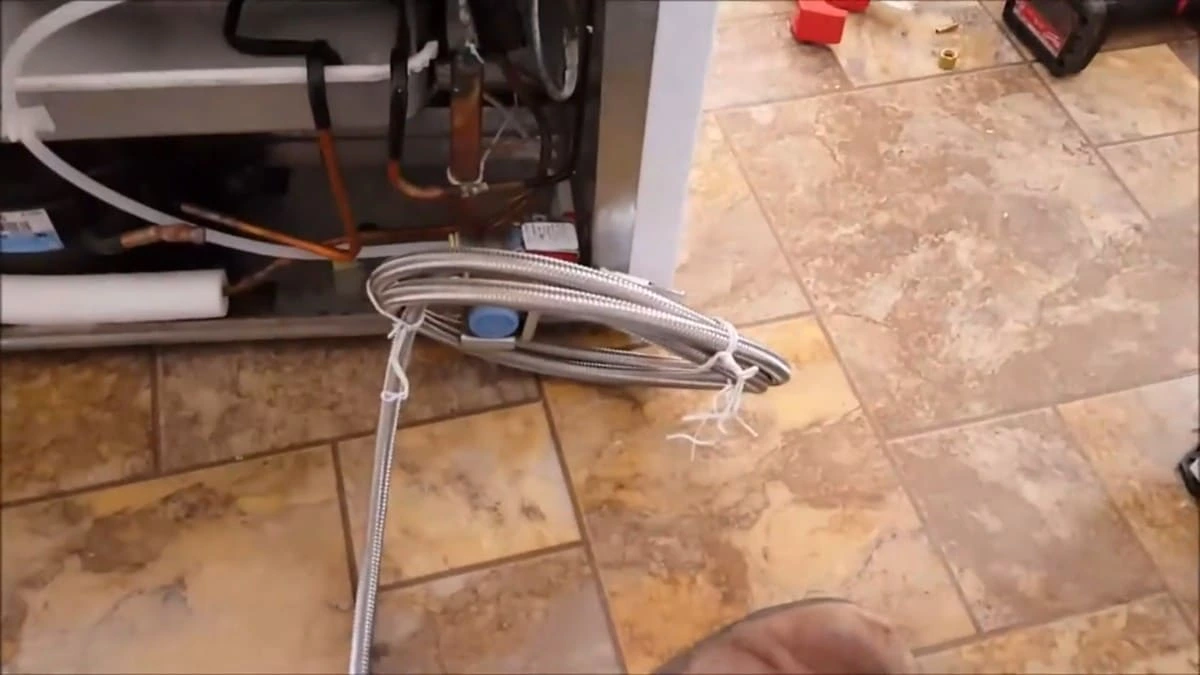
- Initial Assessment and Planning: We review the appliance location, existing supply and drain lines, and access points to confirm the correct connection method before any work begins.
- Professional Line Installation and Connections: Water and drain lines are routed cleanly, secured properly, and connected using approved fittings designed for long-term reliability.
- Pressure Testing and Leak Checks: All connections are tested under normal operating pressure to confirm proper flow and ensure there are no leaks before the appliance is placed back into service.
- Final Inspection and Clean-Up: We verify the appliance is functioning as intended, review the work completed, and leave the area clean and ready for use.
| I had Tod come out on 5/29/18 to do some work that the lazy bums at Home Depot refused to do when they came out on May 19th to install my dishwasher. Tod was extremely knowledgeable in all aspects of his profession and explained everything in full detail. He installed a garbage disposal, a kitchen faucet and a bathroom faucet for me and at very reasonable prices compared to Home Depot. Tod even made two trips to Home Depot for me for parts we needed and then proceeded to order the necessary parts for my dishwasher to be installed on Friday, something the guys at Home Depot, where I purchased the product refused to even life a finger on. This is one of the best men I’ve had the honor of meeting and very much appreciate all of his help in this situation that has caused me many sleepless nights. I can now rest much easier with Tod’s help. I could not possibly recommend anyone higher than Tod and Clovis Plumbing Services. This is a man you can trust 100%. He will be my plumber until the day he retires. Thank you very much for all your help, Tod. Awesome work. Five stars is not nearly enough. A solid gold star is what is needed for gentleman like this. |
David V.
See our latest 5-star reviews and project photos on our Google Business Profile.
Table of Contents
Introduction
Kitchen appliance connections are usually one of the final steps during a remodel, but they often expose problems that were hidden behind cabinets or beneath older sinks for years. Shut-off valves that no longer close fully, undersized drain assemblies, worn compression fittings, and brittle supply tubing are common findings during dishwasher, refrigerator, and gas range installations throughout Clovis homes. Current plumbing work in California is expected to align with standards outlined in the California Plumbing Code, while local permitting and inspection requirements may involve the City of Clovis Building Division.
Connection work can vary considerably depending on cabinet layout, appliance location, pipe material, and the age of the existing plumbing system. Some kitchens already contain modern quarter-turn valves and braided stainless supply lines, while others still rely on older angle stops that have not been operated in decades. Appliance replacement projects may also reveal drainage limitations, improper disposal tie-ins, or older gas connectors that no longer meet modern installation expectations. Careful evaluation before final hookup helps reduce the risk of leaks, drainage problems, or accessibility issues after the appliance is fully installed and pushed into place.
Common Signs This Service Is Needed
Many homeowners schedule appliance plumbing connection service while replacing an older dishwasher or refrigerator, but there are often warning signs that appear long before a new appliance arrives. Moisture beneath a sink cabinet, staining around a dishwasher opening, mineral buildup around valve stems, or intermittent ice maker leaks frequently point toward aging connection hardware rather than appliance failure itself.
Refrigerator water lines are another common source of hidden problems. Older plastic tubing routed behind cabinets can become brittle over time, especially in kitchens where appliances are regularly moved for cleaning. Small pinhole leaks may go unnoticed until flooring begins to discolor or cabinet bases soften from slow moisture exposure.
Dishwasher drainage issues can also indicate improper plumbing configuration. Units connected without a proper high loop or approved drainage arrangement may develop foul odors, slow draining conditions, or recurring backup problems during heavy sink usage. In some kitchens, homeowners notice gurgling sounds from nearby fixtures when the dishwasher drains, which can suggest venting or drain flow restrictions inside the existing plumbing system.
Gas appliance replacements create a different set of concerns. Corrosion around fittings, outdated flexible connectors, or shut-off valves that no longer operate smoothly should be evaluated before a new range or cooktop is placed into service. Small issues that appear minor during installation can become difficult to access once countertops, trim pieces, and appliances are fully reassembled.
Local Factors That Affect This Service in Clovis
Kitchen plumbing conditions vary widely throughout Clovis depending on the age of the home and the type of remodeling performed over the years. Older neighborhoods near established parts of town often contain copper systems with multiple generations of previous repairs, while newer developments may include PEX distribution systems with centralized manifolds and modern quarter-turn shut-offs.
Slab-on-grade construction common throughout the Central Valley also influences appliance connection planning. In some kitchens, drain and supply locations were designed around older appliance dimensions that no longer match modern cabinet layouts. Larger refrigerators, deeper farmhouse sinks, and wider commercial-style ranges may require adjustments to supply routing or valve placement to maintain proper clearance behind the unit.
Mineral accumulation inside shut-off valves is another issue regularly encountered during service visits in this area. Valves that appear functional externally may begin leaking once operated after years of inactivity. Rather than reconnecting a new appliance to questionable hardware, many installations involve replacing older stops before final hookup begins.
Kitchen remodels involving relocated sinks or appliance repositioning may also require coordination with larger plumbing modifications. Projects tied to Kitchen Plumbing Layout Changes sometimes involve extending drain assemblies, adjusting vent routing, or modifying water line placement to support modern appliance spacing requirements inside finished cabinetry.
What This Service Typically Addresses
Kitchen appliance plumbing connections involve far more than attaching a flexible hose to a threaded fitting. Each appliance introduces different flow requirements, drainage conditions, and accessibility considerations that affect how the system should be assembled.
Dishwasher installations commonly involve replacing older supply lines, installing or correcting drain loops, reconnecting disposal tie-ins, and verifying that shut-off valves operate correctly under pressure. Some kitchens require disposal replacement or drain modifications before the dishwasher can be connected properly.
Refrigerator hookups may include installing dedicated ice maker supply valves, replacing outdated tubing, rerouting lines through cabinetry, or extending water supplies to support relocated appliance alcoves. Careful routing is important because modern refrigerators often sit tighter against finished walls than older units.
Gas range installations require additional attention to connector sizing, shut-off accessibility, and appliance clearance. Some homes contain undersized connectors or older fittings that no longer align with modern appliance configurations. When necessary, adjustments related to Gas Line Repair may be recommended before final appliance connection is completed.
Connection work also overlaps with broader kitchen remodeling projects where multiple fixtures are being integrated at the same time. New disposals, filtration systems, pot fillers, or relocated sink assemblies often involve coordination with surrounding plumbing infrastructure to maintain reliable drainage and service accessibility after construction is complete.
What to Expect During a Service Visit
Most service visits begin with a close inspection of the existing plumbing before the appliance is moved fully into position. Water shut-offs, drain connections, gas valves, and cabinet access areas are evaluated first to identify conditions that may interfere with installation or create future service issues.
Once the plumbing system is isolated safely, older supply lines or fittings are removed and connection points are cleaned and inspected. If corrosion, stripped threads, or valve seepage are discovered, those issues are addressed before new hardware is installed. This step helps prevent situations where a small hidden leak appears only after the appliance has already been placed back into the cabinet opening.
Routing also plays a major role during installation. Dishwasher drain hoses must avoid kinks and maintain proper elevation. Refrigerator tubing should allow enough movement for future appliance servicing without placing stress on fittings. Gas connectors require proper alignment without twisting or overextension behind the appliance body.
After installation, the system is tested under normal operating conditions. Dishwashers are checked during drain cycles, refrigerator connections are monitored under pressure, and gas fittings are inspected carefully for leakage before the appliance is returned to full operation.
Cost Factors That Can Change the Final Price
Kitchen appliance connection pricing depends heavily on the condition of the existing plumbing system and the accessibility of the installation area. Straightforward replacements involving modern valves and easily accessible connections generally require less labor than installations involving deteriorated fittings or cabinetry restrictions.
Valve replacement is one of the most common variables affecting final cost. Older angle stops may fail during operation or begin leaking once disturbed. In some kitchens, drain assemblies or disposal connections also require correction before a dishwasher can be reconnected safely.
Appliance location can influence labor time as well. Refrigerators positioned across the kitchen from the nearest water supply may require extended tubing routes through cabinetry or crawlspaces. Tight cabinetry tolerances around built-in appliances can also increase installation complexity.
Gas appliance installations sometimes involve connector upgrades or adjustments to the shut-off configuration depending on appliance BTU requirements and local accessibility standards. Homes with previous remodel work occasionally contain nonstandard modifications that require additional correction before the installation can proceed safely.
Repair vs. Replacement
Not every kitchen appliance connection issue requires complete replacement of the surrounding plumbing system. In many cases, isolated valve replacements, updated supply lines, or corrected drain routing can restore safe operation without major reconstruction.
However, recurring leaks, corroded fittings, or multiple layers of older modifications may indicate that replacement is the better long-term option. Some kitchens contain pieced-together connections from several previous appliance swaps, creating difficult access conditions and unreliable sealing surfaces behind finished cabinetry.
When deterioration extends beyond the immediate appliance area, larger repairs involving Plumbing Pipe Repair may become necessary to restore dependable water flow and eliminate hidden leakage risks behind walls or beneath flooring.
Professional evaluation becomes especially important when moisture damage has already affected cabinetry, flooring, or adjacent drywall. Simply reconnecting a new appliance without correcting the underlying plumbing condition often leads to repeat service calls later.
Access, Timing, and Household Disruption
Most appliance plumbing connections can be completed within a single visit, although accessibility plays a major role in scheduling and labor time. Tight cabinet layouts, oversized appliances, or limited shut-off access may require additional preparation before installation begins.
Occupied homes often require careful coordination during kitchen service because water usage, cooking access, and appliance movement can temporarily affect normal household routines. Protective floor coverings, controlled appliance handling, and organized staging help reduce disruption during the work.
Some projects tied to larger Kitchen Plumbing Remodeling efforts may involve multiple visits depending on countertop installation schedules, cabinetry completion, or inspection timing. Coordination becomes especially important when several trades are working simultaneously inside the same kitchen space.
When Professional Evaluation Matters
Connection work that appears simple on the surface can become more complicated once existing plumbing conditions are exposed. Shut-off failures, hidden corrosion, improper drain routing, and outdated gas connectors are issues frequently discovered only after appliances are removed from their original locations.
Improper installations often remain hidden for long periods because small leaks develop slowly behind cabinets where homeowners rarely look. By the time damage becomes visible, flooring materials, cabinet framing, or drywall may already require repair.
Gas appliances introduce an additional layer of safety concerns because connector sizing, sealing methods, and valve accessibility all affect long-term operation. Professional evaluation helps identify these conditions before the appliance is returned to service.
Why Experience and Licensing Matter
Kitchen appliance plumbing connections involve working within confined finished spaces where small mistakes can create significant property damage later. Accurate fitting selection, pressure testing, drainage evaluation, and gas safety procedures require practical field experience rather than basic assembly knowledge alone.
Clovis Plumbing Services operates as a father-and-daughter plumbing company without subcontracted crews moving between unrelated jobsites. Calls are handled directly, and service work is performed with the same attention to detail that comes from decades spent working inside occupied homes throughout the Central Valley.
That experience includes more than 50 years in the trades overall, over 40 years of plumbing experience, and 10 years working at the journeyman level before operating independently. Licensing remains active under California Contractor License C-36 Plumbing #1014216, along with $2,000,000 General Liability coverage and active Workers’ Compensation insurance.
Experience becomes especially important during remodeling work because appliance installations frequently intersect with older plumbing conditions, hidden access limitations, and previous repair work that cannot be identified from the outside alone.
When to Schedule Service Confidently
Scheduling professional appliance connection service is usually worthwhile before visible leakage, drainage backups, or valve failures begin affecting surrounding finishes. Replacing aging connectors, correcting improper drain routing, and evaluating shut-off reliability during appliance replacement can help prevent larger repair issues later.
If you are preparing for a kitchen remodel, replacing a dishwasher or refrigerator, or upgrading a gas cooking appliance in Clovis, scheduling service before the final appliance delivery date often allows enough time to address any hidden plumbing issues discovered during inspection. Clovis Plumbing Services can evaluate the existing setup, explain any limitations found during the visit, and complete clean, code-conscious appliance plumbing connections designed for long-term reliability.
Frequently Asked Questions
Can old shut-off valves leak after appliance replacement?
Yes. Older shut-off valves in Clovis kitchens often begin leaking after they are turned for the first time in years. Mineral buildup and worn internal seals can fail once the valve is operated during appliance replacement. Many installations include replacing aging valves before reconnecting a dishwasher, refrigerator, or gas range.
Do refrigerator water lines need to be replaced?
Many older refrigerator water lines should be replaced during appliance installation. Plastic tubing can become brittle over time and may crack when the refrigerator is moved. New braided or approved tubing materials help improve reliability and reduce the risk of hidden leaks behind cabinetry or finished walls.
Why does my dishwasher smell after installation work?
Dishwasher odors often develop when the drain hose lacks a proper high loop or approved drainage configuration. Without correct routing, dirty sink water can flow backward into the appliance during draining cycles. Proper drain installation helps prevent standing water, slow drainage, and recurring odor problems.
Can gas ranges use existing flexible connectors safely?
Not always. Older gas connectors may be undersized, damaged, or incompatible with newer appliance requirements. During installation, connectors are evaluated for condition, sizing, and accessibility. Replacing outdated gas connectors can help improve safety and support proper appliance operation after installation is complete.
How long do kitchen appliance plumbing connections last?
Connection lifespan depends on water quality, material type, installation quality, and appliance movement over time. Braided supply lines and modern shut-off valves typically last much longer than older plastic tubing or deteriorated compression fittings. Regular inspection helps identify leaks before visible damage develops.
Can appliance hookups require plumbing code corrections?
Yes. Appliance replacement sometimes reveals improper drain routing, missing shut-offs, inaccessible gas valves, or outdated connection materials. Correcting these conditions during installation helps improve safety, drainage performance, and long-term serviceability while aligning the plumbing work with current installation expectations.