- Restored Gas Flow Capacity: Targeted repairs correct undersized, restricted, or failing sections—restoring proper gas delivery to meet the BTU demands of connected appliances.
- Code-Compliant Corrections: Repairs are completed in accordance with the California Plumbing Code and local Clovis requirements, addressing improper fittings, outdated components, or prior non-compliant work.
- Safe, Leak-Free Operation: Replacing leaking valves, deteriorated piping, and faulty connections eliminates hazardous gas escape and restores system integrity.
- Improved System Reliability: Properly executed repairs stabilize gas pressure and flow, preventing interruptions, inconsistent appliance performance, or fuel starvation issues.
- Durable, Long-Term Fixes: Use of approved gas-rated materials and correct installation methods ensures repaired sections perform reliably and resist future corrosion or failure.
- Corrected Gas Line Sizing: Repairs address undersized or restricted lines—restoring proper capacity to meet appliance BTU demands and eliminate performance issues.
- Code-Compliant Routing Fixes: Improper routing and clearance issues are corrected to align with California Plumbing Code requirements and safe gas line installation standards.
- Retrofit Repairs for Older Systems: Aging or outdated gas piping in older homes is repaired or updated to safely support modern appliances and gas loads.
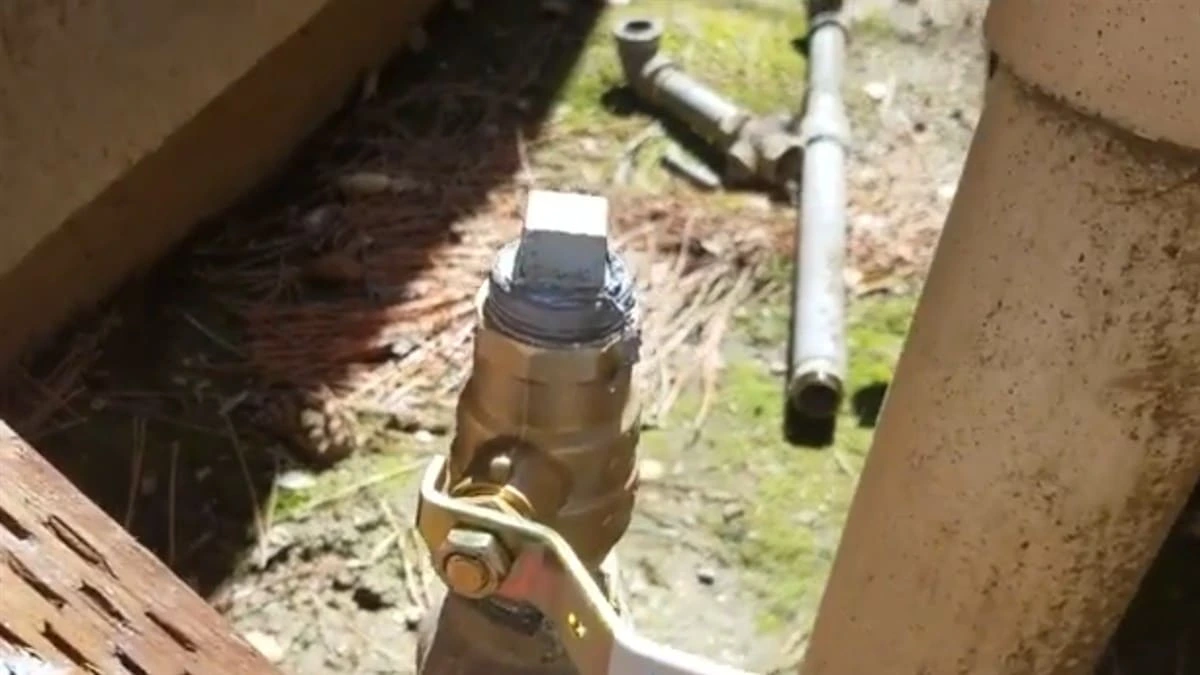
- Secure Connection Repairs: Faulty valves, loose fittings, and compromised joints are replaced with properly installed, gas-rated components to maintain consistent pressure and prevent leaks.
- System Pressure & Leak Testing: Repaired systems are fully pressure tested and checked for leaks to verify safe operation before being returned to service.
- Permit & Compliance Corrections: Non-compliant or previously unpermitted work is brought up to current standards to meet local Clovis safety and inspection requirements.
| I will start off by saying I used Yelp to find the right company for my needs. Seeing the great reviews for CPS, I gave them a call. It was the best decision I could make! Tod responded to my phone call right away, listened intently to my needs, told me what he could do and not do for me and then set up my appointment. He was meticulous with the install and even took some time to show me an issue with my hot water heater that I can fix myself. Definitely recommend and will use again when needed!! |
Derrick M.
See our latest 5-star reviews and project photos on our Google Business Profile.
Table of Contents
Introduction
Understanding how gas systems behave inside a home requires more than just looking at exposed piping. What often appears to be a simple leak or valve failure can be tied to pressure imbalance, material fatigue, or installation conditions that have changed over time. In Clovis homes, gas line repairs are shaped not only by the original install, but by usage patterns, appliance upgrades, and environmental exposure.
Industry standards such as the California Plumbing Code, and local oversight through the City of Clovis Building Division all influence how gas line repairs are performed and verified. These frameworks exist to ensure that once a repair is completed, the system operates safely under real-world conditions, not just at the moment of installation.
Common Signs This Service Is Needed
Gas line issues rarely begin with an obvious failure. In many cases, the early indicators are subtle and easy to overlook until the system is under higher demand. A faint gas odor near an exterior wall, intermittent appliance shutdowns, or a pilot light that struggles to stay lit can all point to underlying problems.
Another pattern seen frequently involves inconsistent performance across multiple fixtures. A stove may function normally while a water heater begins showing irregular heating cycles. This type of imbalance often traces back to pressure inconsistencies or partial restrictions within the line. Situations like this are sometimes first identified during a broader plumbing inspection, where system-wide conditions are evaluated together.
Outdoor conditions can also reveal hidden issues. Discolored vegetation above buried lines, corrosion on exposed piping, or aging shutoff valves that no longer fully close are all warning signs that should not be ignored. When these symptoms appear together, they typically indicate that the system has reached a point where repair is necessary rather than optional.
Local Factors That Affect This Service in Clovis
Clovis properties present a mix of installation styles depending on when the home was built. Older neighborhoods often rely on legacy materials and routing methods that were standard decades ago but may no longer align with current requirements. Newer developments, on the other hand, tend to use updated materials but can still develop issues due to soil movement or installation shortcuts.
Seasonal temperature changes also play a role. Expansion and contraction of piping, especially in attic or exterior installations, can introduce stress at connection points over time. This is where leaks often begin—not at the center of a pipe, but at fittings and transitions.
Soil composition in parts of the Central Valley can accelerate corrosion for underground lines if protective coatings or sleeving were not installed correctly. In some cases, these underground failures are discovered alongside other system issues similar to those seen in water line repair scenarios, where environmental conditions contribute to long-term deterioration.
What This Service Typically Addresses
Gas line repair is rarely just about replacing a single component. In many cases, the visible issue is only part of a broader condition affecting the system. A leaking valve, for example, may be the result of upstream pressure irregularities or material wear that has developed over years of use.
Repairs often involve isolating the affected section, removing compromised piping, and installing new, properly rated materials. Connection points are re-established using approved methods designed to maintain consistent pressure and prevent future leakage.
In situations where improper routing or unsupported sections are discovered, adjustments are made to correct alignment and reduce stress on the system. This type of correction is critical because even a properly sealed connection can fail prematurely if the pipe is under constant strain.
What to Expect During a Service Visit
A typical service visit begins with a controlled evaluation of the gas system. This includes identifying where pressure loss is occurring and determining whether the issue is localized or affecting a larger portion of the line. Access points are opened as needed to inspect both visible and concealed sections.
Once the source is confirmed, the affected area is isolated to prevent further gas movement during the repair. Damaged components are removed, and replacement materials are installed with attention to alignment, support, and connection integrity.
After installation, the system is subjected to a pressure test. This step is essential because it verifies that the repair holds under controlled conditions before gas is reintroduced. Only after passing this verification is the system returned to normal operation.
Cost Factors That Can Change the Final Price
The cost of gas line repair varies based on more than just the length of pipe being replaced. Accessibility is one of the largest factors. Repairs inside walls, attics, or underground require additional time and effort compared to exposed exterior piping.
Material type also influences pricing. Some systems use older materials that are no longer compatible with modern components, requiring transitions or partial upgrades during the repair process.
Another consideration is whether the issue is isolated or part of a larger condition. A single leaking valve may be straightforward, but if multiple sections show signs of deterioration, the scope can expand quickly. In these cases, the goal is to address the root cause rather than performing repeated short-term fixes.
Repair vs. Replacement
Deciding between repair and replacement depends on the overall condition of the system. When damage is limited to a specific section and the surrounding piping remains in good shape, a targeted repair is often sufficient.
However, when multiple areas show wear, corrosion, or previous patchwork repairs, replacing a larger portion of the line may provide a more reliable outcome. This is especially true in older homes where original materials have reached the end of their service life. Some homeowners encounter similar decision points when comparing localized fixes versus full updates in projects like plumbing repipe work.
In practice, the decision is based on what will provide the most stable and predictable performance moving forward, not just what resolves the immediate issue.
Access, Timing, and Household Disruption
Gas line repairs are planned to minimize disruption, but the level of impact depends on where the issue is located. Exterior repairs are typically more straightforward and can often be completed with minimal interruption.
Interior work may require opening walls or accessing attic spaces, which adds time and coordination. In these cases, the focus is on completing the repair efficiently while maintaining a clean and controlled work area.
Timing is also influenced by whether coordination with the utility provider is required. Some repairs involve temporary shutoff of the gas supply, which must be restored only after the system passes inspection and testing.
When Professional Evaluation Matters
Gas systems operate under conditions that are not visible during normal use. Pressure levels, flow rates, and connection integrity all play a role in overall performance, but these factors cannot be accurately assessed without proper tools and experience.
Attempting to diagnose or repair gas lines without this understanding introduces significant risk. Even a small error in connection or material selection can lead to leaks that are not immediately apparent.
Professional evaluation ensures that the system is not only repaired but also assessed as a whole. This approach helps identify contributing factors that may otherwise go unnoticed, reducing the likelihood of recurring issues.
Why Experience and Licensing Matter
Working on gas lines is not the same as general plumbing. It requires a clear understanding of fuel systems, pressure behavior, and code requirements that are specific to gas applications. This is where experience becomes critical.
Clovis Plumbing Services operates as a father-and-daughter team, handling each project directly without outsourcing. That continuity matters because the person diagnosing the issue is the same person performing the repair. With over five decades in the trades and more than 40 years focused on plumbing, the work reflects real field experience rather than delegated labor.
All repairs are completed under California Contractor License C-36 Plumbing #1014216, with $2,000,000 in general liability coverage and active workers’ compensation. These are not just credentials—they represent accountability for the work being performed and the conditions it must meet.
When to Schedule Service Confidently
If signs of gas line issues are present, waiting rarely improves the situation. What begins as a minor leak or pressure inconsistency can develop into a larger problem as materials continue to degrade.
Scheduling service becomes the right step when there is uncertainty about system condition or when performance begins to change. For direct scheduling or questions about availability, you can visit the contact page to connect with the team.
Frequently Asked Questions
What are early signs of gas line issues at home?
Subtle indicators often appear before a major problem develops. You may notice a faint gas odor, inconsistent appliance performance, or pilot lights that won’t stay lit. These signs suggest pressure imbalance or minor leakage. Addressing them early helps prevent larger, more complex repairs later.
Is gas line repair required for small leaks?
Yes, even a minor leak requires proper repair. Small leaks can worsen over time and may not remain contained. A professional repair ensures the affected section is removed or corrected, and the system is tested to confirm it is fully sealed before being returned to service.
How is a gas line tested after repairs?
After repairs are completed, the system is pressurized using air or an inert gas. The pressure is monitored over a set period to confirm stability. If the pressure holds without loss, the system is considered sealed and safe for operation.
Can older gas lines still be repaired safely?
Older systems can often be repaired, but the surrounding material condition must be evaluated. If only one section is affected, a localized repair may work. If multiple areas show wear, replacing larger portions may provide a more reliable solution.
Do repairs require shutting off the gas supply?
In most cases, yes. The gas supply is temporarily shut off to allow safe removal and replacement of damaged components. Once repairs are complete and the system passes testing, the supply can be restored.
How long does a typical gas line repair take?
Repair time depends on location and complexity. Simple exterior repairs may be completed within a few hours, while interior or concealed work can take longer. Additional time may be required if coordination with inspections or utility services is needed.