- System-Wide Evaluation Experience – We assess water heaters, supply lines, drains, fixtures, and accessible gas piping together to understand how each component affects overall system performance.
- Pressure & Material Awareness – Our inspections account for common Central Valley conditions such as hard water buildup, aging copper, and PEX system configurations found in Clovis homes.
- Code-Conscious Review – Visible plumbing installations are evaluated with current California plumbing and safety standards in mind to identify potential compliance concerns.
- Clear, Practical Reporting – Findings are explained in straightforward terms so homeowners understand system condition, maintenance priorities, and realistic next steps without unnecessary work.
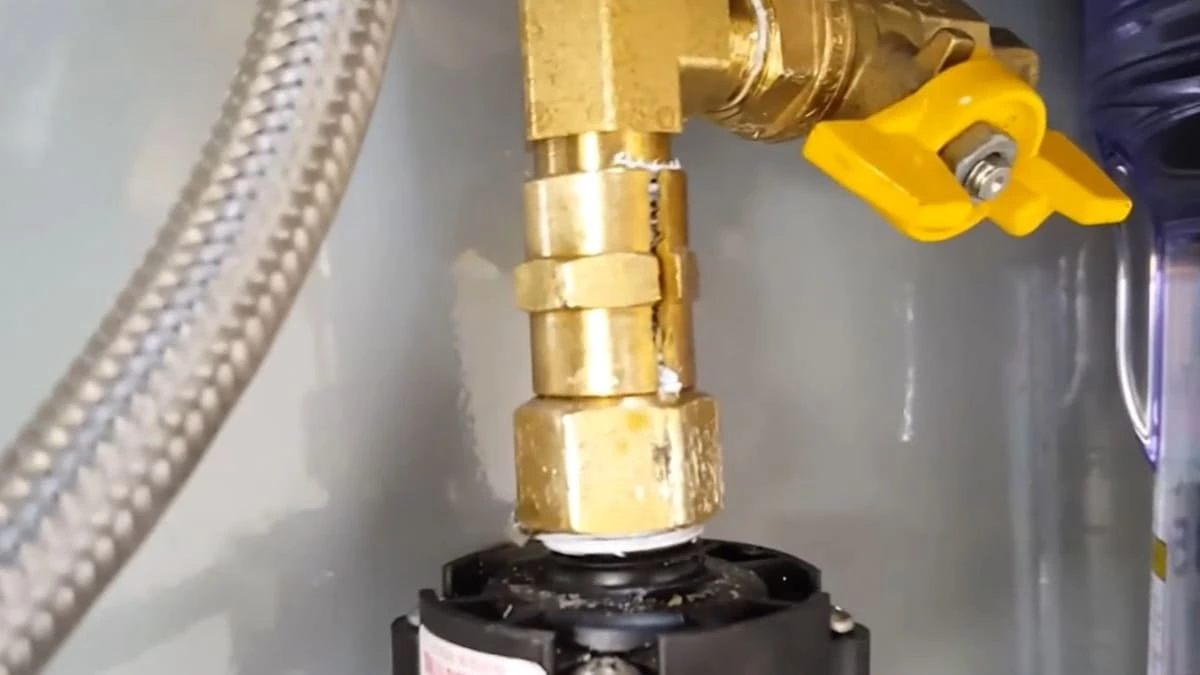
- Initial System Review – We begin with a walkthrough of accessible plumbing components, including fixtures, shutoff valves, visible supply lines, drain connections, and the water heater.
- Water Pressure Testing – System pressure is measured to identify potential regulator issues, high-pressure conditions, or performance limitations affecting fixtures and appliances.
- Component Condition Assessment – Visible piping, fittings, and connections are checked for corrosion, mineral buildup, loose fittings, or signs of active or past leaks.
- Findings & Recommendations – After the evaluation, we clearly explain what is functioning properly, what may require attention, and practical next steps based on safety, performance, and long-term reliability.
| I am very happy with Clovis Plumbing installing a new water heater (1/28/23). Tod told me which brands had better repair records so I could make the right choice. He upgraded all shut off valves and connectors from what I had so it will last longer without problems. He was timely, very professional, very courteous, and well prepared. He explained what he was doing and why. I felt respected as a customer and well taken care of. He will be my go to plumbing service and he has already done a second job for me which could be another 5 star review. |
Gordon F.
See our latest 5-star reviews and project photos on our Google Business Profile.
Table of Contents
Introduction
Residential plumbing systems often develop small performance changes long before major failures occur. Pressure inconsistencies, aging shutoff valves, mineral accumulation, outdated piping materials, or improper past modifications may remain unnoticed until remodeling begins or a property changes ownership. A structured inspection helps identify these conditions early while systems are still accessible and functioning.
Inspection standards and plumbing requirements are shaped by both local infrastructure conditions and broader regulatory guidance. Homeowners researching water quality and plumbing efficiency can review information published by the EPA WaterSense program. Plumbing installation requirements are governed under the California Plumbing Code, while permitting and municipal infrastructure information for local properties can be reviewed through the City of Clovis.
Most evaluations concentrate on operational performance, material condition, installation quality, and accessibility throughout the home’s plumbing system. The goal is to identify material condition, installation quality, aging concerns, drainage performance indicators, and operational irregularities that could affect future repairs or renovation planning.
Common Signs This Service Is Needed
Some homeowners schedule inspections during escrow or before remodel work begins, while others request evaluations after noticing changes in day-to-day plumbing behavior. Small warning signs are often dismissed because the system still technically works, but gradual deterioration usually becomes more expensive once surrounding finishes or cabinetry are affected.
Older shutoff valves may become difficult to operate after years without use. Fixtures can begin producing uneven pressure between hot and cold sides. Water heaters sometimes show signs of age through rust staining near connections, delayed recovery, or scale accumulation inside the tank. Homes with prior plumbing alterations may also contain mixed materials, unsupported piping, or fittings installed without proper transition methods.
Drainage concerns are another common reason inspections are requested. Repeated slow drains in different areas of the home can indicate larger system restrictions rather than isolated fixture clogs. In slab-on-grade homes common throughout Clovis neighborhoods, homeowners occasionally request evaluations before flooring replacement or bathroom remodeling to better understand pipe routing and access limitations.
Real estate transactions also create demand for professional plumbing assessments. Buyers often want confirmation that visible systems appear functional and reasonably maintained before finalizing escrow. Sellers sometimes schedule inspections proactively to reduce negotiation surprises later in the process.
Local Factors That Affect This Service in Clovis
Clovis properties vary considerably depending on construction era, builder practices, and subdivision design. Mid-century homes may contain older copper systems with visible oxidation near fittings, while newer developments frequently use PEX distribution systems with centralized manifold layouts. Inspection methods differ because each material ages differently and presents different service concerns.
Hard water conditions throughout the Central Valley influence plumbing wear patterns in many homes. Mineral accumulation commonly affects fixture cartridges, angle stops, water heater performance, and threaded connections. Scale buildup may also reduce efficiency inside tankless water heaters if maintenance intervals are ignored.
Local construction styles influence accessibility as well. Slab foundations limit direct access to underground drain and supply lines compared to raised-floor homes. Attic-installed water heaters, narrow crawlspaces, and tightly framed utility walls can extend inspection time because components require additional access preparation.
Gas appliance configurations are another local consideration. Many properties include gas water heaters, ranges, fireplaces, and outdoor appliance connections. Visible gas piping, sediment traps, venting clearances, and appliance shutoffs are evaluated differently than standard water distribution components because combustion safety becomes part of the assessment.
Properties that have undergone multiple remodels over several decades often reveal a combination of installation methods from different eras. It is not unusual to find copper transitioning into PEX through several generations of repairs, especially in older kitchens and bathrooms where fixtures were upgraded at different times.
What This Service Typically Addresses
A residential plumbing inspection evaluates operating conditions that can influence future reliability, accessibility, and repair planning. The process usually begins at the main service entry before moving through fixture groups, appliance connections, drainage components, and exposed piping.
Supply-side observations may include pressure irregularities, unsupported lines, corrosion near fittings, aging shutoff valves, dielectric connection concerns, or improper material transitions. Water heaters are commonly reviewed for venting configuration, seismic bracing, combustion clearance, sediment conditions, and visible connection wear.
Drainage evaluations typically focus on visible trap assemblies, fixture drainage behavior, improper slope indicators, abandoned piping, or evidence of recurring backups. In homes with additions or converted spaces, inspections sometimes reveal older drainage modifications that no longer match current plumbing practices.
Fixture operation also provides useful information. Faucets, tub valves, toilets, and appliance connections can expose hidden system problems through pressure fluctuation, delayed shutoff, vibration, hammering, or inconsistent temperature balance. These operational symptoms often point toward broader system conditions rather than isolated fixture defects.
When additional diagnostics appear necessary, homeowners may later schedule targeted services such as drain cleaning, sewer camera inspection, rerouting work, or water heater repair depending on what is discovered during the evaluation.
What to Expect During a Service Visit
Most residential inspections begin with a walkthrough to identify fixture locations, utility access points, and known homeowner concerns. The process remains non-invasive unless additional testing is separately approved later.
Pressure readings are normally taken during the visit to evaluate operating range and identify possible regulator issues. Fixture groups may then be operated individually to observe drainage speed, shutoff response, temperature consistency, and pressure recovery behavior.
Water heater areas are typically reviewed carefully because they contain multiple system interfaces at once. Venting, gas connections, seismic strapping, temperature-pressure discharge routing, and nearby shutoffs are all evaluated together within the same area.
Attics, garages, under-sink cabinets, laundry connections, and exterior hose bibs are common inspection points because exposed piping is usually accessible there. In some homes, prior repair history becomes visible through patched drywall, abandoned valves, capped lines, or mixed piping materials.
Once the walkthrough is complete, findings are explained in practical terms rather than technical jargon alone. Some conditions may simply reflect normal aging, while others could justify future budgeting or corrective work. The goal is to provide usable information rather than create unnecessary alarm.
Cost Factors That Can Change the Final Price
Inspection pricing varies according to property size, accessibility, fixture count, and evaluation scope. Smaller single-story homes with exposed utility access generally require less time than large multi-bathroom properties with complicated layouts.
Accessibility conditions influence labor significantly. Narrow crawlspaces, limited attic clearance, blocked shutoff areas, or heavily finished utility walls increase inspection time because technicians must work more carefully around restricted spaces.
Older homes may also require additional evaluation due to layered repair history. Mixed piping materials, multiple remodel phases, or visible code inconsistencies often extend documentation and operational testing requirements, especially before larger projects such as bathroom plumbing remodeling or kitchen renovations.
Some homeowners request expanded assessments before major renovation work or property purchases. Additional reporting, sewer diagnostics, hydrostatic testing, or appliance-specific evaluations may be scheduled separately depending on project goals.
Properties with multiple water heaters, detached structures, outdoor kitchens, or extensive gas appliance systems can also increase total inspection scope compared to standard residential layouts.
Repair vs. Replacement
Not every issue discovered during an inspection requires immediate replacement. Many plumbing systems contain isolated wear points that can be repaired effectively without disturbing the surrounding infrastructure.
Localized valve failures, individual fixture leaks, aging supply connectors, or accessible piping corrosion are often manageable through targeted repairs. In these situations, the remaining system may still provide years of reliable service when properly maintained.
Replacement discussions become more realistic when deterioration affects larger portions of the system or when repair access becomes increasingly destructive. Repeated slab leaks, extensive corrosion, incompatible past modifications, or severely outdated materials may shift the long-term cost balance toward partial or full replacement planning.
Inspection findings help homeowners understand where their property falls within that spectrum. The decision is rarely based on a single issue alone. Age, accessibility, repair history, remodeling plans, and future ownership goals all influence whether repair or replacement makes practical sense.
Homeowners comparing broader upgrade options can also review related residential plumbing solutions through the main services page.
Access, Timing, and Household Disruption
Plumbing inspections generally create minimal disruption because walls and floors remain unopened during the process. Most evaluations are completed within a single visit, although larger properties or limited-access conditions can extend scheduling windows.
Access preparation still matters. Utility closets, under-sink storage areas, garage water heater locations, and attic openings should remain reachable before the appointment begins. Homes with pets, locked side yards, or restricted crawlspace entry may require additional coordination.
Scheduling inspections before remodeling or flooring replacement often reduces future disruption because system concerns can be identified while access remains simpler. Waiting until cabinetry, tile, or finish materials are already installed frequently increases future repair complexity if hidden issues later appear.
In occupied homes, the process is usually straightforward because water shutoffs are brief and localized when testing is necessary. Most fixture operation and evaluation occurs without extended service interruption.
When Professional Evaluation Matters
Visible plumbing systems can appear functional even when underlying problems are developing slowly. Minor pressure changes, intermittent drainage issues, or gradual material deterioration are easy to overlook without direct field experience.
Professional evaluation becomes especially important when homes contain older piping materials, undocumented remodel work, recurring repair history, or inaccessible plumbing routes beneath slabs and inside finished walls. Identifying warning signs early often improves planning flexibility and reduces emergency repair situations later.
Inspection experience also matters because plumbing systems rarely fail in identical ways. Two homes built during the same year may present completely different conditions depending on water quality exposure, maintenance history, installation methods, and prior repair quality.
Understanding those distinctions requires practical field observation rather than checklist-only evaluation.
Why Experience and Licensing Matter
Residential inspections involve more than identifying visible wear. They require understanding how plumbing systems behave over time under real operating conditions. Homes throughout Clovis include multiple generations of construction methods, fixture technologies, and piping materials that must be interpreted accurately during evaluation.
This work is performed directly by a father-and-daughter plumbing team rather than subcontracted crews. The same person answering the phone is involved in the actual field service process, allowing homeowners to discuss conditions directly with the contractor performing the inspection.
Clovis Plumbing Services operates under California Contractor License C-36 Plumbing #1014216 with $2,000,000 General Liability coverage and active Workers’ Compensation insurance. That licensing background matters because plumbing evaluations often involve gas systems, combustion safety, drainage behavior, pressure regulation, and code-related installation concerns that require experienced judgment.
Field experience also influences how recommendations are communicated. After decades working inside residential plumbing systems, many conditions can be evaluated within the broader context of accessibility, future repair feasibility, and actual long-term maintenance expectations rather than isolated symptoms alone.
When to Schedule Service Confidently
Scheduling an inspection makes sense when homeowners want a clearer understanding of existing plumbing conditions before larger decisions are made. Property purchases, remodel planning, recurring minor plumbing issues, aging equipment, or long-term maintenance budgeting are all common reasons homeowners request evaluations.
If your home’s plumbing system has not been professionally reviewed in years, a structured inspection can provide useful clarity about material condition, operational performance, and future repair priorities without requiring invasive work.
To schedule a plumbing inspection in Clovis, contact Clovis Plumbing Services directly for availability and project evaluation.
Frequently Asked Questions
Can inspections find hidden plumbing leaks?
Standard inspections focus on visible and accessible plumbing components rather than concealed piping behind walls or underground. However, experienced evaluation can often identify indirect warning signs such as pressure irregularities, corrosion patterns, moisture staining, or abnormal fixture behavior that may justify additional diagnostic testing later.
Should older homes be inspected more often?
Homes with aging plumbing materials typically benefit from more frequent evaluation because wear patterns accelerate over time. Older shutoff valves, copper joints, galvanized piping, and outdated fixture connections can deteriorate gradually without immediate failure. Periodic inspections help identify developing concerns before larger repairs become necessary.
Does hard water affect plumbing system lifespan?
Hard water conditions common throughout the Central Valley can shorten the service life of fixtures, water heaters, valves, and appliance connections. Mineral accumulation gradually affects internal flow areas, sealing surfaces, and heating efficiency. Inspection findings often reveal scale-related wear that homeowners may not notice during normal daily use.
Can plumbing inspections help during remodeling?
Yes. Evaluations performed before kitchen or bathroom remodeling often identify outdated shutoffs, undersized drain lines, aging supply materials, or pressure limitations that could complicate renovation work later. Understanding existing system conditions before construction begins usually improves planning accuracy and reduces unexpected project delays.
Are sewer cameras included with inspections?
Sewer camera inspections are usually considered separate diagnostic services unless specifically included within the project scope. Standard residential evaluations primarily focus on visible plumbing infrastructure and accessible operational testing. Additional drain diagnostics may be recommended if recurring backups or larger drainage concerns become apparent during inspection.
How long do most inspections usually take?
Most residential plumbing inspections take roughly sixty to ninety minutes depending on property size, fixture count, accessibility conditions, and overall system complexity. Homes with multiple water heaters, difficult attic access, extensive remodel history, or detached structures may require additional time to complete a thorough evaluation properly.