- No More Drips or Stress: We handle the annoying leaks and broken pipes quickly, so you can enjoy your shower again—no hidden fees, just clear pricing.
- The Perfect Temperature, Every Time: Our Clovis-based pros fix stiff handles and finicky valves, saving you from a total replacement while restoring total control.
- Invisible Fixes for Visible Peace of Mind: We find those tricky leaks behind the walls and fix the root cause, keeping your home dry and safe.
- A Shower You’ll Love to Use: Ready for a refresh? We install modern, high-quality fixtures and valves that look great and work even better.
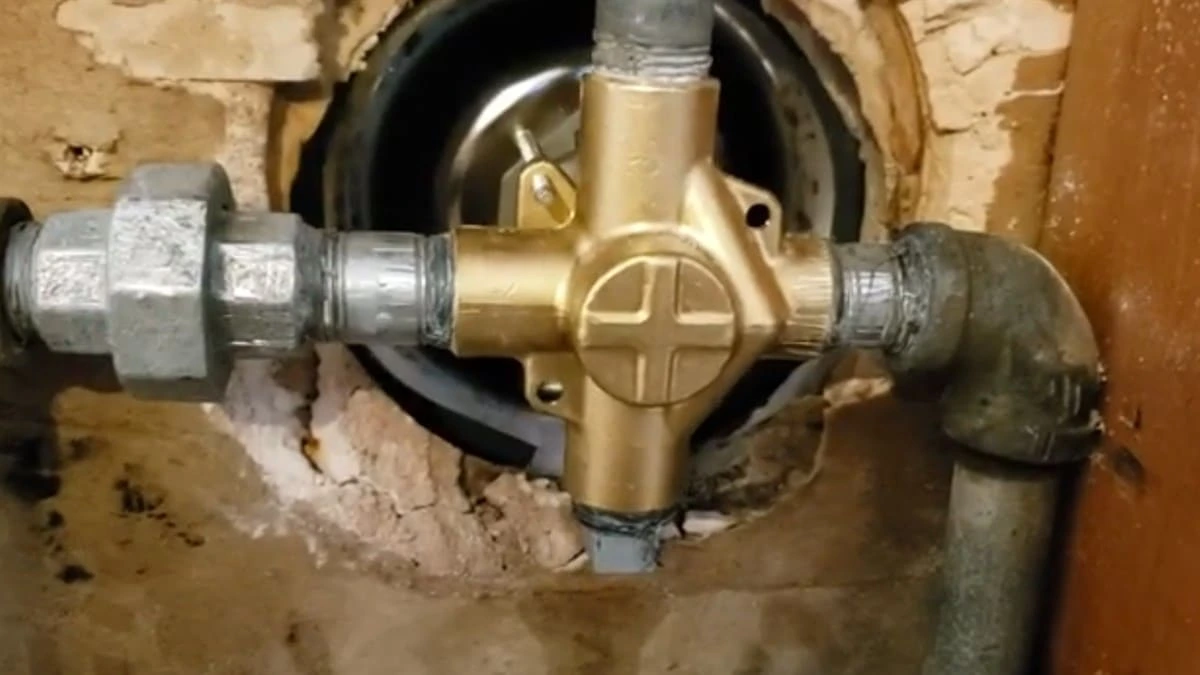
- OEM Cartridge & Stem Upgrades: We source and install genuine Moen, Delta, or Kohler internal valves to eliminate leaks and restore smooth handle operation without needing a full trim replacement.
- Internal Seal & Gasket Replacement: We swap out aged O-rings and perished gaskets for high-grade new seals to prevent water from bypassing the valve and leaking into the wall cavity.
- High-Performance Showerhead Installation: We replace clogged or failing showerheads with new, high-efficiency models to instantly restore a powerful, even spray pattern.
- Valve & Hard-Pipe Integrity: We replace corroded or failing shower valves and secure the rigid pipe connections behind the wall to ensure your system is leak-free and built to last.
| Fantastic and professional service! One of the best service calls I have experienced in the last few years. Clovis Plumbing came out and installed a new shower cartridge to replace the one my landlord faultily installed just two months ago. From quote call to finished install in just over an hour. Wow! 10/10 would recommend in the future and definitely giving these guys a call when something else comes up. |
James L.
See our latest 5-star reviews and project photos on our Google Business Profile.
Table of Contents
Introduction
Shower problems rarely stay isolated to the surface you can see. What begins as a slight drip behind the handle or a change in water pressure often traces back to internal valve wear, hidden pipe stress, or sealing points that no longer close under pressure. In residential plumbing, those underlying issues are evaluated against standards like the California Plumbing Code and guidance from the City of Clovis Building Division, both of which focus on safe water delivery, structural integrity, and long-term system reliability.
Inside the wall, a shower valve operates under constant pressure cycles. Each time the handle turns, internal components shift, seals compress, and water is redirected through narrow passages. When those parts wear unevenly or mineral deposits interfere with movement, the system stops performing as intended. That is why a proper repair looks beyond the visible trim and focuses on restoring the internal function that controls flow, temperature, and shutoff.
Common Signs This Service Is Needed
A shower usually signals trouble before failure becomes obvious. You might notice a steady drip from the showerhead after the valve is fully closed, or a delay before water shuts off completely. In other cases, the handle may feel loose, overly tight, or inconsistent when adjusting temperature. These are early indicators that internal components are no longer sealing or moving correctly.
Another pattern shows up in pressure changes. A drop in flow that only affects the shower, while sinks and other fixtures remain normal, often points to buildup or restriction inside the valve body. In some homes, water may appear around the trim plate or seep into adjacent drywall, suggesting that leakage is occurring behind the finished surface rather than at the visible outlet. These conditions rarely correct themselves and tend to progress if left alone.
Local Factors That Affect This Service in Clovis
Water conditions in Clovis play a measurable role in how shower components wear over time. Mineral content gradually accumulates inside cartridges, pressure-balancing assemblies, and small internal ports. As those deposits build, they restrict movement and prevent sealing surfaces from closing cleanly. That is why a shower valve that once operated smoothly can begin to feel rough or inconsistent.
Home construction also influences how repairs are approached. In some properties, access behind the shower is limited, requiring careful work through the finished wall or trim opening. In others, older plumbing layouts may include rigid copper lines with little flexibility, increasing the importance of precise handling during disassembly. Newer installations often introduce more complex valve systems designed for temperature control and anti-scald protection, which require exact part matching and proper reassembly.
What This Service Typically Addresses
Shower repair typically addresses the working parts that control water movement through the fixture. Depending on the condition of the assembly, service may involve replacing a cartridge, correcting worn seals, securing connections, or evaluating the piping tied into the shower valve. The goal is to correct the part of the system causing the symptom, not just quiet the drip or improve flow for a short time.
Some repairs stay within the trim opening, while others point to conditions deeper in the wall. If moisture, movement, or damaged supply connections are present, the issue may extend beyond the fixture and point toward a developing leak repair concern within the system. That distinction matters because the repair path changes once the source is confirmed.
What to Expect During a Service Visit
The process begins with confirming how the shower behaves under normal use. The valve is operated, temperature response is checked, and any visible leakage is noted. Before opening anything, the surrounding area is evaluated to determine whether moisture has traveled beyond the fixture itself.
Once the water supply is safely controlled, the trim and internal components are removed to access the working parts. Each piece is inspected for wear, buildup, or deformation. Replacement components are selected based on compatibility with the existing valve body, ensuring that the repair restores proper operation rather than introducing new inconsistencies. If the existing valve is no longer a good candidate for continued repair, the visit may shift toward evaluating a full shower installation option instead.
Cost Factors That Can Change the Final Price
The cost of a shower repair depends on what is found once the valve is opened and the system is evaluated. A straightforward cartridge replacement in an accessible setup is typically less involved than a repair requiring deeper access or additional component replacement.
Accessibility plays a major role. Limited space, difficult trim removal, or older installations with seized parts can increase labor time. The type of valve also matters. Some models use widely available components, while others rely on specific parts that require sourcing. In certain situations, surrounding plumbing conditions—such as aging supply lines or previous modifications—can influence the scope of work needed to complete the repair properly.
Repair vs. Replacement
Repair is often the preferred route when the valve body remains structurally sound and compatible parts are available. Replacing internal components can restore performance without altering the surrounding tile or wall finish, which keeps the process more contained.
Replacement becomes the better option when internal corrosion is advanced, parts are no longer available, or the fixture has experienced repeated issues. In those cases, continuing to repair individual components may not provide lasting results. Some homeowners also choose replacement when updating other areas of the bathroom or addressing broader plumbing concerns through related residential plumbing services.
Access, Timing, and Household Disruption
Most shower repairs are completed within the immediate fixture area, but access can vary significantly. When the valve is reachable through the trim opening and components are in workable condition, the process remains contained. More complex situations arise when access is restricted or when internal parts resist removal due to age or buildup.
During the visit, the shower will be temporarily out of service while the work is performed. Other fixtures in the home typically remain unaffected unless broader system adjustments are required. Careful handling helps maintain the integrity of surrounding surfaces, minimizing disruption while restoring function.
When Professional Evaluation Matters
There are situations where the visible symptom does not clearly identify the cause. A persistent drip may continue even after basic adjustments, or moisture may appear without an obvious source. In those cases, identifying the correct repair path requires more than surface observation.
Professional evaluation focuses on locating the origin of the issue rather than addressing only the symptom. This reduces the likelihood of repeat problems and helps prevent hidden damage from developing behind finished surfaces. It also provides clarity on whether the fixture can be repaired effectively or if a different approach is more appropriate.
Why Experience and Licensing Matter
Working on a shower valve involves more than replacing a single part. It requires familiarity with different valve designs, an understanding of how water pressure affects internal components, and the ability to work within confined spaces without damaging surrounding finishes. That kind of work benefits from direct field experience rather than trial-and-error approaches.
At Clovis Plumbing Services, the work is handled directly by a father and daughter team with decades of hands-on experience in residential plumbing. That includes roughly 50 years across the trades, more than 40 years focused specifically on plumbing, and 10 years at the journeyman level. All work is performed under California Contractor License: C-36 Plumbing #1014216, supported by $2,000,000 General Liability coverage and active Workers’ Compensation. These details reflect not just compliance, but a consistent approach to handling in-home service responsibly.
When to Schedule Service Confidently
Once a shower begins showing consistent signs of wear—whether through dripping, pressure changes, or irregular handle operation—it is usually more efficient to address the issue before it progresses further. Delaying service often leads to additional wear on internal components and increases the chance of moisture reaching areas it should not.
If the fixture is no longer performing the way it should, scheduling service provides a clear understanding of what is happening inside the system and what steps will restore proper function.
Frequently Asked Questions
What causes a shower valve to start leaking?
Leakage usually begins when internal seals or cartridges wear down and no longer close fully during operation. Mineral buildup can also interfere with proper sealing. Over time, even small gaps allow water to pass through, leading to dripping or moisture forming behind the wall.
Can a leaking shower damage walls or framing?
Yes, water escaping behind the wall can soak framing, drywall, and insulation over time. This may lead to staining, soft materials, or hidden moisture issues that worsen if not addressed. Early repair helps prevent more extensive structural or finish damage.
Why does my shower temperature keep changing?
Temperature fluctuation often comes from a worn or unbalanced valve assembly. Pressure changes in hot and cold lines can also affect output if the valve is not regulating correctly. Internal wear is one of the most common causes of inconsistent temperature.
Is low shower pressure always a valve issue?
Not always. Low pressure can result from buildup in the showerhead, restrictions inside the valve, or supply-side conditions. If other fixtures in the home operate normally, the issue is usually isolated to the shower assembly itself.
Can a shower valve be repaired without replacement?
In many cases, yes. Internal parts like cartridges, seals, or balancing components can often be replaced without removing the full valve body. Replacement is only necessary when the housing is damaged or no longer supports compatible parts.
How do I know if I need full valve replacement?
Replacement is recommended when the valve body is worn, corroded, or no longer supports available components. Repeated repairs or inconsistent performance are also signs that a full replacement may provide a more reliable long-term solution.