Table of Contents
Understanding the Water Heater Installation Process
A professional water heater installation is about more than just swapping out a tank. It involves plumbing, gas or electrical work, and making sure everything meets safety standards. In areas like Clovis, CA, following specific codes is vital. For a full look at these professional water heater setup standards, visit our main service page.
Preparing for Your New Water Heater
Before the actual work begins, a little preparation goes a long way. When you schedule a pro to visit your home, they will start by assessing your current setup.
Choosing the Right Unit
Not every water heater is the same. Your installer will help you decide between a traditional tank model or a modern tankless system. They will also check if your home uses electricity or natural gas. This ensures the new unit fits your space and meets your family’s hot water needs.
Safety and Accessibility
The area around your water heater needs to be clear. Plumbers need room to move the heavy old tank out and bring the new one in. They will also check for proper ventilation, especially for gas units, to ensure exhaust fumes leave your home safely. To ensure a fast and efficient service call, you can follow our checklist for preparing your home for a smooth water heater installation before the crew arrives.
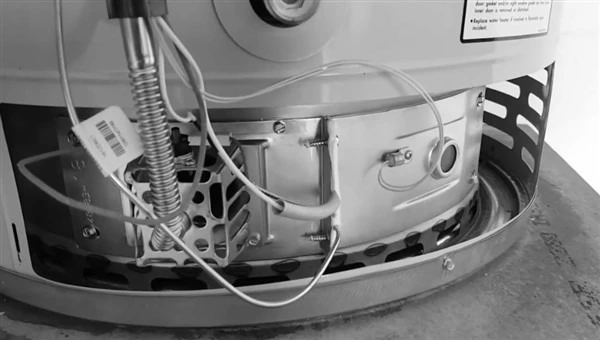
Installing a Water Heater Step by Step
Understanding the installing a water heater step by step process helps you monitor the progress. Here is how a typical professional installation unfolds.
1. Draining and Removing the Old Unit
The first step is turning off the fuel source (gas or electricity) and the water supply. The plumber will attach a hose to the old tank to drain out the remaining water. Once empty, they disconnect the pipes and carefully haul the old unit away for recycling.
2. Positioning the New Heater
The new unit is placed on a level surface. In California, we live in “earthquake country,” so your installer will use heavy-duty metal straps to secure the tank to the wall. This prevents the heater from tipping over during a tremor, which is a key safety requirement in our local area.
3. Connecting Water and Fuel Lines
This is where the precision happens. The plumber connects the cold water inlet and the hot water outlet.
- For Gas Heaters: They connect the gas line and check for leaks using a special solution.
- For Electric Heaters: They wire the unit to your home’s electrical panel, ensuring all connections are tight and grounded.
4. Installing the Venting System
For gas models, the “exhaust” must go through a vent pipe to the outside. A pro ensures this pipe is sealed perfectly so that carbon monoxide never enters your living space.
5. Adding Safety Features
A professional installation always includes a Temperature and Pressure (T&P) Relief Valve. This valve is like a “safety chimney”—if the pressure inside the tank gets too high, the valve opens to let steam or water out, preventing the tank from bursting.
Why Professional Installation Matters
It might be tempting to try a DIY approach, but water heaters are complex. Hiring a professional ensures that your home stays up to code and your warranty remains valid.
Compliance with Local Codes
In Clovis and the surrounding Central Valley, plumbing must follow the California Plumbing Code. This includes specific rules about thermal expansion tanks, drip pans, and energy efficiency. While these regulations might seem technical, they are non-negotiable for a safe home. We’ve outlined the specific details on why professional installation matters for water heater safety to help you understand the risks of cutting corners with unlicensed work.
Peace of Mind and Safety
A professional knows how to spot “hidden” problems, like a corroded shut-off valve or a venting issue that could be dangerous. When a pro finishes the job, they test the system thoroughly to make sure there are no leaks and that the water reaches the right temperature.
What to Expect After the Installation
Once the new unit is in place, the work isn’t quite finished. There are a few final steps to ensure everything is perfect.
Testing the System
The installer will fill the tank with water before turning on the heat. Heating an empty tank can ruin the heating elements! Once full, they turn the power or gas on and wait to see the burner or element kick in.
The Cleanup
A high-quality plumbing team won’t leave a mess. They should pick up any debris, wipe down the work area, and take the old water heater with them so you don’t have to worry about disposal.
Explaining the Controls
Before leaving, your plumber should show you how to adjust the temperature. Most experts recommend setting it to 120°F. This is hot enough for dishes and showers but cool enough to prevent accidental burns.
Finding the Best Local Service
When you are ready for a new water heater, you want a team that understands the specific needs of homeowners in our climate. Whether it’s dealing with our local hard water or meeting California’s strict energy standards, local expertise makes a difference.
Our high-quality plumbing team won’t leave a mess, a commitment verified by the many reviews from your neighbors on our local business listing. Contact Clovis Plumbing Services today to schedule your professional installation!
Frequently Asked Questions
Will a plumber evaluate my existing plumbing before installation?
Yes. The first step involves a complete assessment of your home’s current pipes, venting, and power sources. A technician will check for leaks or corrosion in the old lines and ensure the new unit is sized correctly for your family’s needs. This evaluation prevents unexpected issues during the setup and confirms that your home’s infrastructure can safely support the upgraded water heating equipment.
Do I need to clear the area before the plumber arrives?
Yes. You should remove any personal items, storage boxes, or debris from around the old unit to provide at least three feet of workspace. Having a clear path to the installation site allows the team to maneuver the heavy tanks safely and quickly. This simple preparation helps the project stay on schedule and protects your belongings from accidental damage or water splashes during the removal.
Is it necessary to drain the old tank before removing it?
Yes. A plumber must completely drain the existing unit to ensure it is light enough to move safely without spilling. After shutting off the water and power, they connect a hose to the drain valve to empty the hot water into a safe location. This step is critical for preventing heavy water damage to your flooring and ensures the old system is disconnected properly.
Will a plumber test the new unit for leaks after installation?
Yes. Once the new system is positioned and connected, the tank is filled to check every joint for leaks. The technician also performs safety tests on the gas lines or electrical connections to ensure everything is secure. Testing the water pressure and flow throughout the house confirms that your new heater is functioning perfectly and safely before the final walkthrough is completed.