- Comprehensive Contaminant Removal: Effectively filters out chlorine, lead, mercury, and other impurities, providing crisp, clean water for drinking and cooking directly from your tap.
- Protection for Plumbing & Fixtures: Reduces the chemical and sediment load entering your home’s pipes, preventing corrosion and preserving the internal components of faucets and showerheads.
- Cost-Effective Sustainability: Eliminates the need for single-use plastic bottles, significantly lowering your monthly expenses while reducing environmental waste.
- Enhanced Appliance Efficiency: By delivering cleaner water to your dishwasher and washing machine, the system prevents sediment buildup that can lead to mechanical strain and higher energy consumption.
- Improved Flavor & Odor: Neutralizes the “chemical” smell and metallic aftertaste often found in municipal water, making every glass of water and home-cooked meal taste better.
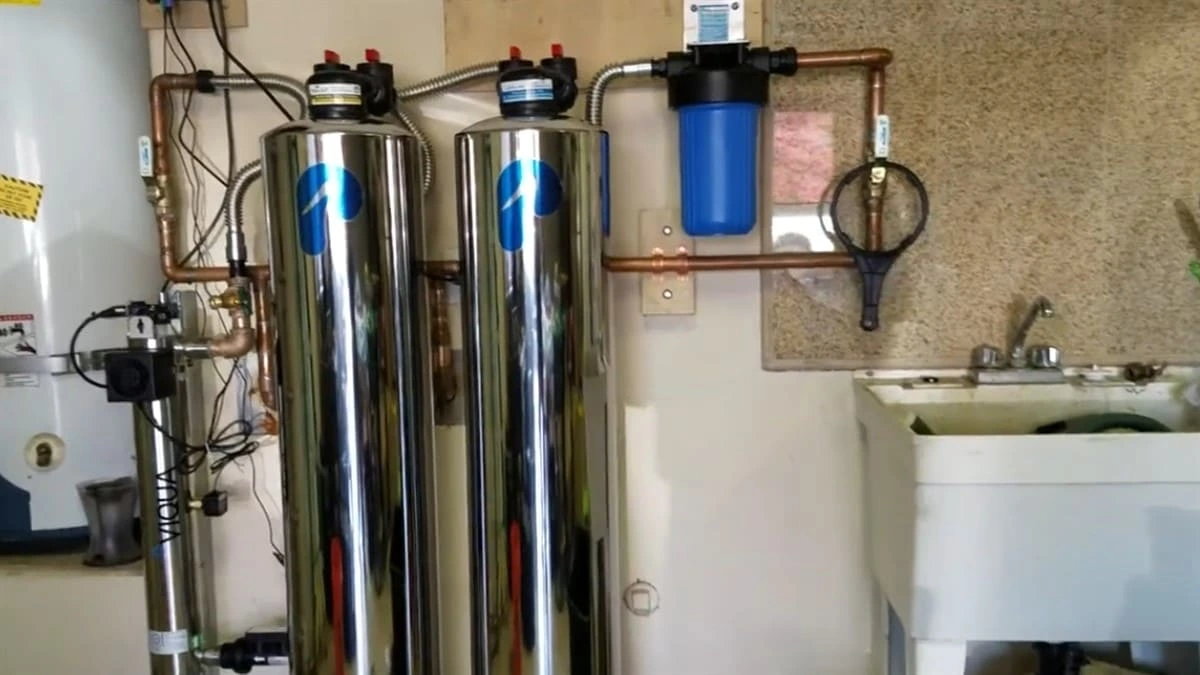
- Customized Filtration Solutions: We assess your home’s specific water quality to install a system—whether carbon-based, reverse osmosis, or sediment-focused—that targets your unique filtration needs.
- Code-Compliant Professional Setup: Our licensed experts ensure that all bypass valves, pressure regulators, and drainage lines are installed according to local plumbing standards to prevent leaks or backflow.
- Seamless Integration with Existing Plumbing: We carefully integrate the filtration unit into your main water line or under-sink area, ensuring consistent flow rates and protecting your home’s infrastructure.
- Long-Term Appliance Protection: By removing chlorine and heavy sediments at the point of entry, our installation helps prevent the chemical degradation of your water heater, dishwasher, and laundry equipment.
- Expert System Calibration: After installation, we verify that the system is operating at peak efficiency, providing a clear demonstration of how to monitor performance and when to perform routine filter swaps.
| Tod and his crew are great. Each time we’ve called them service has been quick and painless. they’ve fixed everything up and we’re gone with an emailed invoice. can’t recommend them enough! |
Monte Y.
See our latest 5-star reviews and project photos on our Google Business Profile.
Table of Contents
Introduction
Water filtration system installation in Clovis, CA, helps improve water quality by reducing contaminants such as chlorine, sediment, and dissolved solids commonly found in Central Valley water supplies. Proper system selection and installation ensure reliable performance while protecting plumbing fixtures and appliances from buildup and corrosion. All installations should align with the California Plumbing Code to maintain safe and compliant plumbing connections.
In many homes, untreated water can affect taste, odor, and long-term system performance. Whole-house and point-of-use filtration systems are designed to address specific water quality concerns while maintaining consistent pressure and flow throughout the plumbing system. Installation may involve integrating filtration equipment with existing supply lines, shut-off valves, and bypass configurations depending on system type and home layout.
For projects requiring permitting or inspection, coordination with the City of Clovis Building Division helps ensure compliance with local requirements. Additionally, water efficiency and fixture compatibility should be considered alongside filtration system performance, as outlined by the EPA WaterSense program.
Common Signs This Service Is Needed
Water filtration problems are often identified through changes in plumbing behavior rather than obvious water discoloration. Homeowners may notice faucet aerators clogging repeatedly, uneven fixture pressure between bathrooms, or sediment collecting inside toilet tanks and supply lines. In some homes, shower valves become difficult to adjust smoothly because mineral buildup begins affecting internal cartridge movement.
Appliance performance can also reveal underlying water conditions. Ice makers may slow down unexpectedly, dishwasher spray arms can begin clogging, and tankless units sometimes develop restricted flow warnings caused by internal scaling. Houses with older angle stops or galvanized sections may experience recurring restriction issues after years of untreated mineral exposure.
Another common indicator involves recurring maintenance. When fixtures require constant cleaning, cartridge replacements become frequent, or plumbing components begin wearing unevenly throughout the house, filtration evaluation often becomes part of diagnosing the larger issue rather than simply addressing isolated fixture symptoms.
Local Factors That Affect This Service in Clovis
Filtration installation in Clovis depends heavily on the condition and layout of the existing plumbing infrastructure. Many homes throughout the area contain a mixture of older copper lines, modern PEX repairs, and previous plumbing modifications completed over several decades. Those conditions influence where treatment equipment can be installed safely and how bypass assemblies should be configured.
Regional hard water conditions also affect system sizing and maintenance planning. Mineral-heavy supply conditions throughout the Central Valley can accelerate restriction buildup inside shut off valves, fixture cartridges, and appliance components. In houses with older piping, scale accumulation may already exist before filtration equipment is installed.
Access conditions vary significantly between properties. Some homes provide open garage walls with direct access to the main service line, while others place water entries inside tight utility closets, side yard enclosures, or finished spaces requiring more detailed installation planning.
Properties that previously required pipe repair services, slab reroutes, or pressure regulator replacements often need surrounding plumbing evaluated carefully before additional treatment equipment is tied into the system.
What This Service Typically Addresses
Residential filtration installation focuses on integrating treatment equipment into the home’s existing water distribution system while maintaining stable operating conditions throughout the plumbing network. The work typically involves evaluating the main service entry, identifying secure connection points, and determining whether supporting modifications are needed before installation begins.
Many systems are installed specifically to address recurring sediment movement, scale-related restrictions, inconsistent fixture operation, or mineral accumulation affecting plumbing components internally. In some homes, treatment equipment is added after repeated maintenance problems involving shut off valves, tankless equipment, or restricted supply lines.
The service itself may include adding bypass valves, rerouting sections of piping, modifying pressure regulation components, or creating future maintenance access around the installation area. Depending on the equipment selected, drain routing and electrical access may also become part of the installation scope.
Homeowners who recently completed water heater installation work sometimes add filtration afterward to reduce ongoing mineral accumulation inside newer plumbing equipment.
What to Expect During a Service Visit
A filtration installation visit usually begins with inspecting the main shut off assembly, pipe material condition, and available working space near the service entry. Before equipment selection or placement is finalized, surrounding plumbing is evaluated for corrosion, unsupported sections, previous modifications, and overall accessibility.
Once the installation layout is confirmed, the water supply is isolated temporarily so connection work can begin safely. Depending on the plumbing configuration, portions of copper or PEX piping may need to be modified to accommodate bypass valves, filter housings, manifolds, or treatment tanks.
During installation, technicians monitor pressure behavior closely because introducing treatment equipment changes how water moves through the plumbing system. Existing restrictions, failing valves, or weak fittings sometimes become visible only after the supply is shut down and repressurized.
After assembly is complete, the equipment is brought online gradually while all connections are checked under operating pressure. Fixtures throughout the house are tested to confirm stable flow conditions before the installation is finalized.
Cost Factors That Can Change the Final Price
Filtration installation pricing depends less on the equipment alone and more on the condition of the surrounding plumbing infrastructure. Two homes using the same treatment system can require very different installation approaches based on pipe accessibility, service entry layout, and existing plumbing wear.
Older shut off valves, deteriorated fittings, unsupported piping, or irregular previous repairs sometimes require correction before treatment equipment can be installed safely. Houses with limited access inside garages, utility closets, or crawlspaces may also require additional labor simply to create workable installation conditions.
System capacity changes pricing as well. Larger households using multiple bathrooms, irrigation systems, and high-demand appliances often require equipment capable of maintaining stable pressure during simultaneous usage periods.
Some installations involve related plumbing improvements at the same time. Homeowners occasionally combine filtration projects with general plumbing services when recurring valve issues, pressure concerns, or aging supply components already require attention.
Repair vs. Replacement
Deciding whether to repair or replace filtration equipment depends heavily on system age, operating condition, and compatibility with the surrounding plumbing layout. Some problems involve isolated failures such as leaking housings, worn bypass valves, clogged cartridges, or damaged fittings that can be corrected without replacing the full assembly.
Replacement becomes more practical when older systems rely on discontinued control components, outdated treatment designs, or media that no longer performs efficiently under current household demand. In certain homes, the plumbing infrastructure itself changes enough over time that older equipment no longer fits the operating conditions it was originally designed to support.
Homeowner priorities also influence the decision. Some choose replacement after repeated service calls become more expensive than upgrading the equipment entirely, while others replace undersized systems after adding bathrooms, appliances, or increased occupancy.
Evaluating surrounding plumbing conditions is equally important because pressure behavior, bypass integrity, and connection reliability all affect whether older filtration equipment can continue operating safely long term.
Access, Timing, and Household Disruption
Most filtration installations can be completed within a single day, although project duration depends heavily on plumbing accessibility and existing infrastructure conditions. During portions of the installation process, the household water supply must remain shut down while treatment equipment is integrated into the main service line.
Preparing the installation area ahead of time helps reduce delays considerably. Garages, utility closets, side yard enclosures, and surrounding storage areas should remain clear so equipment and tools can move safely throughout the work area.
Some homes create additional installation challenges because of tight crawlspaces, finished wall access, deteriorated valves, or limited service clearance around the water entry location. Those conditions can increase labor time substantially even when the filtration equipment itself remains relatively straightforward.
Once the system is activated, temporary air discharge through fixtures is normal while pressure stabilizes throughout the plumbing network.
When Professional Evaluation Matters
Selecting treatment equipment without evaluating the plumbing system first can create problems that are difficult to diagnose later. Undersized systems may cause fixture restrictions, while incorrect equipment selection can leave existing scale or sediment issues unresolved.
Professional evaluation becomes especially important in homes with recurring plumbing repairs, inconsistent pressure behavior, previous slab reroutes, or older shut off assemblies already showing signs of wear. In many cases, filtration installation reveals surrounding plumbing conditions that also require attention before the equipment can operate reliably.
Clovis Plumbing Services operates as a father and daughter team handling projects directly instead of assigning work to rotating subcontractors or outside crews. That consistency matters because installation decisions often change based on the plumbing conditions uncovered during the project itself.
The company brings more than 50 years in the trades, over 40 years of plumbing experience, and 10 years at the journeyman level working across residential systems throughout Clovis and nearby Central Valley communities.
California Contractor License: C-36 Plumbing #1014216
Coverage includes $2,000,000 General Liability insurance along with active Workers’ Compensation coverage.
Why Experience and Licensing Matter
Filtration systems become part of the home’s permanent plumbing infrastructure, which means installation quality directly affects long term reliability. Incorrect bypass placement, unsupported piping, improper pressure handling, or poorly aligned connections can eventually create operational problems throughout the plumbing system.
Licensed installation helps ensure treatment equipment is integrated according to recognized plumbing standards while maintaining safe operating conditions across the household water supply. Field experience also becomes critical when older plumbing conditions, mixed pipe materials, or limited access require installation adjustments during the project.
Working with the same installer throughout the process improves communication when hidden plumbing concerns appear after the system is isolated and repressurized. Instead of transferring responsibility between separate crews, the evaluation, installation planning, and final testing remain consistent from beginning to completion.
When to Schedule Service Confidently
Recurring sediment buildup, repeated fixture restrictions, inconsistent pressure behavior, or ongoing valve maintenance often indicate that untreated water conditions are continuing to affect the plumbing system internally.
Scheduling evaluation becomes especially worthwhile after repiping work, slab leak reroutes, appliance upgrades, or recurring maintenance involving shut off valves and fixture cartridges. Addressing water conditions at the same time can help reduce future buildup affecting the surrounding plumbing infrastructure.
If you are ready to evaluate how local water conditions may be affecting your plumbing system, Clovis Plumbing Services can inspect the existing infrastructure, identify installation considerations, and recommend treatment equipment suited to the layout and operating conditions inside your home.
Frequently Asked Questions
Can hard water affect plumbing valve operation?
Yes. Long term mineral exposure can affect shut off valves, fixture cartridges, and appliance components by allowing scale deposits to collect internally over time. In some homes, buildup eventually restricts movement inside valves or narrows water passages enough to reduce fixture performance noticeably.
Will plumbing access change installation complexity?
Yes. Installation difficulty often depends heavily on how accessible the main water entry and surrounding plumbing infrastructure are inside the home. Tight utility spaces, finished wall access, deteriorated valves, or confined crawlspaces can increase labor time and affect overall installation planning.
Can filtration systems work with older supply piping?
Many older plumbing systems can support filtration equipment successfully, although surrounding pipe condition should be evaluated carefully before installation begins. Corroded fittings, unsupported piping, aging shut off valves, or irregular previous repairs sometimes require correction first.
Do filtration systems require plumbing modifications?
Some installations require additional plumbing modifications depending on equipment design and the condition of the existing infrastructure. Bypass valves, rerouted piping, pressure adjustments, drain routing, or updated shut off assemblies may become necessary during the installation process.
Can filtration help reduce recurring sediment problems?
Filtration systems are commonly installed after homeowners experience recurring sediment buildup affecting fixtures, appliance screens, aerators, or supply lines. Equipment selection depends on the type of material entering the plumbing system and how frequently those conditions occur throughout the home.
When is replacement better than filtration system repair?
Replacement often becomes the better option when older filtration equipment relies on discontinued components, repeated service calls become frequent, or household demand changes beyond the system’s original operating capacity. Plumbing condition and bypass reliability also influence the decision.