Having a knowledgeable professional handle the installation process is highly advisable for several reasons. First, tankless water heaters, also known as on-demand water heaters, require precise installation to function efficiently. A skilled plumber understands the necessary connections and the compatible plumbing and electrical requirements specific to your home.
Table of Contents
Introduction to Tankless Water Heaters
Tankless water heaters are changing the way people think about home efficiency. Unlike traditional water heaters with bulky tanks that store and constantly heat water, tankless systems provide hot water only when it’s needed. This innovative design eliminates the standby energy loss that comes with keeping gallons of water hot around the clock. They’ve quickly gained popularity for offering a smarter, more streamlined approach to heating water.
One of the first things that stands out about tankless water heaters is their modern design. These compact units ditch the massive, clunky tank in favor of a sleek, wall-mounted system that takes up significantly less space. Whether installed in a small apartment or a spacious home, they deliver on both functionality and convenience.
Then there’s the matter of performance. Unlike their tanked counterparts, tankless models don’t run out of hot water. They heat water on demand, ensuring a steady supply regardless of how many showers or loads of laundry are running. For busy households, this feature is a game-changer.
It’s also worth noting their durability. Built with longevity in mind, these systems are designed to last longer than traditional models, offering years of reliable service with minimal maintenance. Homeowners increasingly see them as a cost-effective, long-term solution for their hot water needs.
By rethinking the way water is heated, tankless systems combine efficiency, performance, and practicality. This fresh approach is turning heads and making traditional tanks feel like yesterday’s news.
Energy Efficiency
Tankless water heaters excel in energy efficiency by operating only when hot water is needed, unlike traditional models that constantly keep a tank of water heated. This on-demand functionality means energy isn’t wasted maintaining a reservoir’s temperature around the clock. The result? Substantial energy savings that can add up over time. According to reports, these systems can be up to 30% more efficient than conventional water heaters, offering a noticeable reduction in energy consumption.
For homeowners looking to lower their utility bills, this efficiency boost is a major perk. It’s a practical solution that aligns with both financial and environmental goals. Less energy use means fewer greenhouse gas emissions, making tankless water heaters a solid choice for those conscious of their carbon footprint.
Additionally, these systems often operate more efficiently in the long term because they aren’t subjected to the same levels of heat loss or sediment buildup that plague tanked models. This consistent performance contributes to their overall appeal, making them an energy-conscious upgrade for homes of all sizes.
Space Saving
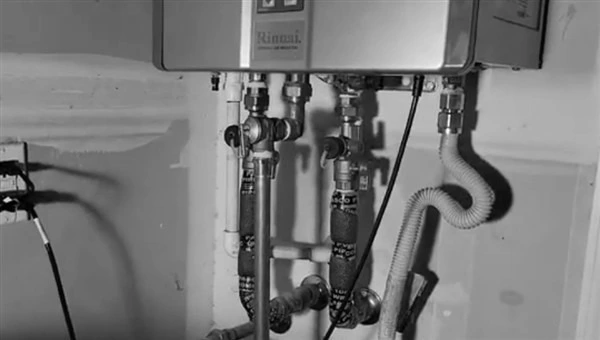
One of the standout advantages of tankless water heaters is their compact design, which frees up valuable space in any home. Traditional water heaters, with their large, cylindrical tanks, often take up a significant portion of basements, utility rooms, or closets. Tankless models, on the other hand, are sleek and compact, making them ideal for homes where space is at a premium. These systems can be mounted on walls, allowing for versatile placement that doesn’t intrude on living areas or storage.
For apartments or smaller homes, this space-saving feature can be particularly advantageous. Instead of dedicating an entire corner to a bulky water heater, homeowners can enjoy the freedom to use that area for additional storage or other practical purposes. Even in larger homes, the minimal footprint of a tankless system provides more flexibility in how space is utilized. These systems can be installed in less conspicuous locations, such as under sinks or in small closets, without sacrificing performance.
The streamlined design not only optimizes available space but also contributes to a cleaner, less cluttered look in utility areas. This efficiency in design aligns perfectly with the priorities of modern households, where every square foot matters. Tankless water heaters prove that functionality and style can coexist, offering an upgrade that’s both practical and aesthetically appealing.
Unlimited Hot Water
The luxury of unlimited hot water is one of the most significant advantages of tankless water heaters. By heating water only as it’s needed, these systems ensure a continuous supply, no matter how many appliances or showers are in use. There’s no waiting for a storage tank to refill or dealing with that dreaded moment when the water runs cold mid-rinse. This consistent performance is particularly valuable for larger households or homes with high water usage.
Unlike traditional systems that are limited by the capacity of their tanks, tankless models operate on demand, meaning they heat water as it flows through the unit. This process not only eliminates the frustration of running out of hot water but also allows for simultaneous use across multiple fixtures. Whether it’s the dishwasher running while someone takes a shower or the washing machine operating alongside a busy kitchen faucet, the supply remains steady.
This on-demand functionality brings an added level of convenience that fits seamlessly into modern lifestyles. It’s a solution designed to keep pace with the unpredictability of daily routines, offering reliability without the need for scheduling or sacrificing comfort. With no tank to dictate how much hot water is available, these systems are built to meet varying needs, from quick morning showers to long, relaxing soaks at the end of the day. For homes that value comfort and efficiency, tankless water heaters redefine what it means to have access to hot water whenever it’s needed.
Longevity and Durability
Tankless water heaters are engineered with longevity in mind, often outperforming traditional water heaters in terms of lifespan. While conventional models tend to give out after 10 to 15 years, tankless systems can keep going strong for over 20 years with proper maintenance. This extended durability is thanks to their advanced design, which eliminates the constant exposure to standing water that often leads to rust and sediment buildup in tanked systems.
Another reason tankless models last longer is their modular construction, which allows for the replacement of specific components rather than the entire unit. This not only reduces waste but also keeps repair costs manageable over the years. Compared to the regular maintenance and potential repairs required by traditional water heaters, the upkeep of a tankless system is typically less demanding, saving time and money in the long run.
Additionally, these systems are built to withstand the demands of modern households, consistently delivering hot water without overworking internal components. Their durability doesn’t just reflect in their physical build; it’s evident in their performance, even after years of use. With fewer moving parts and less exposure to corrosive elements, tankless water heaters are a reliable, low-maintenance solution designed for longevity. Choosing a tankless model means investing in a system that not only performs well but also sticks around to deliver value for decades.
Environmental Impact
Tankless water heaters provide a practical solution for reducing environmental impact by operating more efficiently than traditional systems. With no need to constantly heat a tank full of water, these units significantly cut down on energy use, which translates to fewer greenhouse gas emissions. Their on-demand functionality aligns with a growing focus on sustainability, making them a fitting choice for environmentally conscious households.
Beyond energy efficiency, their longer lifespan also plays a role in minimizing waste. Traditional water heaters, with their shorter service lives, often end up in landfills more frequently, contributing to environmental strain. Tankless models, however, are designed to last for decades, reducing the frequency of replacements and the associated disposal. This durability ensures fewer resources are consumed over time, adding to their eco-friendly appeal.
Additionally, the modular construction of many tankless systems allows for specific components to be repaired or replaced without discarding the entire unit. This approach not only extends the life of the system but also reduces material waste. By combining efficient energy use with a design that prioritizes longevity and repairability, tankless water heaters offer a more sustainable way to meet a home’s hot water needs. Their thoughtful construction and performance make them a smart option for those looking to lessen their environmental footprint without sacrificing convenience or comfort.
FAQ’s
What is the biggest advantage of a tankless water heater?
The biggest advantage is the continuous and endless supply of hot water. Since water is heated on demand, you will never run out, even when running multiple appliances like the dishwasher and shower simultaneously.
How much space can I save with a tankless water heater?
Tankless units are very compact, typically mounted directly on a wall, saving a significant amount of space. A traditional tank requires a large dedicated area, which the smaller tankless system frees up for other storage or use in your home.
Do tankless water heaters help reduce my monthly utility bills?
Yes, tankless water heaters are highly energy efficient and can reduce your monthly utility bills. They only consume energy when you turn on a hot water faucet, eliminating the wasted energy that comes from constantly reheating stored water in a tank.
Are tankless water heaters better for the environment?
Yes, tankless water heaters are considered more environmentally friendly because they use energy only when necessary, reducing overall fuel consumption. Their longer lifespan also means fewer units end up in landfills, which is better for the planet.