- Layout Planning Experience – We understand how drain, waste, vent, and supply systems must be reconfigured when fixtures are moved, removed, or converted during a remodel.
- Slab & In-Wall Expertise – Our work accounts for below-slab piping, wall cavities, and concrete repair so the new layout is properly supported before finish work begins.
- Code-Compliant Execution – All plumbing layout changes are completed to current California and local building code requirements to support inspection approval.
- Local Remodel Knowledge – We regularly perform layout changes in Clovis-area homes and understand common foundation types, pipe materials, and access conditions.
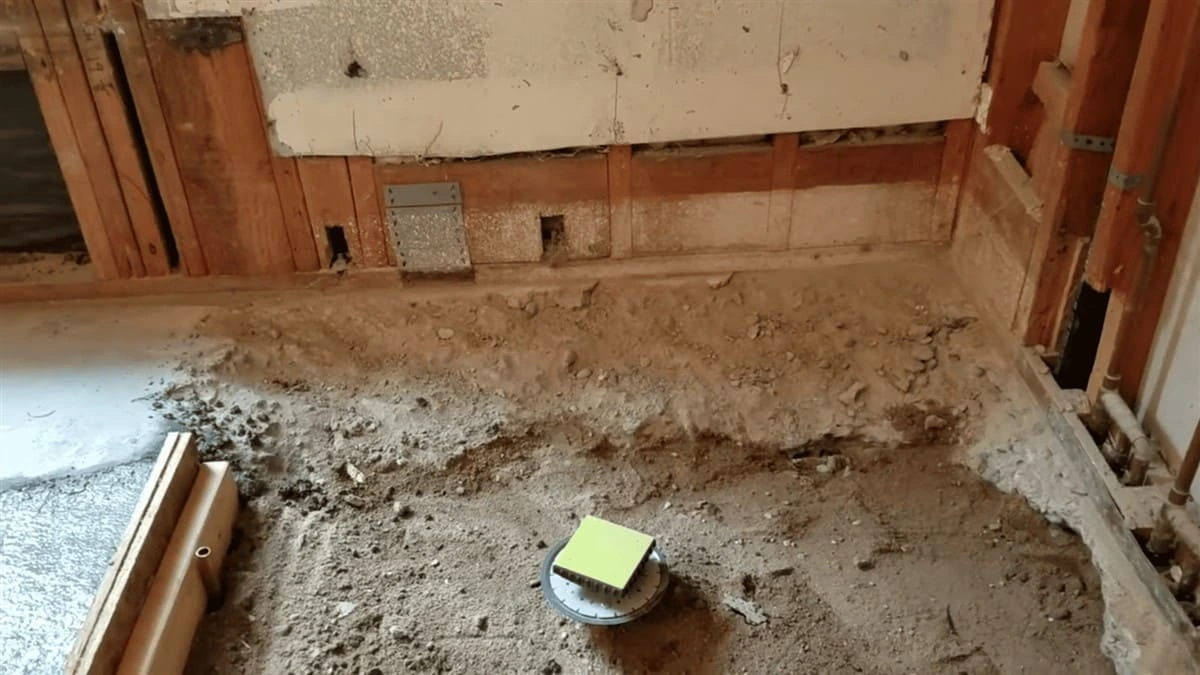
- Initial Layout Review – The existing plumbing configuration is evaluated to understand fixture locations, drain routing, venting, and access.
- Planning & Measurement – New fixture locations are mapped to ensure proper spacing, and code-compliant connections before work begins.
- Rough-In Modifications – Drain, waste, vent, and supply lines are adjusted within walls or below the slab to match the updated layout.
- System Verification – Connections are checked for proper alignment, support, and function prior to wall closure or concrete patching.
- Jobsite Preparation – Work areas are cleared and stabilized so the remodel can continue with finish trades.
| Tod was quick to respond and delivered his service in a professional and punctual manner. We were very impressed. Honest and hardworking guy. Answered all of our questions and concerns in a non judgmental manner. Thanks Tod again for your wonderful service. We highly recommend Tod. |
Xee X.
See our latest 5-star reviews and project photos on our Google Business Profile.
Table of Contents
Introduction
Clovis homeowners planning a major renovation or functional upgrade must ensure their bathroom plumbing layout changes are engineered to meet the high demands of modern residential infrastructure. A professional layout reconfiguration involves far more than updating surface fixtures; it requires the strategic relocation of primary water supply lines, drainage stacks, and the underlying drain-waste-vent (DWV) system to support a new floor plan.
All layout modifications must comply with the California Plumbing Code to ensure safe waste disposal, proper atmospheric venting, and long-term structural reliability.
Structural Considerations and Local Compliance
Reconfiguring a bathroom footprint—such as moving a toilet, converting a tub to a walk-in shower, or adding a double vanity—impacts the core “rough-in” plumbing behind walls and beneath floors. In Clovis, these projects often require cutting into concrete slabs or navigating specialized post-tension foundations to achieve the precise slope necessary for gravity-fed drainage. Such significant modifications must align with the standards outlined by the City of Clovis Building Division, where permits and inspections are mandatory for any changes to the home’s drain and supply line configuration.
These steps ensure that your new plumbing skeleton is verified for integrity and safety before cabinetry, flooring, and finishes are installed.
Common Signs This Service Is Needed
Most homeowners do not begin searching for bathroom plumbing layout changes because of a plumbing failure. The decision usually starts when the room itself no longer functions efficiently. A vanity may block traffic flow. The toilet may feel crowded between walls and cabinetry. A large tub may occupy valuable floor space that would be better used for a walk-in shower.
Remodeling plans frequently reveal plumbing limitations hidden beneath the surface. Once walls are opened, homeowners discover that fixture locations were chosen decades earlier based on construction convenience rather than modern usability. Expanding storage, improving accessibility, or creating a more open floor plan often requires relocating rough plumbing rather than simply replacing fixtures.
Another common situation involves converting a single-sink vanity into a double vanity. Although the finished product appears straightforward, additional drainage, venting, and supply piping must be integrated behind the wall to support the new arrangement.
Local Factors That Affect This Service in Clovis
Foundation design significantly influences plumbing layout modifications throughout Clovis. Many homes were constructed on concrete slabs, meaning drains are embedded below the finished floor. Moving a toilet, shower, or tub drain may require saw cutting and trenching within the slab before new piping can be installed at the correct elevation.
Raised foundations create a different set of considerations. Access below the floor is often easier, but older homes frequently contain aging materials that may not integrate cleanly with new plumbing components. Existing pipe condition must be evaluated before tying relocated fixtures into the original system.
Distance also matters. Drainage systems rely entirely on gravity. Every relocated fixture must maintain proper fall from the fixture connection back to the main drain. A layout that appears simple on paper may require substantial rerouting once pipe elevations, framing members, and structural limitations are evaluated.
Homes undergoing broader remodeling sometimes discover additional concerns during a plumbing inspection, particularly when previous alterations were completed without permits or documentation.
What This Service Typically Addresses
Bathroom plumbing layout changes encompass the rough plumbing infrastructure supporting the room. Existing drains may be abandoned, relocated, resized, or rerouted depending on the new design. Supply lines are repositioned to serve relocated fixtures while maintaining balanced water delivery throughout the home.
Toilet moves are generally among the most involved modifications because they affect larger drain lines and often require changes to venting. Shower conversions frequently involve relocating floor drains, modifying valve placement, and adjusting water supply elevations. Vanity relocations can require drain extensions, vent modifications, and new hot and cold-water routing behind finished walls.
Projects occasionally reveal deteriorated piping that benefits from replacement during construction. When access already exists behind walls or beneath floors, addressing compromised sections can prevent future disruption after the remodel is completed.
What to Expect During a Service Visit
The process typically begins with evaluation of the existing plumbing layout and review of the proposed fixture locations. Measurements are taken to verify drainage slopes, vent routing opportunities, framing limitations, and accessibility considerations before any demolition occurs.
Once work begins, exposed plumbing is removed or modified as necessary to accommodate the new arrangement. New drain lines are installed first because their elevations determine fixture placement. Water supply piping follows after drainage locations have been finalized.
Before walls are closed or concrete repairs are completed, the modified system undergoes testing. Drainage pathways, connections, and supply lines are verified to ensure proper performance and leak-free operation. Inspection requirements are completed where applicable so the project can move forward confidently into finish construction.
Cost Factors That Can Change the Final Price
Bathroom plumbing layout changes vary considerably in complexity. Moving a vanity several feet along the same wall generally requires less labor than relocating a toilet across the room or converting a bathtub into a curbless shower.
Accessibility often has the greatest influence on cost. Concrete removal, structural modifications, difficult crawlspace access, and extensive wall demolition increase labor requirements significantly. Pipe material, fixture count, and overall distance from existing plumbing connections also contribute to project scope.
Permit requirements may influence scheduling and project cost as well. While permits add administrative steps, they provide independent verification that the modified plumbing system meets current standards before finishes conceal the work.
Repair vs. Replacement
During remodeling, homeowners frequently ask whether existing plumbing should remain in service or be replaced while access is available. The answer depends largely on condition, age, and compatibility with the proposed design.
If existing piping remains structurally sound and properly sized, incorporating it into the new layout may be entirely appropriate. However, heavily corroded galvanized piping, deteriorated drain materials, or obsolete configurations may justify replacement before walls are closed.
This evaluation is similar to decisions made during larger plumbing repipe projects where long-term reliability becomes more valuable than preserving aging components. Replacing problematic sections during remodeling can eliminate future demolition expenses and reduce the likelihood of unexpected failures later.
Access, Timing, and Household Disruption
Because layout changes affect hidden plumbing infrastructure, some disruption should be expected during construction. Bathrooms undergoing significant reconfiguration are usually unavailable for normal use while rough plumbing work is underway.
The duration depends on fixture relocation distances, permit requirements, inspection schedules, and foundation conditions. Raised-foundation homes may progress differently than slab homes because access methods vary substantially.
Coordination with other trades is equally important. Flooring contractors, tile installers, framers, and cabinet installers all rely upon completed rough plumbing before their work can begin. Proper scheduling helps maintain project momentum and minimize delays throughout the remodel.
When Professional Evaluation Matters
Bathroom layouts often appear simpler than they actually are. A homeowner may see only the finished fixtures, while the functional system depends on pipe sizing, vent design, drainage slope, and structural compatibility hidden behind surfaces.
Even relatively small fixture relocations can introduce problems if these factors are overlooked. Improper venting can create slow drains and sewer odors. Insufficient slope can lead to recurring stoppages. Poorly planned water supply routing may create pressure imbalances or unnecessary maintenance challenges.
Professional evaluation helps identify these concerns before construction begins, allowing adjustments to be incorporated into the design rather than corrected after completion.
Why Experience and Licensing Matter
Bathroom plumbing layout changes combine remodeling knowledge with technical plumbing expertise. Understanding how a finished room should function is important, but understanding how drainage and vent systems behave behind walls is critical.
Clovis Plumbing Services operates as a father-and-daughter team rather than relying on rotating crews or subcontractors. The same individuals evaluating the project remain involved throughout the work. That continuity helps ensure planning decisions made during the initial assessment carry through to final installation.
With more than fifty years in the trades, over forty years of plumbing experience, and ten years of journeyman-level field work, practical problem-solving becomes part of every project. All work is performed under California Contractor License C-36 Plumbing #1014216 and supported by $2,000,000 General Liability coverage with active Workers’ Compensation insurance.
Homeowners exploring broader remodeling options can also review related services through our licensed plumbing services page to understand how bathroom layout modifications fit within larger renovation plans.
When to Schedule Service Confidently
Bathroom layout changes are easiest to plan before demolition begins and before fixture purchases lock a project into a specific configuration. Early evaluation helps determine what is realistically achievable within the available space while identifying any structural or plumbing limitations that may affect design decisions.
If your remodel includes moving a toilet, repositioning a shower, expanding a vanity, or reconfiguring the room for improved accessibility, scheduling a professional assessment allows the plumbing infrastructure to be planned correctly from the start.
Frequently Asked Questions
How long does a plumbing layout change take?
A standard layout change in a Clovis bathroom typically takes 2 to 4 days of active plumbing work. This includes the demolition of old pipes, installation of the new rough plumbing system, necessary routing modifications, pressure testing, and verification that all new connections are functioning properly before walls or flooring are restored.
Can I move my toilet to any wall in the bathroom?
While relocation is often possible, several limitations must be evaluated first. The location of the main drain, available venting, framing conditions, slab depth, and required drainage slope all affect where a toilet can be positioned. Every proposed move must maintain proper waste flow and comply with current plumbing requirements.
Will moving my plumbing affect my water pressure?
A properly designed layout change should not reduce water pressure. Pipe sizing, fixture demand, and routing distances are evaluated during planning so relocated fixtures receive adequate flow. When modifications are engineered correctly, showers, faucets, and toilets should operate normally after construction is complete.
Do layout changes require a permit in Clovis?
Yes. Relocating drain lines, water supplies, vents, or major plumbing fixtures generally requires permitting through the City of Clovis. Permit review and inspections help verify that the new configuration meets current code requirements before construction is concealed behind finished surfaces.
Can a shower drain be moved during remodeling?
Yes. Shower drains are frequently relocated when converting tubs to showers, enlarging shower footprints, or changing fixture orientation. The process requires maintaining proper slope back to the drainage system while ensuring adequate venting and structural support for the new installation.
Should old plumbing be replaced during a remodel?
Not always, but existing piping should be evaluated whenever walls or floors are open. Aging materials, corrosion, previous repairs, or obsolete configurations may justify replacement while access is available. Addressing those concerns during remodeling can prevent future disruptions and additional construction costs.