Table of Contents
Introduction
Vessel sinks differ from traditional bathroom sinks because the basin rests above the countertop rather than dropping below or sitting flush with the vanity surface. This design choice gives them a more decorative appearance and has made them increasingly popular in modern bathroom remodeling projects. Their elevated profile can create a distinctive look, but it also changes how the surrounding plumbing and fixture layout should be planned. Faucet height, spout reach, countertop height, and drain alignment all play a role in ensuring the finished sink is both comfortable to use and properly integrated with the bathroom’s plumbing system.
Why Homeowners Choose Vessel Sinks
Vessel sinks appeal to homeowners who want a sink that functions as both a plumbing fixture and a visible design feature. Because the basin remains fully exposed above the vanity, it can create a more customized look than many standard recessed sinks. They are often selected in bathroom remodels where material choice, shape, and overall visual impact matter just as much as everyday function.
- Distinctive bathroom style: Vessel sinks create a focal point that stands out more than a conventional sink set into the countertop.
- Wide range of materials and shapes: Homeowners can choose from ceramic, porcelain, glass, stone, and other finishes to match the room design.
- Cleaner countertop lines around the basin: The exposed bowl can make the vanity surface feel more intentional and decorative.
- Strong compatibility with modern vanities: Vessel sinks are often paired with floating vanities, custom countertops, and contemporary faucet styles.
Structural Characteristics of Vessel Sinks
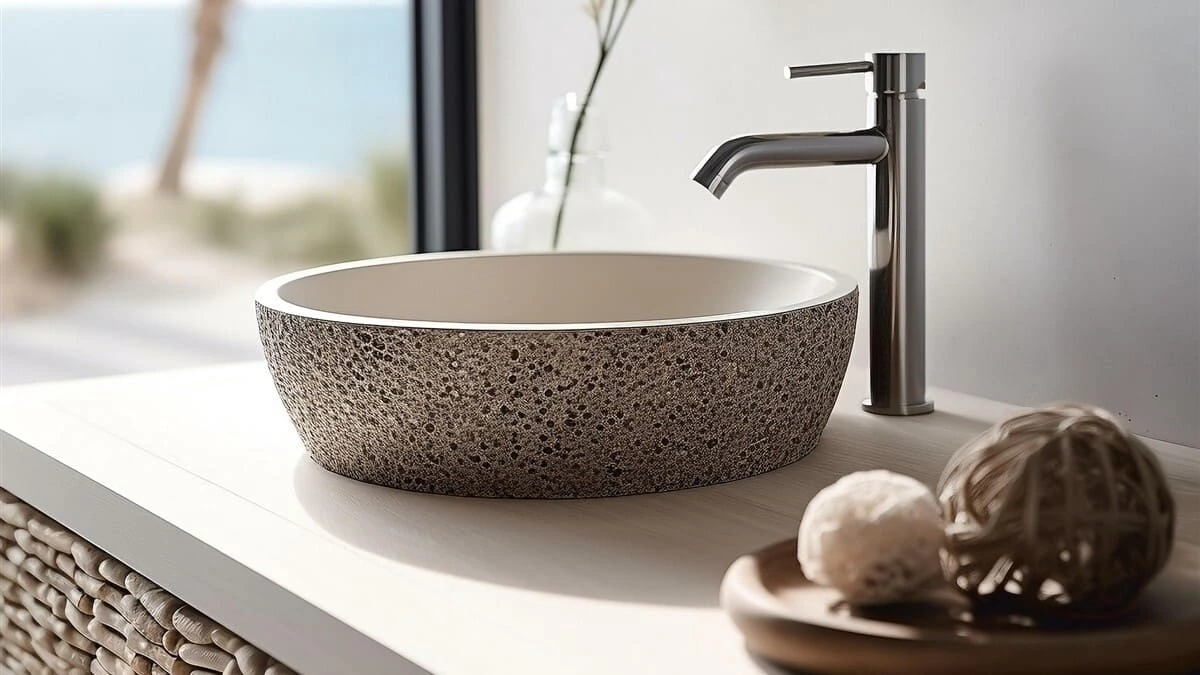
The defining feature of a vessel sink is that the basin sits on top of the vanity surface rather than being recessed into it. In most cases, only the drain opening passes through the countertop while the bowl itself remains fully visible. This changes the visual proportion of the vanity and often makes the sink a more prominent design element in the room.
Because the sink rises above the countertop, vessel designs tend to emphasize the bowl’s shape, edge profile, and finish. Some are round and soft in appearance, while others have angular lines that align with modern bathroom layouts. Decorative materials also become more noticeable because more of the sink remains exposed. This above-counter profile can influence how tall the vanity feels once everything is in place. As a result, vessel sinks affect more than appearance alone. They also influence the overall balance between basin height, faucet position, and user comfort.
Plumbing Layout Considerations
Although vessel sinks are often discussed for their design value, their plumbing layout still deserves careful attention. Because the basin sits higher than a traditional sink, drain and faucet relationships must be planned more precisely. The drain passes through the countertop and must align properly with the tailpiece and trap within the vanity cabinet. Faucet selection is also important because the water stream needs to fall into the basin correctly without excessive splashing.
- Drain placement through the countertop: The drain opening must align cleanly with the sink outlet and vanity structure.
- Tailpiece alignment: The vertical connection below the sink needs proper positioning to transition into the trap assembly.
- Trap placement within the vanity cabinet: Cabinet space and plumbing location must work together without crowding other components.
- Faucet height requirements: Taller deck-mounted faucets or wall-mounted faucets are often used so the water stream reaches the bowl correctly.
Plumbing codes also govern drainage and venting performance, which is one reason homeowners often review standards from the International Association of Plumbing and Mechanical Officials when learning how plumbing systems are regulated.
Bathroom Design Planning With Vessel Sinks
Bathroom design planning with a vessel sink involves more than choosing an attractive basin. The relationship between the vanity height, faucet placement, sink depth, and countertop surface all affects how the finished space functions. If the vanity is already tall, a vessel sink may raise the washing surface higher than expected. In other layouts, a shallower vessel bowl may help preserve comfort.
Faucet reach matters just as much as faucet height. The water stream should land properly inside the basin rather than near the rim or too close to the drain. Countertop material compatibility is another consideration, since the sink sits directly on the vanity surface and draws attention to the surrounding finish. Quartz, stone, and other finished surfaces are common choices because they provide a stable base and a clean visual transition around the sink. Sink size should also fit the bathroom itself so the design feels proportionate rather than oversized.
Plumbing Considerations in Central Valley Homes
In Clovis, Fresno, and throughout the Central Valley, local bathroom remodels often involve practical plumbing conditions that affect fixture planning. Hard water is common in the region, which means mineral buildup can accumulate over time around faucets, drains, and sink surfaces. For vessel sinks, that makes finish selection and cleaning access worth considering during design discussions.
Older homes may also present plumbing layouts that were built around more traditional recessed sinks. When a remodel changes to a vessel sink, the new basin height and drain relationship may need closer evaluation to make sure the vanity space still works well. In some homes, older shutoff valves, drain placements, or cabinet dimensions can influence what sink and faucet combinations make the most sense. That does not make vessel sinks impractical, but it does mean local remodeling conditions in the Central Valley can affect planning choices more than homeowners initially expect.
When Professional Plumbing Evaluation Helps
Professional plumbing evaluation can be especially helpful when a bathroom remodel changes the sink style significantly. Switching from an undermount sink to a vessel sink can alter the finished height of the fixture, the required faucet style, and the position of visible plumbing connections inside the vanity. In some cases, cabinet modifications may also be needed to maintain proper clearance.
Homeowners may also want a closer evaluation when the bathroom has older plumbing infrastructure, limited vanity space, or questions about drain and faucet alignment. During remodel planning, some homeowners review local licensed plumbing providers through our Clovis Plumbing Services Google Business Profile listing to learn more about plumbing services available in the area. Careful planning helps ensure the sink installation fits both the visual design of the room and the practical realities of the plumbing layout.
Related Resource: Choosing the Right Sink Style
When planning a kitchen or bathroom renovation, homeowners often compare several sink styles before deciding which design best fits their layout and plumbing configuration.
Our complete sink types guide explains the differences between popular sink styles such as:
- Functional Farmhouse Designs: Contrasting the high-design “bowl” look with the deep, practical workspace of an apron-front.
- Low-Profile Undermounts: A comparison between “above-counter” vessel heights and “below-counter” plumbing.
- Reliable Drop-In Utility: Why some homeowners prefer the classic top-mount over the unique style of a vessel.
- Architectural Pedestals and Wall-Mounts: Exploring other “focal point” sinks that don’t require traditional vanities.
- Efficient Island Prep Sinks: How vessel designs can work in small bar areas or kitchen islands.
Reviewing multiple sink types can help homeowners better understand how design, mounting style, and plumbing layout affect the finished space. Our complete sink types guide explains how each option fits into different kitchen and bathroom layouts, including the plumbing considerations that affect installation and long-term performance.
Conclusion
Vessel sinks offer a distinctive approach to bathroom design by placing the basin above the countertop rather than within it. This elevated installation style highlights the sink as a visual feature while also influencing how the surrounding plumbing and fixtures should be arranged. Faucet height, drain alignment, and vanity proportions all play a role in creating a sink setup that feels comfortable and functions reliably.
With thoughtful planning, vessel sinks can combine decorative appeal with practical performance. When the sink, faucet, countertop, and plumbing layout are coordinated properly, the result is a bathroom fixture that enhances the overall design while continuing to serve everyday needs effectively.
Frequently Asked Questions
What is a vessel sink?
A vessel sink is a bathroom sink that sits above the countertop or vanity surface rather than being recessed into it. This above-counter design creates a decorative appearance and changes how the faucet, drain, and vanity height are planned.
Why do vessel sinks require taller faucets?
Because the basin sits above the countertop, a taller faucet or wall-mounted faucet is typically needed so the water stream reaches the center of the sink correctly.
Do vessel sinks affect vanity height?
Yes. Vessel sinks add height to the finished sink surface. Some installations adjust the vanity height or select shallower vessel designs to maintain comfortable ergonomics.
Are vessel sinks difficult to maintain?
Most vessel sinks are easy to maintain with routine cleaning. Because the basin sits above the countertop, the surrounding surface may require occasional wiping to remove water or soap residue.
Do vessel sinks require special plumbing?
The plumbing components are similar to other sinks, but careful planning is needed for faucet height, drain placement, and trap alignment inside the vanity.
Are vessel sinks only used in modern bathrooms?
Vessel sinks are common in modern and contemporary bathrooms but can also be incorporated into transitional or custom designs depending on the sink material and vanity style.