A tankless water heater can provide continuous hot water without storing dozens of gallons in a tank, but that does not mean every home is automatically ready for one. Unlike a traditional water heater that heats and stores a fixed supply, a tankless system must produce enough heat to meet demand while water is actively flowing. That makes the home’s existing infrastructure and the way the household uses hot water especially important.
A successful conversion also involves more than removing the existing water heater and mounting a smaller unit on the wall. Hot-water demand, gas or electrical capacity, venting, plumbing configuration, equipment location, and household usage can all influence whether tankless is a practical choice. Depending on the equipment selected, the installation may also require changes to gas piping, electrical connections, water lines, venting, or condensate drainage.
Household demand deserves particular attention. A home where several showers, faucets, or appliances frequently use hot water at the same time may require considerably more heating capacity than a home where hot-water use is spread throughout the day. Choosing equipment without accounting for that peak demand can result in a system that does not perform as expected.
Some homes already have conditions that make the transition relatively straightforward. Others can support tankless but may need utility or plumbing modifications first. Recognizing those differences before selecting equipment can help homeowners understand the likely installation scope, avoid choosing an undersized system, and determine whether the advantages of tankless justify the changes their home may require.
The following signs can help identify whether your home is a strong candidate for tankless water heating—and which conditions deserve a closer look before making the switch.
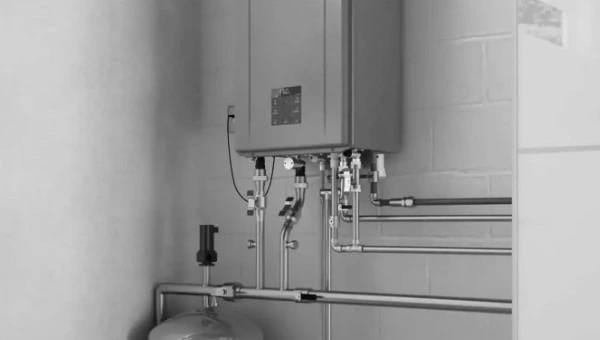
Table of Contents
What Does “Ready for Tankless” Actually Mean?
Being ready for tankless does not mean your current water heater has to be failing. It means the home’s hot-water needs and infrastructure can reasonably support an on-demand system.
A tankless water heater has to produce enough heat to raise incoming cold water to the desired temperature while that water is actively flowing through the unit. The home must also provide the fuel, electrical power, venting, drainage, and plumbing necessary for the equipment selected.
That makes tankless readiness a combination of household demand and installation conditions.
1. Your Current Tank Cannot Keep Up With Hot-Water Demand
Running out of hot water is one of the most common reasons homeowners begin considering tankless.
You may notice:
- Showers turning cold after extended use
- Back-to-back showers exhausting the stored supply
- Hot-water availability dropping when appliances are operating
- Having to schedule showers around laundry or dishwasher use
- Waiting for the water heater to recover after heavy demand
A traditional water heater has a finite amount of stored hot water. Once enough of that supply has been used, incoming cold water has to be heated before the system can provide its full capacity again. Tankless systems operate differently. They heat water continuously as demand occurs rather than relying on a stored reservoir.
If you’re still deciding whether that difference actually benefits your household, our tankless vs traditional water heaters comparison explains the practical tradeoffs between the two systems.
2. Your Household Has Significant but Understandable Peak Demand
Tankless systems can produce hot water continuously, but they cannot produce an unlimited amount at one time. Every tankless water heater has a maximum heating capacity.
This makes simultaneous demand one of the most important considerations when determining whether a home is ready for tankless. Think about what happens during the busiest hot-water period in your home.
That might include:
- Two showers operating simultaneously
- A shower and washing machine running together
- Multiple bathrooms being used during the morning
- A dishwasher operating while other fixtures need hot water
The goal is not simply to count how many people live in the home. It is to understand how much hot water may be required at the same time.
For households with several occupants or frequent overlapping use, our guide to tankless water heaters for large families explains why peak demand is so important when sizing the equipment.
3. Your Gas or Electrical System Can Support the Equipment
Tankless heaters concentrate their energy use into periods when hot water is being produced. That can create utility requirements different from those of an existing tank water heater.
Gas Tankless Systems
A gas-fired tankless heater may require evaluation of:
- Existing gas-pipe sizing
- Available gas supply
- Other gas appliances sharing the system
- Venting requirements
- Combustion-air requirements where applicable
- Electrical power for controls and components
An existing gas line should not be assumed adequate simply because it currently serves a tank water heater.
Electric Tankless Systems
Whole-home electric tankless heaters can place substantial demand on the electrical system. Depending on the equipment, the home may need sufficient:
- Electrical service capacity
- Panel capacity
- Breaker space
- Circuit capacity
- Wiring
This can make the existing electrical system an important factor in determining whether whole-home electric tankless is practical. Homeowners comparing the two technologies can learn more in our guide to gas vs electric tankless water heaters.
4. You Have a Practical Location for the Tankless Unit
Tankless water heaters are compact and generally wall-mounted, which can free floor space previously occupied by a storage tank. But physical size is only one part of choosing a location. The installation also needs appropriate access for:
- Water piping
- Gas or electrical connections
- Venting where required
- Condensate drainage on applicable units
- Service and maintenance
- Required clearances
Moving the water heater to a different part of the home can sometimes provide advantages, but relocation can also increase installation complexity.
A good tankless location is therefore not simply an empty wall. It is a location where the equipment and all of its supporting infrastructure can be installed and serviced properly.
5. You’re Already Planning to Replace an Aging Water Heater
An aging water heater does not automatically mean the home is ready for tankless, but replacement creates a natural opportunity to evaluate alternatives. Instead of waiting for the existing tank to fail and making a rushed decision, homeowners can compare options while the current system is still operating. That provides time to evaluate:
- Household hot-water demand
- Tankless sizing
- Gas or electrical capacity
- Installation location
- Venting
- Conversion costs
- Long-term plans for the home
If the existing water heater is approaching replacement anyway, evaluating tankless beforehand can make the eventual decision more deliberate.
6. You’re Remodeling or Reconfiguring Part of the Home
A remodel can also be a useful time to evaluate tankless. Kitchen, bathroom, laundry-room, garage, or utility-area projects may already involve changes to plumbing, electrical systems, gas piping, walls, or equipment locations.
That does not automatically make tankless installation simple, but planned construction can create an opportunity to coordinate the water-heating system with other work. For example, a remodel may affect:
- Fixture locations
- Hot-water piping
- Available mechanical space
- Gas or electrical infrastructure
- Water-heater location
- Recirculation planning
Considering the water heater during the planning stage can be easier than deciding after the remodel is complete.
7. You Understand That Conversion May Require More Than Replacing the Heater
This is one of the strongest signs that a homeowner is genuinely ready to evaluate tankless. A tank-to-tankless conversion is not necessarily a direct appliance swap. Depending on the home and equipment, installation may involve modifications to:
- Gas piping
- Electrical systems
- Venting
- Water piping
- Condensate drainage
- Equipment mounting
- Exterior penetrations
- Recirculation components
Some homes require relatively modest changes. Others need considerably more work.
Our guide to tankless installation scope and what may change explains these potential modifications before you begin planning a conversion.
8. You Plan to Use the System Long Enough to Value Its Advantages
Tankless equipment can involve a higher initial investment, particularly when infrastructure changes are necessary. That means the decision should consider more than the purchase price of the heater. Homeowners may also value:
- Continuous hot-water production within system capacity
- Compact equipment
- Reduced standby heat loss
- The ability to plan a system around household demand
- Long-term serviceability
- Available recirculation features on applicable systems
For someone expecting to remain in the home for years, these characteristics may carry more weight than they would for someone planning to move soon.
The important question is not whether tankless is universally a better investment. It is whether its advantages are valuable enough for your household to justify the equipment and installation required.
Signs Your Home May Need More Evaluation First
Not every home that could use more hot water is automatically a strong tankless candidate. Additional evaluation may be particularly important when:
- Gas service is limited
- Electrical capacity is limited
- Venting options are difficult
- There is no practical condensate-drain location for applicable equipment
- Peak hot-water demand is unusually high
- The desired equipment location is difficult to access
- Significant infrastructure changes would be required
None of these conditions necessarily rules out tankless. They simply mean the installation requirements should be understood before choosing equipment or assuming the conversion will be straightforward.
A Tankless Readiness Evaluation Should Look at the Whole Home
The water heater itself is only one part of the system. Before selecting tankless equipment, a professional evaluation should consider the relationship between household demand and the home’s existing infrastructure. That can include:
- Number and type of hot-water fixtures
- Expected simultaneous use
- Incoming water conditions
- Required temperature rise
- Gas or electrical capacity
- Venting options
- Plumbing configuration
- Equipment location
- Recirculation needs
- Maintenance access
This is also where local installation experience can be useful. You can view Clovis Plumbing Services on Google to see local homeowner reviews and experience.
Is Your Home Ready for Tankless?
Several positive signs do not automatically mean a particular tankless heater is right for the home. The final decision requires matching the equipment to both hot-water demand and available infrastructure.
If you’re considering replacing a conventional tank or planning a new system, professional tankless water heater installation in Clovis, CA begins with evaluating these conditions before equipment is selected.
FAQs: Signs Your Home Is Ready for Tankless
Does running out of hot water mean my home is ready for tankless?
Running out of stored hot water can be a reason to consider tankless, but it does not determine readiness by itself. The home’s peak hot-water demand, gas or electrical capacity, venting, plumbing, and installation location should also be evaluated before selecting a tankless system.
Does my existing gas line automatically support a gas tankless water heater?
Not necessarily. A gas tankless water heater can have different fuel requirements than an existing tank water heater. Gas-pipe sizing, available supply, other connected appliances, and the requirements of the selected equipment should be evaluated before installation.
Is remodeling a good time to consider a tankless water heater?
It can be. A remodel may already involve plumbing, electrical, gas, wall, or equipment-location changes, creating an opportunity to coordinate tankless installation with other work. The home’s hot-water demand and utility capacity still need to be evaluated.
Can any home be converted from a tank to a tankless water heater?
Many homes can potentially be converted, but the amount of work varies. Gas supply, electrical capacity, venting, water piping, condensate drainage, equipment location, and household hot-water demand can all affect whether a conversion is practical and what modifications are required.